








Introduction:Is your coffee too bitter and hard to drink? Some netizens suggest adding a pinch of salt to improve the taste. This article takes Mandheling coffee as an example and conducts a practical test comparing the differences when adding 0.01g, 0.02g, and 0.03g of salt, observing their effects on bitterness, body, and overall balance. The experiment found that only 0.02g of salt can skillfully neutralize bitterness and astringency, enhancing smoothness and flavor layers. However, too much or too little may backfire. Understanding the correct usage might just save a poorly extracted cup of coffee.
Have you ever had a cup of coffee with extraction issues—overly bitter, rough in texture, and hard to swallow? Many coffee enthusiasts share a little tip: adding a tiny bit of salt can magically reduce bitterness and make the overall flavor rounder. To verify this claim, we used the bold-flavored Mandheling coffee as the base and conducted a real comparative experiment, testing changes after adding 0.01g, 0.02g, and 0.03g of salt respectively.
The experimental results show,the cup with 0.02g of salt addedperformed the best. The bitterness was noticeably reduced without any obvious salty interference, resulting in a smoother overall mouthfeel and enhanced body, making what might otherwise be considered an “overpowering” Mandheling much more palatable.
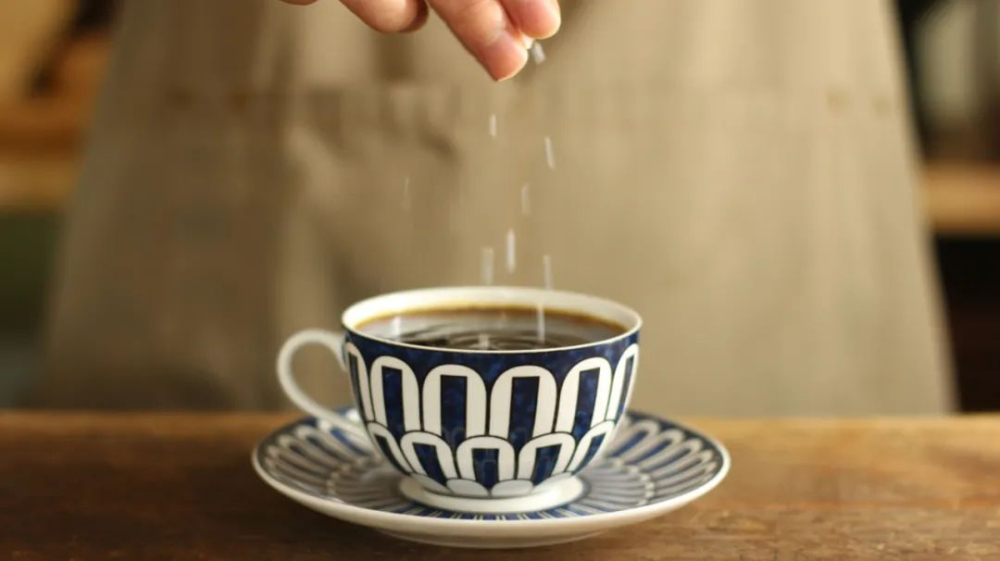
In comparison, the coffee with just 0.01g of salt added saw a slight reduction in bitterness but still retained a noticeable sharpness, and the overall balance wasn’t ideal. When the salt amount increased to 0.03g, the effect was the opposite—the bitterness was almost completely masked, but it was replaced by an overly prominent saltiness that shifted the coffee’s flavor focus, making the overall experience feel unnatural and unbalanced.
This shows that salt can indeed regulate the bitter components in coffee to some extent, but the effect is closely related to the amount added.0.02g is a key value proven effective through testing, improving the drinking experience without introducing new problems. However, this method isn’t a cure-all but is more suitable for “rescuing” coffee that has turned out bitter due to poor extraction or flavor imbalance.

If the coffee you brew already has rich aroma, balanced acidity and sweetness, and no obvious negative flavors, then adding extra salt may instead disrupt the original delicate balance, even introducing an unnecessary salty layer that makes the coffee taste artificial and unnatural. Therefore, whether to use salt as a flavor adjuster should depend on the actual performance of the coffee, rather than becoming a habitual action.
This method of fine-tuning flavor with salt is actually similar in concept to the “bypass” technique in coffee blending, both aiming to salvage coffee that has issues. Bypass refers to diverting part of the water during extraction to adjust the concentration ratio of the espresso, avoiding over-extraction. Adding salt, on the other hand, is a final balancing act at the point of consumption, adjusting through taste. Both are “remedial” approaches, not choices for enhancing already perfect coffee.
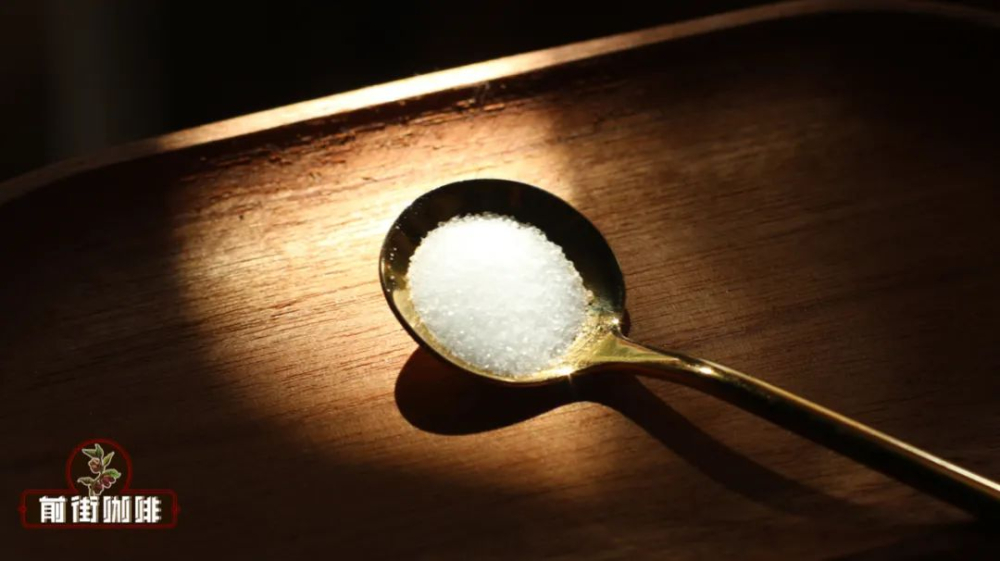
The Mandheling coffee used in the experiment is known for its intense earthy and herbal characteristics, often accompanied by noticeable bitterness and high body. For this reason, it’s particularly suitable as a subject for testing bitterness adjustment. When you try the same method on other coffees with milder or already balanced flavors, the effect may not be as expected and could even amplify any disharmony.
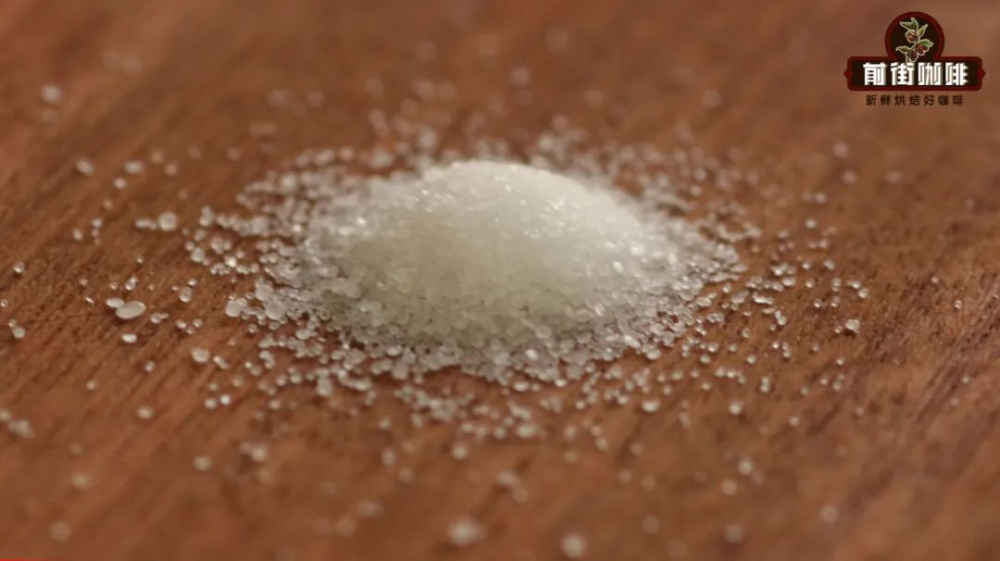
Additionally, when trying this at home, it’s recommended to use precise weighing tools to control the amount of salt, as even a difference of 0.01g can affect taste. Be especially careful when using fine seasoning spoons to avoid hand-feel errors causing inaccurate results. It’s also advised to start with very small amounts and gradually find your personal taste preference.
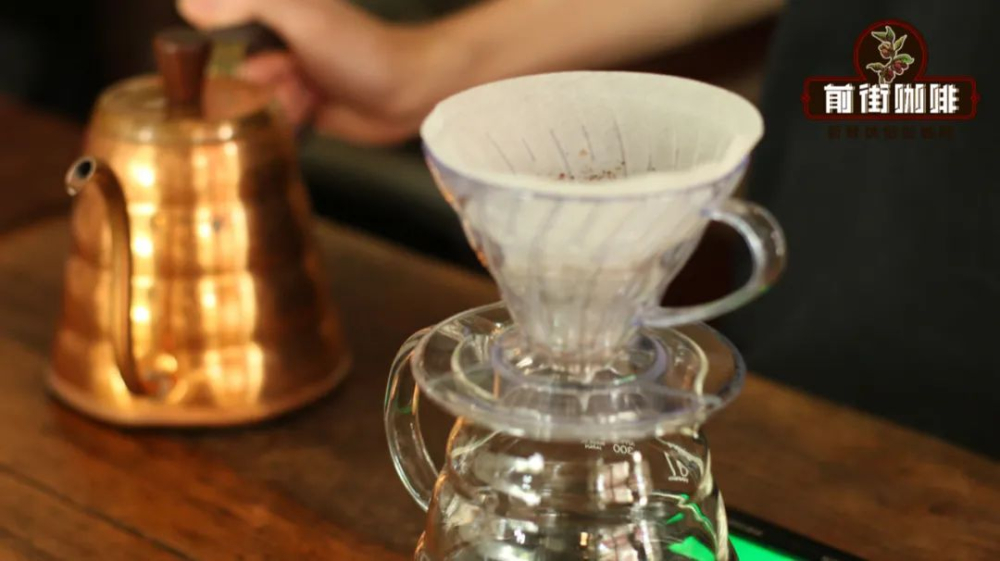
In summary, the bitterness in coffee isn’t entirely unadjustable. With the right amount of salt, it’s possible to make a slightly poorly extracted cup easier to drink. However, this method has its limitations and prerequisites. Ideally, the best approach is still to start with fundamental parameters like grind size, water temperature, and extraction time to brew a cup of coffee that’s inherently well-balanced in flavor.

The above content is compiled by CoffeeHunters, a coffee news website.


