







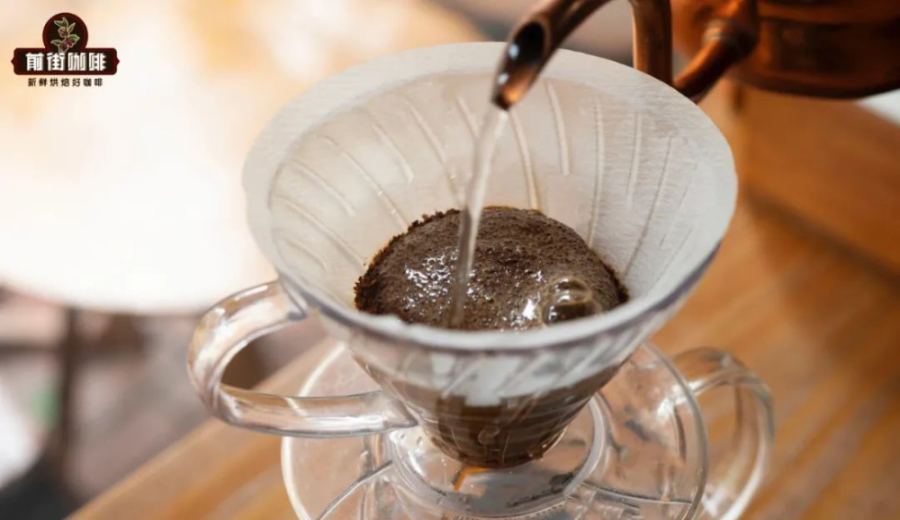
Introduction:Is your pour over of dark roast coffee tasting too watery and lacking in layers? This is actually closely related to the coffee-to-water ratio, pouring technique, and filter choice. This article delves into four key factors and teaches you how to make practical adjustments to bring out a richer, fuller mouthfeel from dark roasted coffee. Whether you're a beginner or an advanced brewer, you’ll benefit from it.
Many pour over enthusiasts often encounter a common issue when brewing dark roast beans: the resulting coffee tastes overly clean—some might even say watery—and lacks the body and complexity it should have. This sensation, known as "body" or "mouthfeel," is a crucial indicator of how substantial a coffee feels in the mouth, and it’s closely tied to the coffee’s concentration—higher concentration leads to a naturally more solid feel. Dark roast beans, due to their inherently looser structure, should theoretically release more intense flavors more easily. However, if brewing parameters aren’t well controlled, the coffee can end up tasting thin and weak.
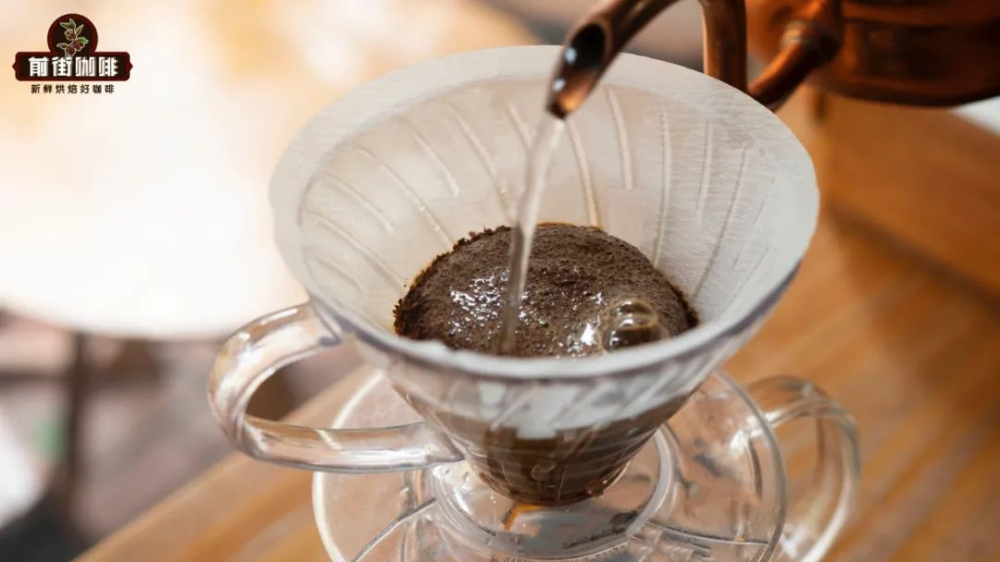
In simple terms, body refers to the weight and substance that coffee leaves in your mouth—it could be rich and smooth, or thin like water. This characteristic is directly related to the amount of soluble substances released during extraction. The nature of dark roast beans is that their internal structure is more loosely packed, making it easier for aromatic compounds to be released. However, if variables like pouring and grind size are not properly managed, it can lead to the extraction of too many impurities, resulting in poor taste. To improve this, we must focus on four key elements: coffee-to-water ratio, brew time, filter choice, and pouring technique, and gradually adjust to achieve a richer drinking experience.
In traditional roasting concepts, darker roasts were often chosen to deliver a rich, full-bodied coffee feel and to mask some of the off-flavors present in raw beans. However, with the rise of specialty coffee, more consumers are now seeking the native flavors of beans from different regions—such as bright acidity and fresh floral notes—making light to medium roasts increasingly popular. That said, dark roasts still offer irreplaceable body and depth of aroma, especially in chocolatey, spicy, and woody profiles. When choosing roast level, it’s important to decide based on personal taste preference and the flavor profile you wish to highlight.
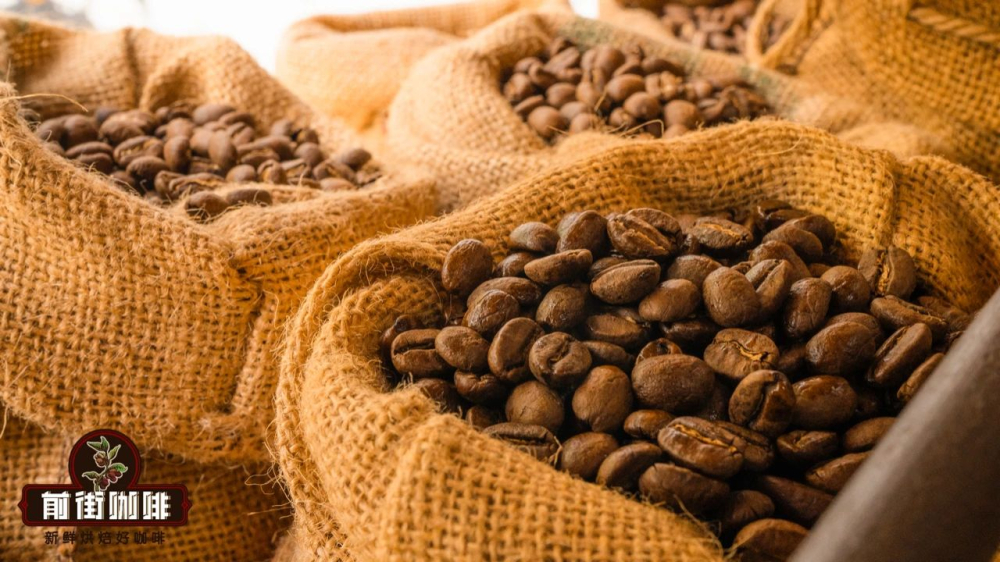
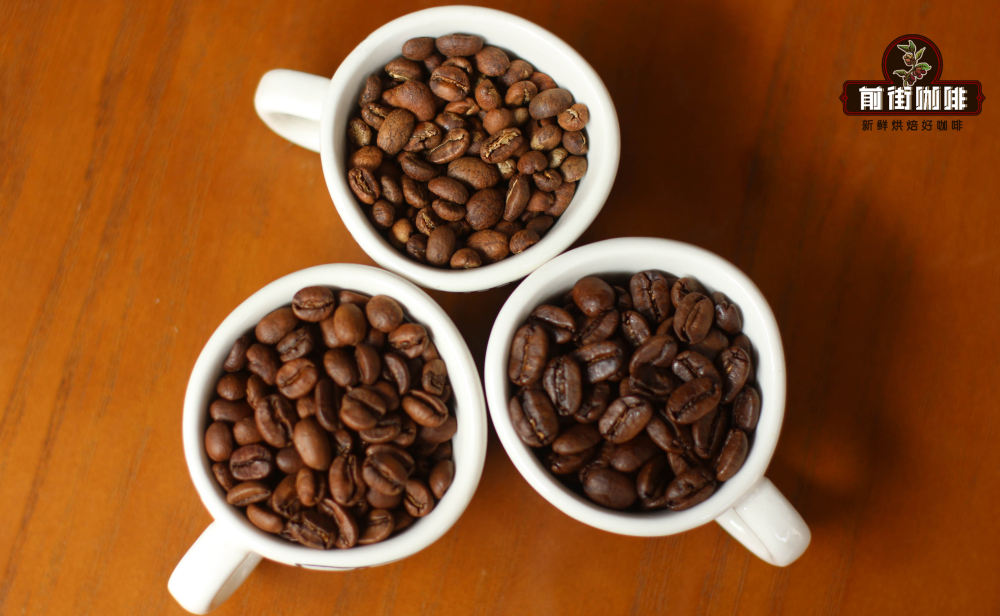
Commercially available coffee beans can generally be divided into three categories based on roast level: light roast, medium roast, and dark roast. Light roast beans feature bright, vibrant flavors with lively acidity, such as washed Yirgacheffe, which often exhibits distinct citrus and floral notes. Medium roast highlights nutty and caramel-like characteristics, like the malt and dark chocolate aromas commonly found in Brazilian beans. As for dark roast, it’s renowned for its low acidity and rich chocolate base, accompanied by spicy, woody, and even smoky flavors, serving as the foundation for many classic espresso blends.
1. Coffee-to-Water Ratio
The coffee-to-water ratio is fundamental to affecting both coffee concentration and mouthfeel. Common pour over ratios range between 1:15 and 1:17. If you find that your dark roast coffee tastes thin, try adjusting the ratio to 1:14 or lower—that is, using slightly less water per gram of coffee—to increase overall concentration and thereby enhance the sense of body. But be cautious: overly high concentration may also lead to over-extraction, resulting in bitterness. It’s recommended to make gradual adjustments and record each brew’s parameters.
2. Brew Time
Brew time also affects the completeness of extraction. Dark roast beans usually don’t require very long extraction times, and it’s recommended to keep it between 2:30 and 3:00 minutes. If the brew time is too long, it can easily lead to over-extraction, causing the already loose structure of dark roast beans to release too many impurities, thus diluting the desired body. Maintaining a stable flow rate and appropriate pouring rhythm can effectively control the overall brew time.
3. Filter Choice
Because dark roast coffee beans have a relatively loose texture and high extraction efficiency, using a filter with too fast a water flow rate (like the V60) can result in under-extraction, making the coffee taste thin. In this case, it’s recommended to use a filter like the Kalita Wave, which has a flat bottom and slower water drainage, as it extends the contact time between water and coffee grounds, helping to more fully extract the desirable qualities of dark roast beans while maintaining appropriate body. In addition, attention should be paid to the use of filter paper—choosing unbleached natural filter paper can reduce unwanted odors and ensure a purer coffee flavor.
4. Pouring Technique
The pouring technique significantly affects the evenness of extraction and the resulting mouthfeel. It’s recommended to use a multi-pour method—for example, wetting the coffee grounds first and letting them bloom for 30 seconds, then proceeding with center pours and spiral pours. This helps evenly distribute the contact between hot water and coffee grounds. Keeping a stable flow rate and pouring height, and avoiding overly aggressive pouring actions, not only reduces channeling but also allows the full extraction of the rich compounds in dark roast beans. At the same time, pay attention to the coordination of total pour volume and time, ensuring that neither too fast nor too slow speeds negatively impact the final flavor.
The above content is compiled by CoffeeHunters, a coffee news website.


