







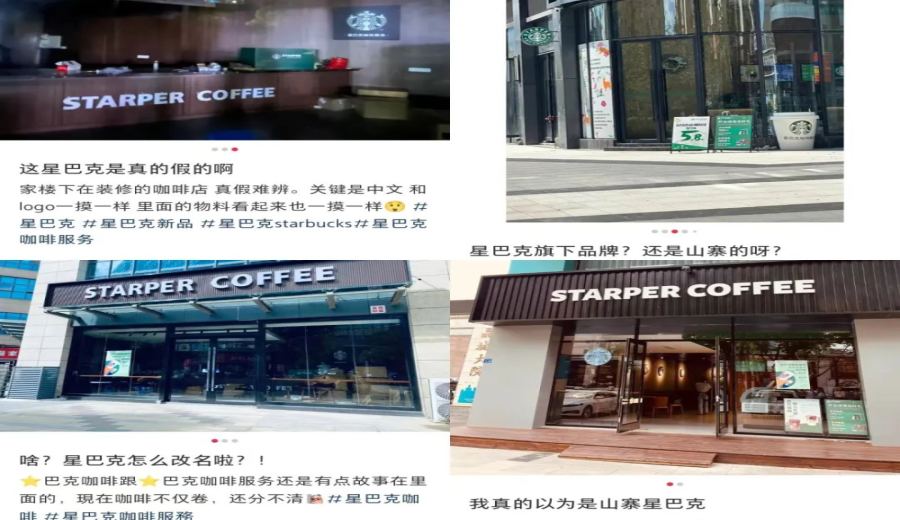
Introduction:Recently, multiple "fake Starbucks" stores with décor extremely similar to that of Starbucks have appeared on the market, even using a similar green mermaid logo and nearly identical menus, causing confusion among consumers. Are these stores in any way affiliated with Nestlé or Starbucks officially? Nestlé has officially responded, emphasizing that it has not authorized them and has referred the case to its legal department. This article will delve into the truth behind these counterfeit stores, as well as the official authorization model and limitations of Starbucks Coffee Service.
As Starbucks continues to expand into third- and fourth-tier cities in China, many customers are pleasantly surprised to find the first Starbucks store in their hometowns. However, recently, many netizens have shared on social media platforms that they’ve discovered "fake" stores in their vicinity with décor almost identical to Starbucks — not only are the interior setups and green mermaid logos similar, but the menus and pricing strategies are alike too, with the only difference being that the store sign reads "STARPER COFFEE".
Due to their striking resemblance, many people find it hard to tell them apart at a glance, unsure whether this is a strategic adjustment by Starbucks or if they’ve accidentally walked into a "fake store". Especially since these stores are mostly located on busy streets, which is clearly different from the usual positioning of Starbucks Coffee Service (We Proudly Serve Starbucks), commonly found in hotels, airports, or office buildings — enclosed venues.
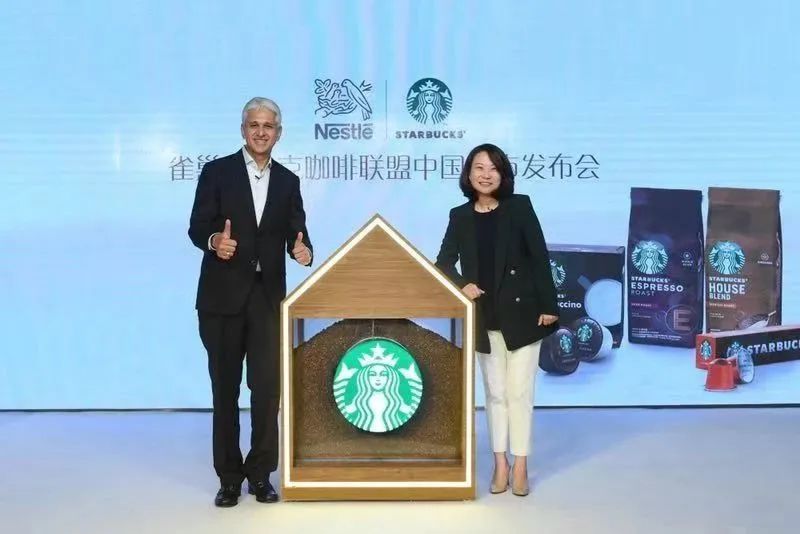
Some netizens speculate that these stores might be licensed franchises of Starbucks Coffee Service under Nestlé, but that is not the case. In 2018, Nestlé acquired Starbucks’ retail coffee business for $7.15 billion, obtaining a global permanent marketing license to sell Starbucks-branded packaged products in non-Starbucks stores. However, Starbucks Coffee Service has strict regulations: it can only use the name "Starbucks Coffee Service", and is limited to offering medium-sized cups and nine classic coffee beverages. It cannot sell Frappuccinos, Starbucks Cards, merchandise, nor support delivery services.
In addition, Starbucks Coffee Service stores can only be established in enclosed spaces with proper food and beverage licenses, such as hotels, airport terminals, libraries, office buildings, and private hospitals — definitely not regular street-front shops. The exposed "STARPER COFFEE" stores not only have conspicuous locations, but have also renamed Frappuccinos as "Xing Bing Bing" for sale, clearly violating the regulations of officially licensed stores.
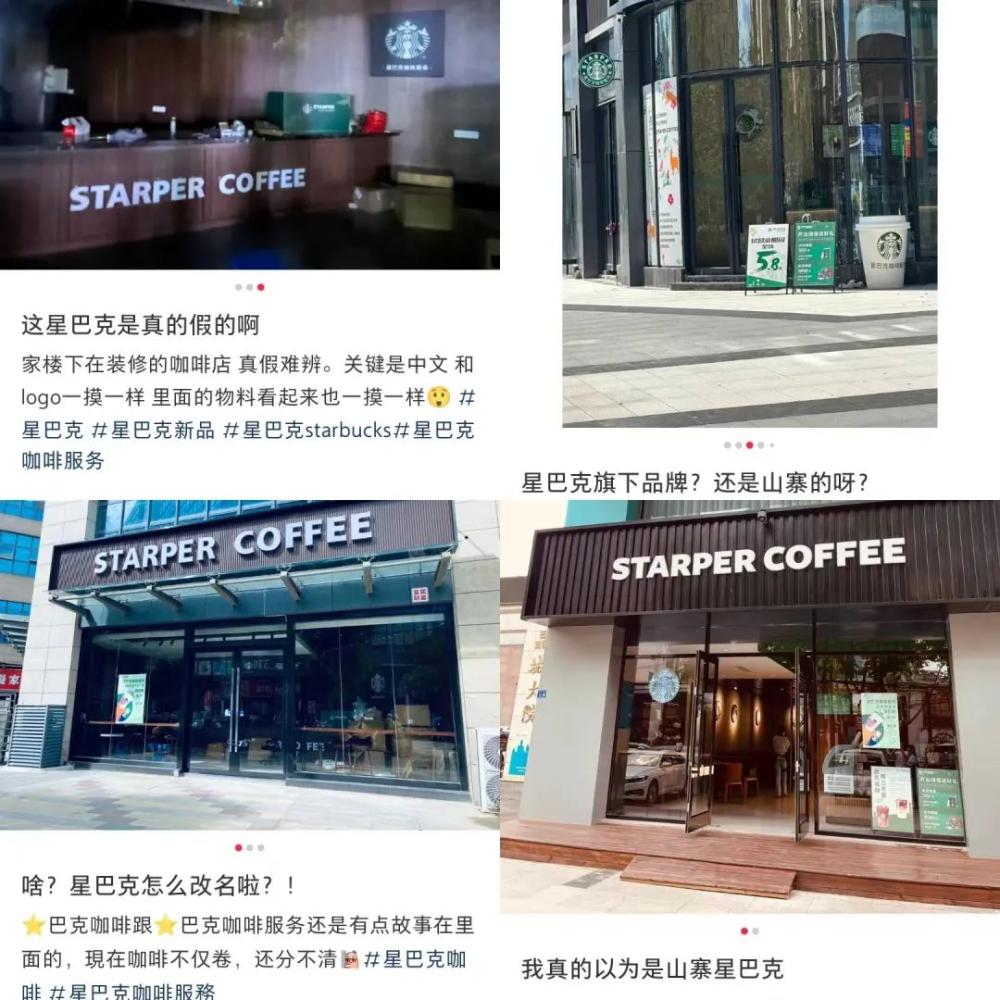
Faced with public skepticism about whether these stores are authorized by Nestlé, netizens dug deeper and found that the trademark registration application for "STARPER" came from a fast-franchising company in Shanghai called "Katarr Supply Chain". The trademark was applied for in early June this year and is still under review. It is neither owned by Starbucks nor authorized or managed by Nestlé.
In response to this situation, Nestlé’s customer service in Greater China replied that Katarr Supply Chain (Shanghai) Co., Ltd. has no contractual relationship with Nestlé or any of its authorized distributors. Regarding the trademark infringement by this company, Nestlé has referred the case to Starbucks China’s intellectual property team, which is also seeking assistance from government departments to combat this infringement.
In addition to these openly operating "fake Starbucks", some consumers have also discovered similar "fake Starbucks" in scenic areas. After contacting the person in charge of Starbucks Coffee Service, it was confirmed that this store is also not an officially authorized franchise. It has now been handed over to the legal department, and future legal actions will be taken based on the results of the investigation. This shows that such cases of imitation franchises are not isolated incidents. Consumers should pay more attention to brand logos and store locations when choosing coffee shops to avoid mistakenly patronizing counterfeit establishments.
In summary, although there are increasingly more stores on the market that resemble Starbucks, consumers should recognize the official authorization model and the limitations on store locations to avoid being deceived by appearances. Nestlé and Starbucks have made it clear that they have not authorized such stores and have actively taken legal action to protect their brand rights. The market order is expected to gradually return to normal in the future.
The above content is compiled by CoffeeHunters, a coffee news website.


