








Introduction:Did you know? Before the 18th century in Europe, people didn’t simply pick up their cups to drink coffee. Instead, they would first pour the steaming hot coffee into the saucer to cool it down, then sip it in a way similar to modern cupping. This was not just a lifestyle habit, but also a piece of history faithfully recorded in artworks. This article will take you through the evolution of early European coffee culture — from the introduction of coffee to the Netherlands, to the invention of the handled porcelain cup in Germany, as well as the coffee stories behind still life and portrait paintings.
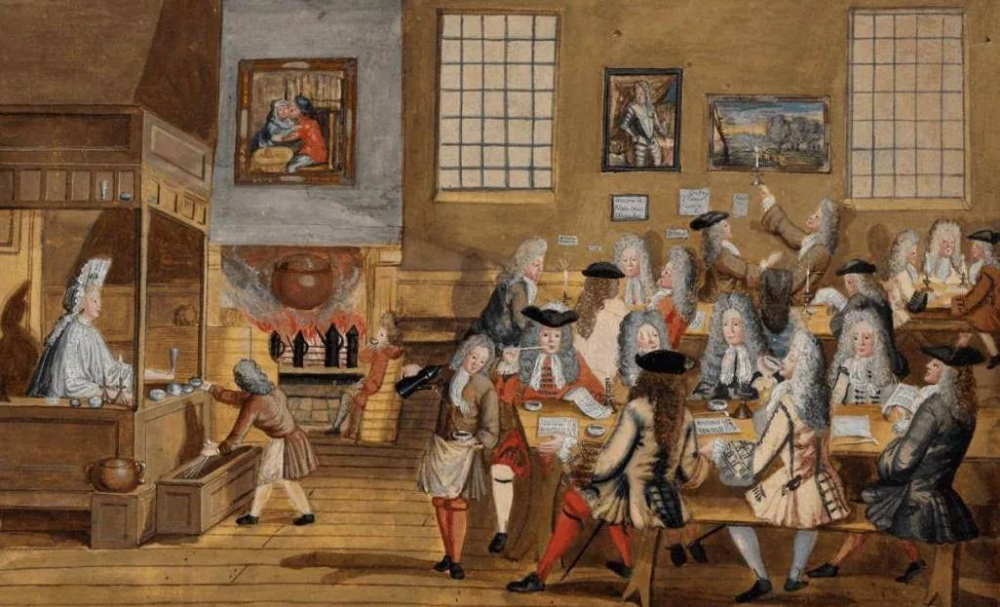
The coffee cups and saucers we use today mostly serve as coasters or decorative items. But in Europe before the 18th century, the saucer was an indispensable “star” of the coffee-drinking experience. In 1640, the Dutch brought coffee from the Mocha region of Yemen to their homeland, and soon this beverage spread rapidly across Europe, becoming the new favorite of the upper class. At that time, coffee culture was just emerging, and drinking coffee was not only a way to stay alert, but also a fashionable social activity.
However, Europe had not yet mastered porcelain-making techniques at the time and was still mainly using pottery. Locally produced clay cups were not only thick-walled, but also lacked the refined appearance that the upper class sought in terms of “elegance.” As a result, Europeans had to rely on finely crafted porcelain cups imported from China to showcase taste and status. While these ceramics from the East were undeniably beautiful, they had one major issue — no handles.

Since the imported Chinese porcelain cups lacked heat-resistant handles, and the cup bodies were extremely thin with good thermal conductivity, freshly brewed coffee was scalding hot, making it too hot to hold directly — and even risking dropping and breaking the cup. Interestingly, because these imported cups had no handles, Europeans at the time did not call them “cups,” but rather “bowls (bowl).” To solve the problem of burning hands, people developed the method of first pouring hot coffee into the saucer to cool it, and then sipping it at a drinkable temperature in a manner similar to today’s cupping technique.
This habit of “drinking coffee from the saucer” continued until the mid-18th century. With the Germans successfully developing porcelain production techniques, Europe began producing exquisite porcelain cups with heat-resistant handles. The upper class gradually switched to these more practical and aesthetically pleasing cups, and the practice of cooling coffee in saucers slowly faded from the mainstream.
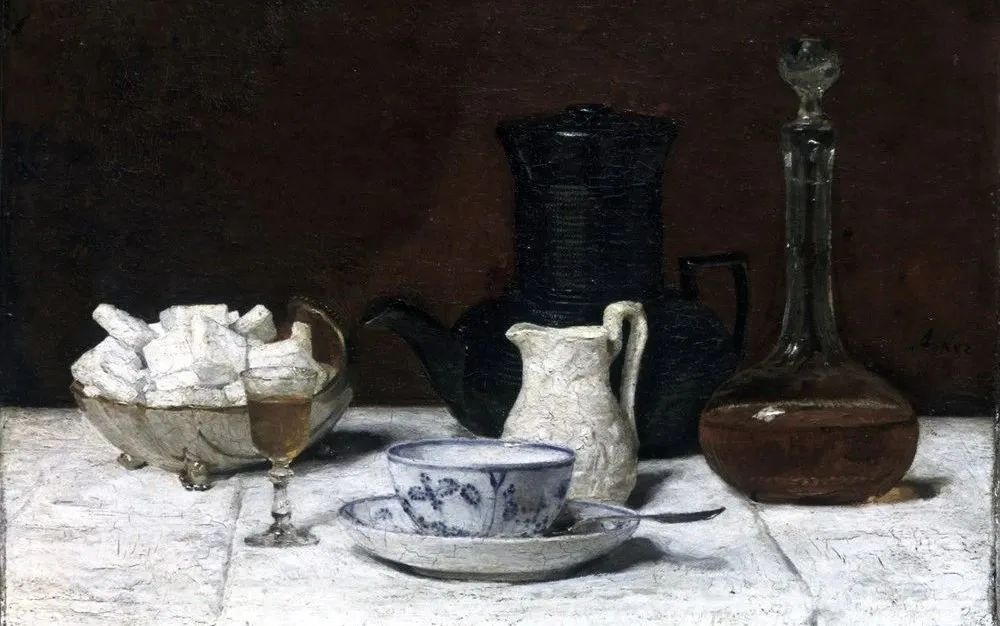
This unique chapter in coffee culture history has also been captured and preserved by many artists in their paintings. Through still life and portrait works, we can catch a glimpse of how people enjoyed coffee at the time, and the role cup and saucer played in their lives.
For example, in the 1774 painting The Woman Taking Coffee by artist Louis Marin Bonnet, the action of a woman pouring coffee into the saucer to cool it is clearly depicted, showcasing the daily scene of the period. Similarly, in the work Spring Detail by German court painter Peter Jacob Horemans, there is also a recording of a noblewoman pouring hot coffee into a dish to let it cool.
Fast forward to the 19th century, Finnish artist Anna Sofia Sahlstén’s 1895 work Coffee Granny depicts an elderly woman preparing to sip coffee poured into a saucer. This is not just a piece of artwork, but also reflects how the Nordic regions, influenced by early European coffee culture, still see some locals continuing similar drinking practices to this day.
If you’re curious about this history, you might want to search for related paintings online, where you’ll discover many vivid details. Of course, if you’re inspired to personally try the way 17th-century Europeans drank coffee, it’s advisable to consider the setting, location, and surrounding environment first — so you don’t burn yourself or spill the cup, ruining the nostalgic fun.
The above content is compiled by CoffeeHunters, a coffee news website.


