







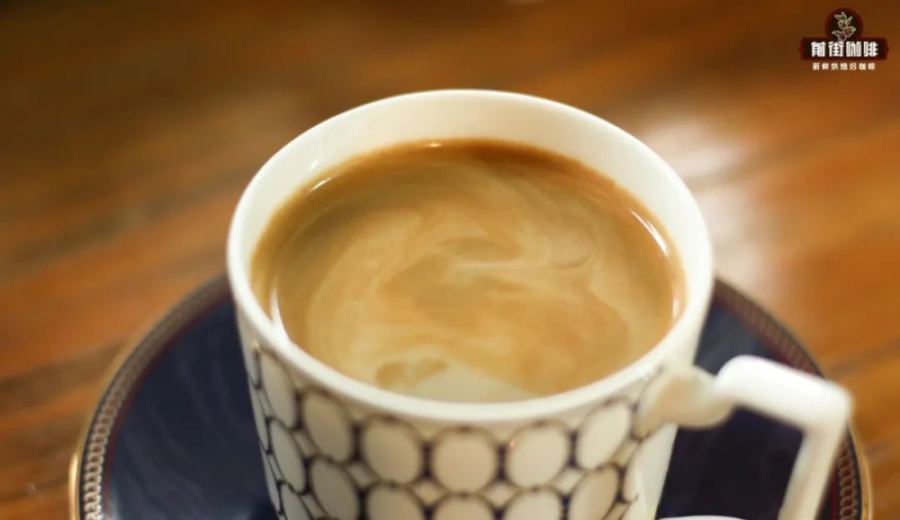
Introduction:Pour over coffee often struggles to retain rich crema, but the key lies in choosing the right filter material. Flannel filters, with their excellent water permeability and low filtration rate, allow the coffee’s oils and fine particles to pass through more effectively, resulting in a smoother and fuller-bodied mouthfeel. This article delves into the characteristics of flannel filters, proper care methods, practical brewing techniques, and provides useful parameters such as coffee-to-water ratio, water temperature, and grind size using a dark roasted Golden Mandheling as an example — helping you brew pour over coffee with an attractive oily layer at home.
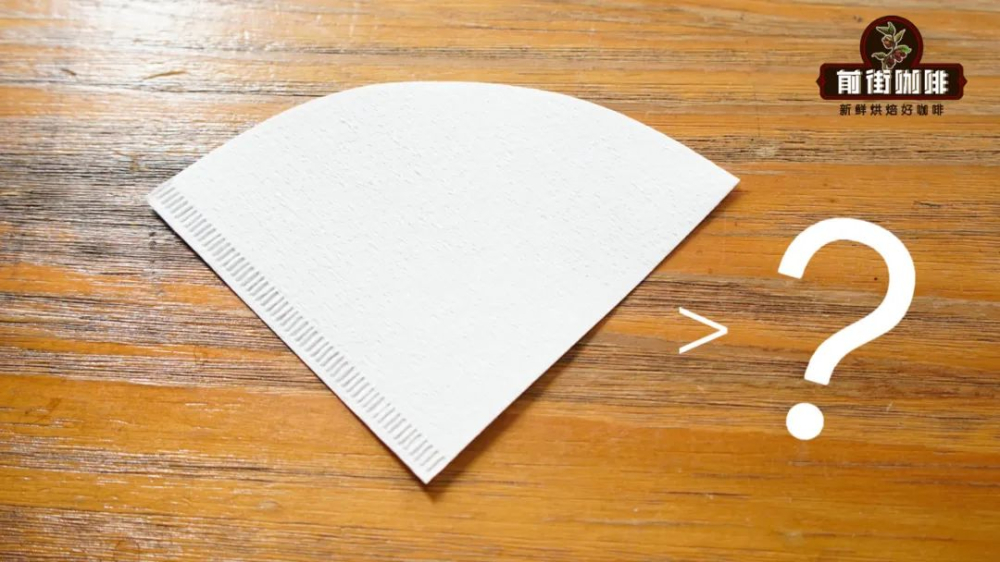
If you want to enjoy a delicate oily layer in your pour over similar to that of an espresso, you might need to say goodbye to your usual paper filters. Traditional paper filters, while effective at removing impurities, also block many oils and gelatinous substances that enhance mouthfeel, resulting in a cleaner but less layered and rich cup. If you’re aiming to extract that memorable coffee crema, switching to a flannel filter is a more suitable choice.
Coffee crema is actually formed by carbon dioxide from the beans encapsulating insoluble substances. These substances contribute to a fuller mouthfeel and longer aftertaste, which are key elements many coffee enthusiasts seek. However, common pour over paper filters also filter out these valuable components. Therefore, if you want to enjoy that oily layer, flannel filters become the ideal alternative.
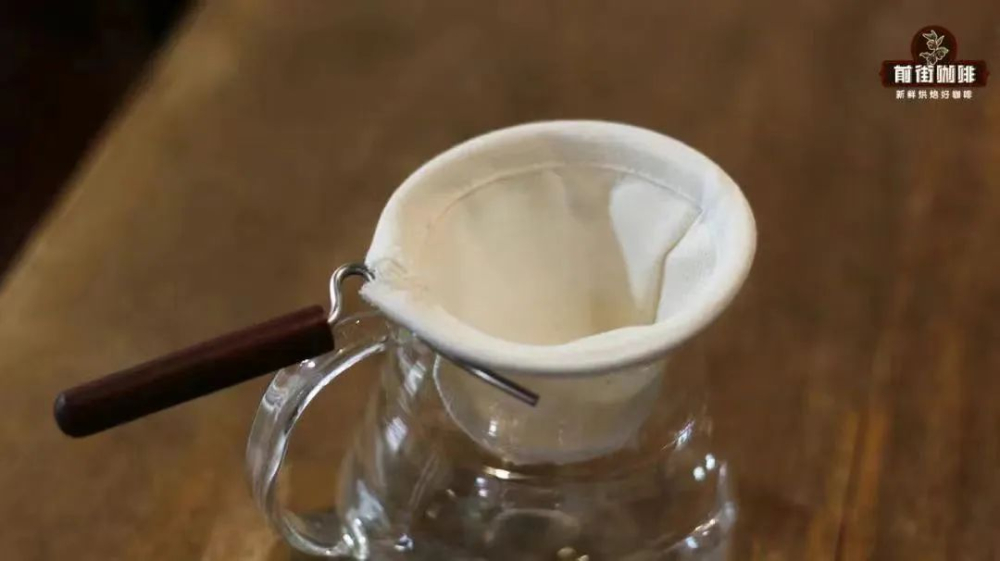
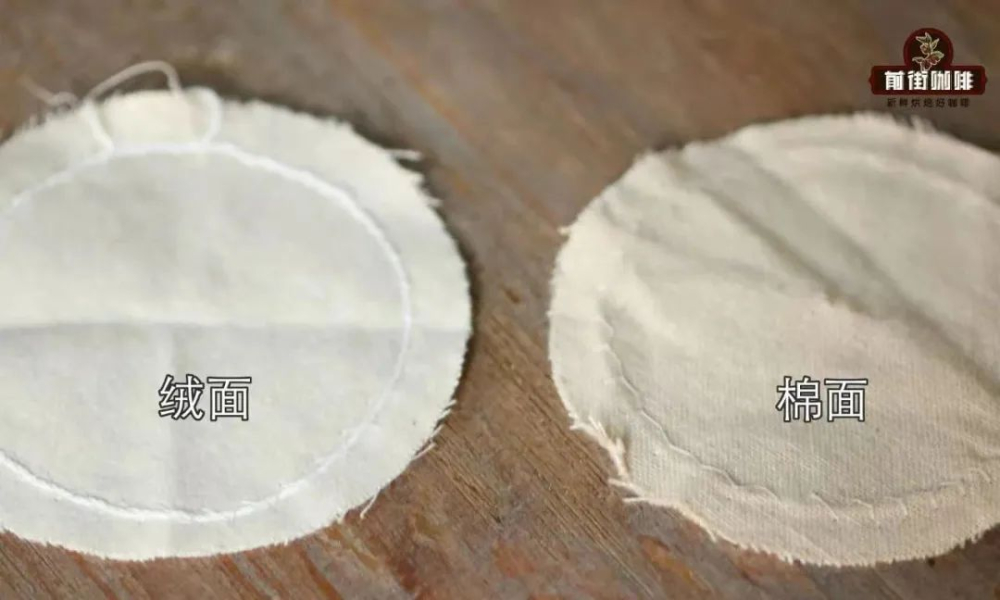
The biggest difference between flannel filters and regular paper filters lies in their material and water permeability. Flannel is a fabric with noticeably distinct textures on both sides: one side is relatively rough cotton, while the other is smooth and delicate fleece. Although both sides can be used to hold coffee grounds, many users prefer the cotton side as the inner layer because the rough texture reduces coffee grounds residue and makes cleaning easier. Conversely, if the fleece side faces inward, it’s more likely to trap fine particles, making cleaning more difficult.
It’s worth mentioning that flannel filters don’t have a definitive front or back — either side can be used for pouring, without significantly affecting the final extraction flavor. However, choosing the cotton side as the side in contact with the coffee grounds helps reduce coffee grounds getting trapped between fibers, aiding in long-term maintenance and cleaning.
Before using a flannel filter for pour over, there’s an important step you must not skip: boiling the filter in water for about five minutes. This not only disinfects the filter but also allows its fibers to fully absorb water, making it more stable during the brewing process and preventing holes or deformation caused by sudden heat or uneven water absorption.
We recommend using 20 grams of dark roasted Golden Mandheling as the sample coffee, with a 1:15 coffee-to-water ratio — that is, 20 grams of coffee grounds to 300 milliliters of water. For grind size, adjust to approximately 70% extraction through a #20 sieve; if you’re using an EK43 grinder, you can refer to a setting of 11. Keep the water temperature at 88°C, which helps balance the dark roast’s baked aroma and acidity while facilitating the release of oils.
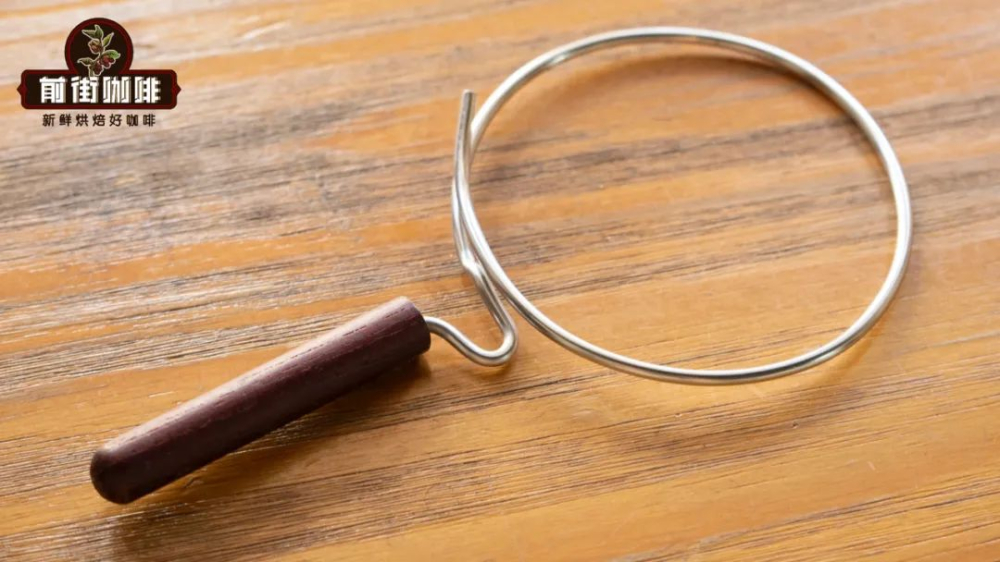
There are two main ways to brew with a flannel filter: holding the filter manually and pouring from the kettle spout, or placing it on a container for brewing. This time we opt for the handheld method, which allows better control over water flow and pouring angle. Since flannel filters lack the fixed structure of a pour over dripper, the entire fabric surface allows coffee liquor to pass through, so the flow rate is noticeably faster than with paper filters. It’s important to note that the higher the water level, the faster the flow becomes. We recommend first wetting the filter and coffee grounds with a small amount of hot water, letting it bloom for about 30 seconds, then slowly pouring in a circular motion from the center to avoid water rapidly flowing to the edges.
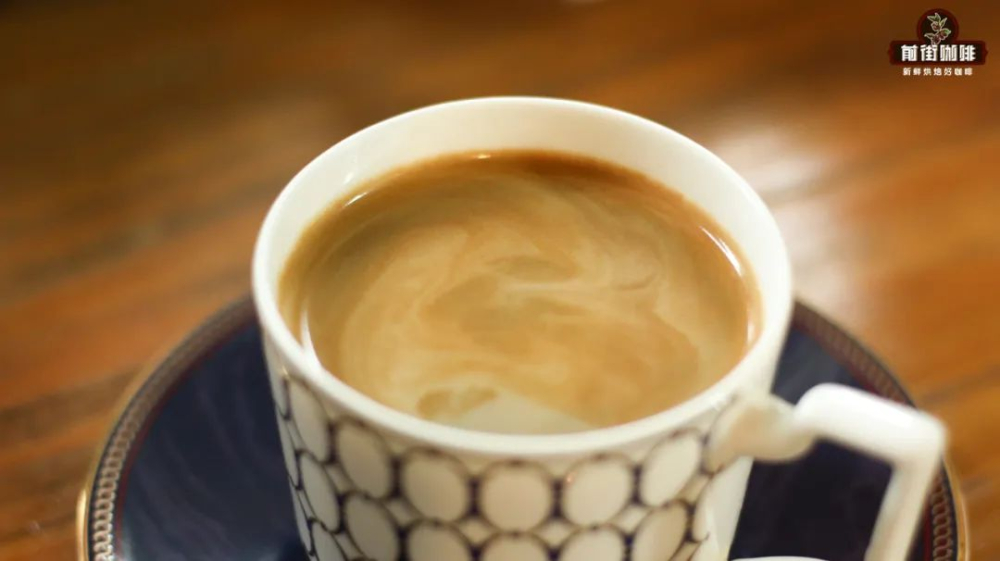
Coffee brewed with a flannel filter often clearly shows a delicate oily layer on the surface — a phenomenon rarely observed when using regular paper filters. In contrast, paper-filtered coffee looks clearer but lacks that glossy sheen and the smooth mouthfeel.
In terms of flavor, coffee brewed with flannel and paper filters shares a similar foundational profile, such as notes of nuts, spices, and chocolate. However, the flannel version tends to taste richer, smoother, and more rounded. That said, in terms of clarity and detail expression, it’s still slightly inferior to paper-filtered coffee. Therefore, choosing a flannel filter is more about pursuing a layered and smooth mouthfeel experience.

Finally, let’s talk about flannel filter maintenance. Because the fibers are prone to mold and absorbing odors, many people simply air dry them after washing — but this practice may actually damage the filter’s structure. The correct storage method is: after each use, thoroughly rinse the filter clean, then soak it in a neutral, sealed container filled with water, and store it in a cool environment (such as a refrigerator) to prevent the fibers from hardening or growing mold once dried. However, before the next use, be sure to re-boil the filter in water to disinfect it to ensure hygiene and extraction quality.
In summary, if you want to experience a smoother and fuller oily mouthfeel in your pour over coffee, a flannel filter is a worthwhile investment. It not only delivers a distinctly different extraction flavor compared to paper filters, but also allows you to better appreciate the subtle layers of coffee. With proper cleaning and storage methods, a flannel filter can definitely become a secret weapon in your pour over toolkit.
The above content is compiled by CoffeeHunters, a coffee news website.


