








Introduction:Pour-over brewing methods are diverse, with each technique influencing the final flavor profile. This article delves into One Pour, Three-Stage, 4-6 Method, Triple Heat, Volcano Pour, and Stirring Method—covering principles, parameter settings, suitable beans, and the extraction logic behind their acidic, sweet, and bitter notes. We also share practical operation tips to help you choose the most suitable brewing method based on your coffee beans' characteristics.
One of the appeals of pour-over coffee lies in its variety of brewing techniques. Beyond the common Three-Stage method, there are also One Pour, 4-6 Method, Triple Heat, Volcano Pour, and Stirring Method, each offering unique flavor expressions and operational focuses. One Pour is simple and stable, ideal for those who prefer a clean taste; Three-Stage highlights the acidity, sweetness, and bitterness of coffee in distinct layers; 4-6 Method reduces error rates with formulaic operations; Triple Heat enhances flavor features through variable-temperature extraction; Volcano Pour delivers stunning visuals and suits dark roasts; Stirring Method, though technically challenging, allows precise control over extraction efficiency. This article will break down the operational logic, key parameters, and practical advice for these techniques.
First, let’s introduce One Pour, which differs from the common Single Pour. Single Pour involves pouring all the water at once, whereas One Pour is divided into two stages: first, a small amount of water is used for blooming (e.g., 30ml for 15g of coffee grounds), followed by a single pour of the remaining water (195ml), with a total extraction time of about 2 minutes. The name comes from Japanese swordsmanship schools, as the segmented pouring resembles a “single cut.” Its advantage lies in intuitive operation, effectively avoiding excessive release of impurities in the later stages, making it suitable for drinkers who prefer a refreshing flavor.
The Three-Stage method is widely used by many professional shops, with its core being segmented control of the extraction process. For example, with 15g of coffee and 225ml of water, start with 30ml for blooming, then pour the main water in two parts (e.g., 95ml and 100ml). By agitating the coffee bed through multiple pours, acids, sweetness, and bitter compounds are gradually released, extending the total extraction time to enhance layering. This method is particularly suited for medium-light roasts, clearly showcasing fruity and floral notes while accommodating flavor characteristics from different regions.
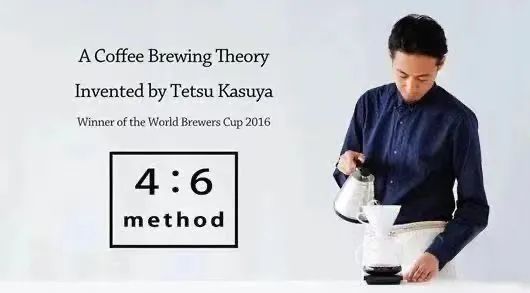
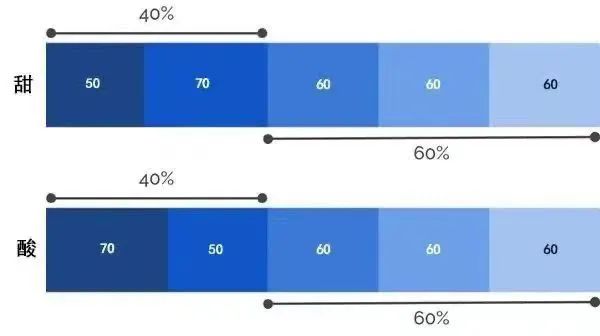
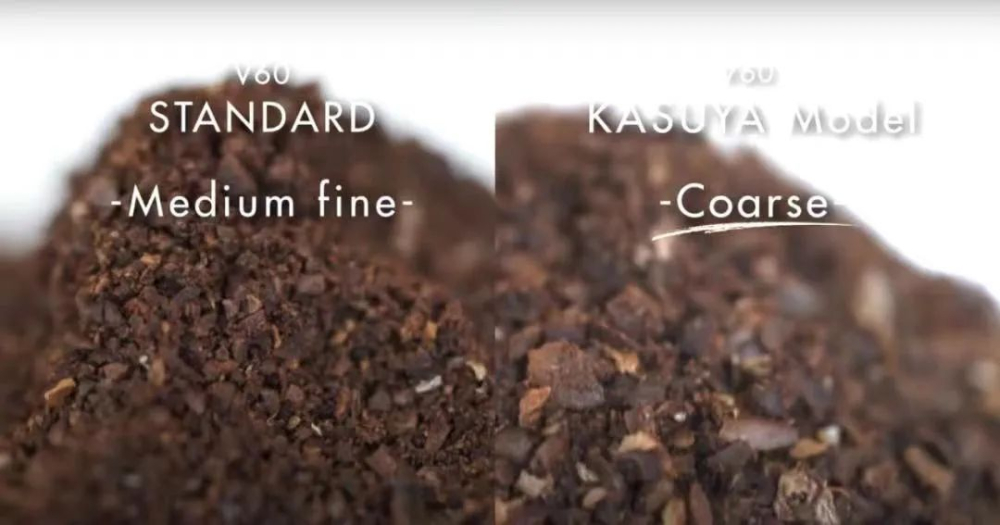
The 4-6 Method, developed by Japanese barista Tetsu Kasuya, emphasizes “formulaic and beginner-friendly” brewing. Its principle divides the total water volume into 40% (first two pours) and 60% (last three pours): the first 40% determines the acid-sweet balance, while the last 60% affects body. For 20g of coffee and 300ml of water, it uses five pours (60ml each, spaced 45 seconds apart), requiring a coarser grind (e.g., 50% passing through a #20 sieve) to avoid over-extraction. A common issue is prolonged extraction due to overly fine grinding; adjust grind size based on actual flavor to ensure a refreshing yet full-bodied taste.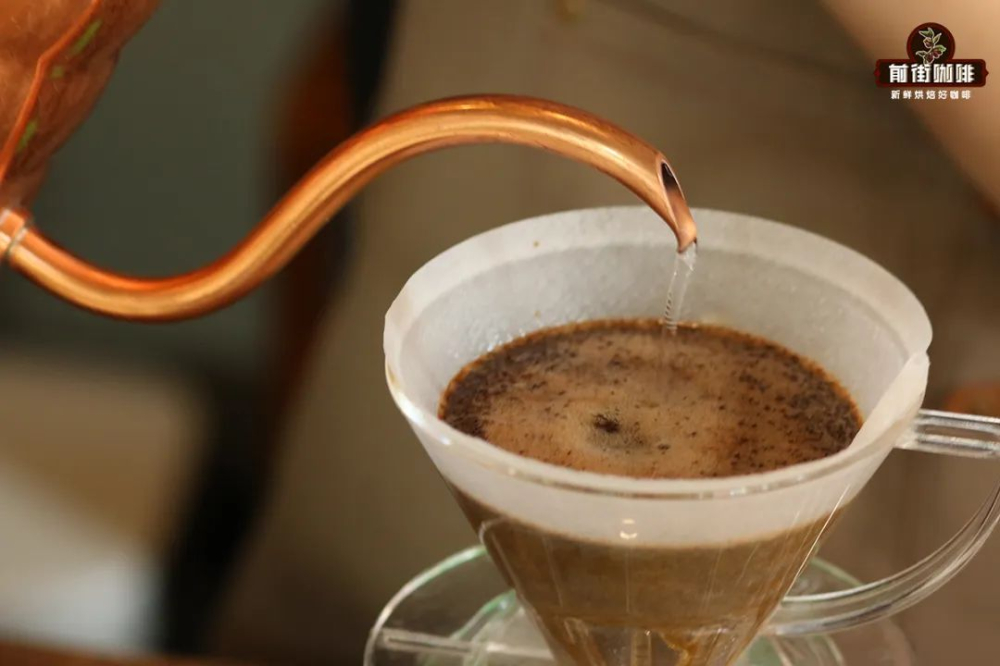
Triple Heat is a representative of variable-temperature extraction, designed by Wu Zelin. For example, with 16g of coffee and 240ml of water, pour in four stages (40+60+60+40ml). The first two stages use high temperature (94°C) to extract vibrant flavor compounds, the third stage lowers to 90°C to maintain balance, and the final stage uses low temperature (80°C) to prevent excessive bitterness. This method requires repeated testing to find the optimal temperature combination, but once mastered, it significantly enhances flavor clarity—especially effective for highlighting citrus or caramel-themed notes.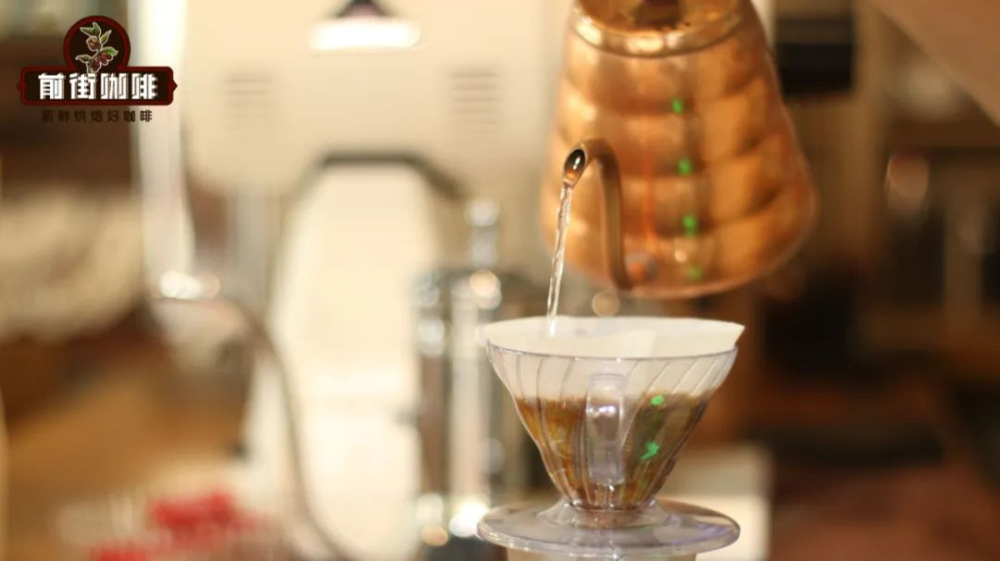
Volcano Pour originates from Japan, characterized by the coffee bed swelling upward like a volcano during pouring. It pairs exceptionally well with fan-shaped filters and dark roasts. Using 30g of coffee and 300ml of water (1:10 ratio), start with a 30-second bloom using about 60ml of water (twice the coffee weight), then slowly and repeatedly pour small amounts of water at the center. The carbon dioxide pushes up to form a dome. This technique is visually striking and reduces bitterness, but requires careful control of coffee amount and pouring pressure to avoid dispersing the coffee bed. Ideal for dark roast lovers who enjoy pronounced sweetness and a smooth mouthfeel.
The Stirring Method, promoted by World Barista Champion Matt Perger, focuses on activating the coffee bed during blooming. A common approach is to stir the coffee grounds in all directions (up-down-left-right) using a tool (e.g., a stick) to promote even water penetration. However, this method carries higher risks: stirring may cause fine particles to settle at the bottom of the filter, leading to clogging, and individual technique varies greatly. Long-term practice is needed to master the force and range. Beginners are advised to first familiarize themselves with basic techniques, then adjust stirring intensity based on bean density to avoid over-extraction.
In summary, various pour-over techniques are designed around the release sequence of acidity, sweetness, and bitterness. Once you understand these principles, you can choose the right method based on the roast level and origin characteristics of your coffee—for example, Three-Stage for medium-light roasts to highlight layering, or Volcano Pour for dark roasts to enhance sweetness. In practice, start with the Three-Stage method, gradually try others, and record parameters and flavor changes each time to ultimately find your own brewing balance.
The above content is compiled by CoffeeHunters, a coffee news website.


