







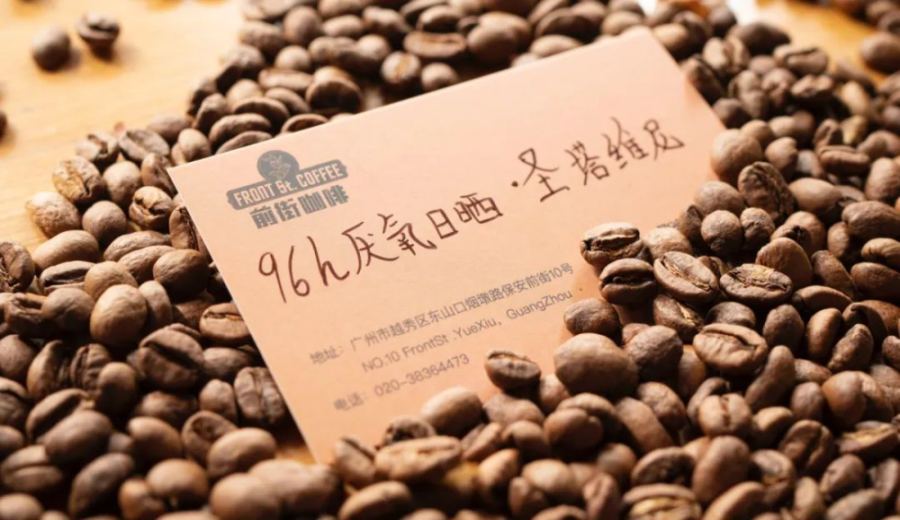
Introduction:An in-depth look at the 74158 variety coffee beans from the Santa Vini washing station in Ethiopia’s Sidamo region. These G1-grade specialty beans, harvested entirely from ripe red cherries and processed using a 96-hour anaerobic natural method, are grown at an altitude of around 2050 meters and exhibit unique fruity notes and wine-like undertones. This article covers everything from the growing region and processing method to brewing recommendations, helping you understand the flavor profile and brewing essentials of this highly sought-after coffee.
Among Ethiopia’s many specialty coffee regions, Sidamo stands out with its diverse microclimates and high-altitude environment, long regarded as a prime source of quality beans by coffee enthusiasts. Within this region, the DWD Santa Vini washing station has recently gained attention for its experimental processing methods. Its coffee beans, made from the 74158 variety, harvested exclusively from ripe red cherries, and processed via a 96-hour anaerobic natural method, have become a favorite among many pour over enthusiasts.
These Sidamo Santa Vini 74158 coffee beans not only hold the local G1 top-grade certification but also grow slowly at an altitude of approximately 2050 meters. This results in denser bean structure and richer internal compounds, laying a solid foundation for subsequent processing and flavor development. From planting to harvesting, only coffee cherries at peak ripeness are meticulously selected to ensure each bean boasts maximum flavor potential.
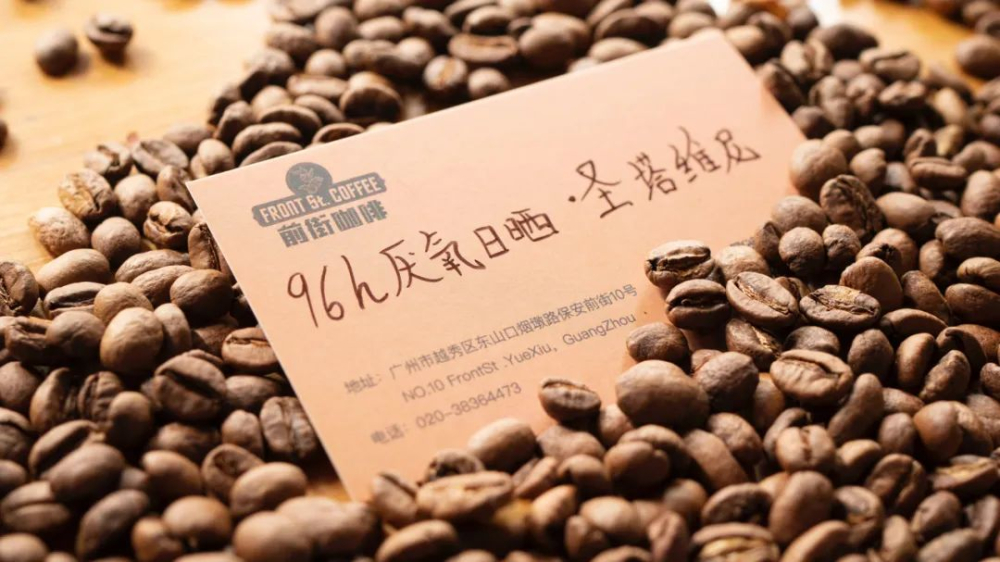
In terms of processing, this particular batch is harvested using the “fully red cherry” standard—only fully red, mature cherries are picked to avoid any unripe ones that could compromise the overall flavor purity. Next comes the distinctive 96-hour anaerobic natural process: the whole coffee cherries (with their husks intact) are placed in sealed containers and undergo prolonged anaerobic fermentation under controlled temperature and humidity. This process encourages interaction between the natural sugars in the fruit pulp and microorganisms such as yeast and lactic acid bacteria, resulting in more intense sweetness and complex aromas. Finally, sun drying is used to preserve the rich flavor compounds generated during fermentation.
The resulting cup profile is remarkably vibrant:A bright citrus noteemerges right at the first sip, quickly followed by sweet tropical fruit flavors such asthe rich, juicy taste of pineappleandthe refreshing slight acidity of guava.These layers are distinct yet flow seamlessly into one another. The mid-to-late stages reveal a rounded, sweet base, while the finish lingers with a wine-like aftertaste and a subtle, delicate tannic astringency. Overall, the flavor profile is vivid and leaves a long, satisfying finish.
For home brewers looking to try these beans, it is recommended to use a pour over setup suitable for medium-light roasts (such as a V60 or Kono filter), with a medium-fine grind size (similar to that of fine sugar). Water temperature should be kept between 90–92°C. A step brewing approach can be employed—for example, start with a 30-second bloom using 30 grams of water, then pour in the remaining water (about 240 ml total) in two to three additions. Aim for a total brew time of around 2 minutes and 30 seconds to 3 minutes. This helps fully highlight the balance between fruity aroma and sweetness.
In summary, the Sidamo Santa Vini 74158 coffee beans, thanks to their unique processing method and high-altitude cultivation, deliver a highly distinctive tropical fruit flavor paired with a wine-like finish. Whether you’re a beginner eager to explore fresh flavor experiences or an experienced specialty coffee enthusiast, this is a high-quality option definitely worth trying.
The above content is compiled by CoffeeHunters, a coffee news website.


