








Introduction:Many beginners, after purchasing a moka pot, often hear the advice that "a new pot should be boiled empty 2–3 times before use," yet they don’t understand the reason behind it. In fact, this isn’t just a cleaning procedure—it’s also to ensure safety and extraction quality. This article delves into the science behind seasoning a new moka pot, explains why the first three brews shouldn’t be consumed, and provides practical details on water control, grind size settings, and filling the coffee chamber to help you get it right from the start and avoid common mistakes.
Many users who have just bought a moka pot will see a common reminder when referring to tutorial videos or articles: before making coffee with a newly purchased moka pot, it’s recommended to perform 2–3 “dry boils” first, and the coffee liquid produced during these boils is best poured out and not consumed. This recommendation is actually based on considerations for both safety and quality.
First, many people assume that simply boiling a new moka pot with water is enough to season it, but this approach carries hidden risks. Without coffee grounds acting as a barrier, the high-pressure steam and hot water generated by heating the lower chamber can directly impact the upper chamber, causing liquid to splash and potentially even leading to burns in serious cases. Therefore, professionals recommend using an appropriate amount of coffee grounds for actual extraction during the first few uses, rather than simply boiling water alone.

So, why is it not recommended to drink the coffee brewed during these initial uses? The key lies in cleaning. During manufacturing, transportation, and storage, internal components of a new moka pot (such as the coffee chamber, filter plate, channels, etc.) may retain metal shavings, oils, or processing dust. If these impurities enter the coffee liquid during the first extraction, they can not only affect flavor but also raise health concerns. Therefore, the main purpose of brewing coffee during the first few uses is to flush out these potential impurities through cycles of high-pressure hot water. For safety reasons, it’s advised to pour out the coffee liquid from the first three brews and not drink it.
Of course, if you don’t want to waste coffee beans, you can also choose to use dark roasted aged beans that have been stored for a while to season the pot. Because dark roasts are highly roasted, their flavors are relatively stable—so even if the extraction conditions aren’t perfect, it won’t overly affect taste judgment, while still effectively helping clean the interior of the pot. Once you’re sure the pot is thoroughly cleaned, you can switch to your favorite fresh coffee beans and start truly enjoying delicious espresso.
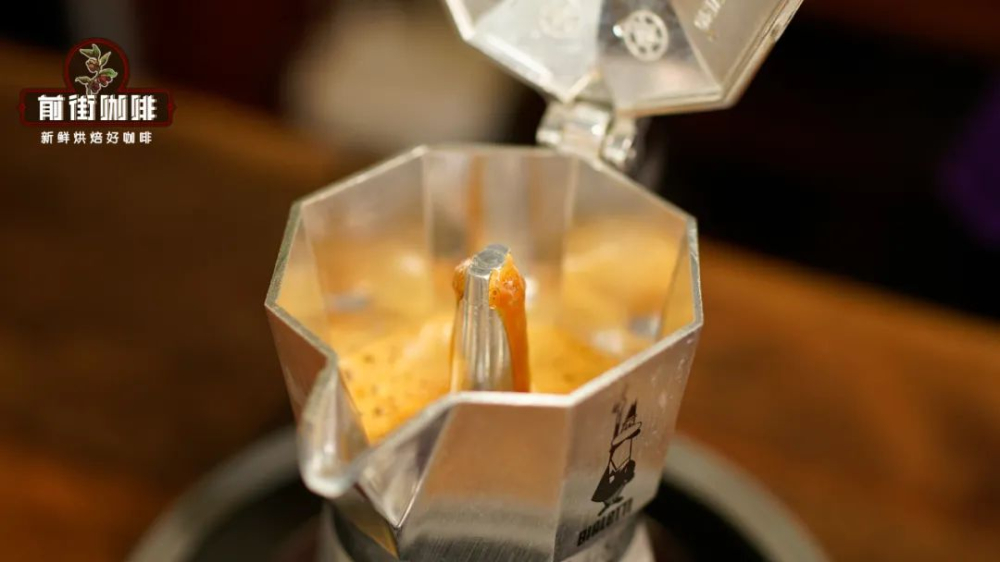
In addition to the seasoning process, there are many other key details to pay attention to when using a moka pot correctly, all of which directly affect extraction results and safety. First, the operating principle of a moka pot is similar to that of a home espresso machine: it heats the water in the lower chamber, turning it into steam and creating pressure that pushes the hot water upward through the middle coffee grounds layer, ultimately forming espresso in the upper chamber. At any point in this entire process—if something goes wrong—for example, the coffee layer is too loose, there’s too much water, or the grind is uneven—it can lead to pressure imbalance, or even splattering or leaking.
Among them,Water control is crucial. It’s recommended that when adding water to the lower chamber, the water level must never exceed the standard mark about 0.5 cm below the pressure relief valve. The function of the pressure relief valve is to release excess steam when the pressure is too high, preventing the pot from bursting due to excessive pressure. If the water level exceeds this line, once the coffee grounds are ground too fine or tamped too firmly, it could prevent the pressure from releasing normally, thereby creating danger.
Additionally,the grind size of the coffee is also a major factor. A grind that’s too coarse will let the water flow too quickly, not only leading to under-extraction but also possibly causing insufficient pressure and splattering of the coffee liquid due to too little resistance; conversely, a grind that’s too fine increases resistance, leading to over-extraction, and the coffee may become burnt and bitter, hard to drink. Generally, it’s recommended to use a medium-fine grind, close to the grind size of espresso, and make fine adjustments according to the actual situation.
The way the coffee chamber is filled also cannot be overlooked. Coffee grounds should be spread evenly and slightly compacted, ideally filling it to a “small mound” shape to ensure a certain degree of density in the coffee layer. If the coffee layer is too thin or unevenly filled, the hot water from the lower chamber, driven by pressure, may pass straight through the coffee layer without sufficient extraction. This not only affects flavor but may also cause abnormal “double spout” splattering in the upper chamber, greatly compromising taste.
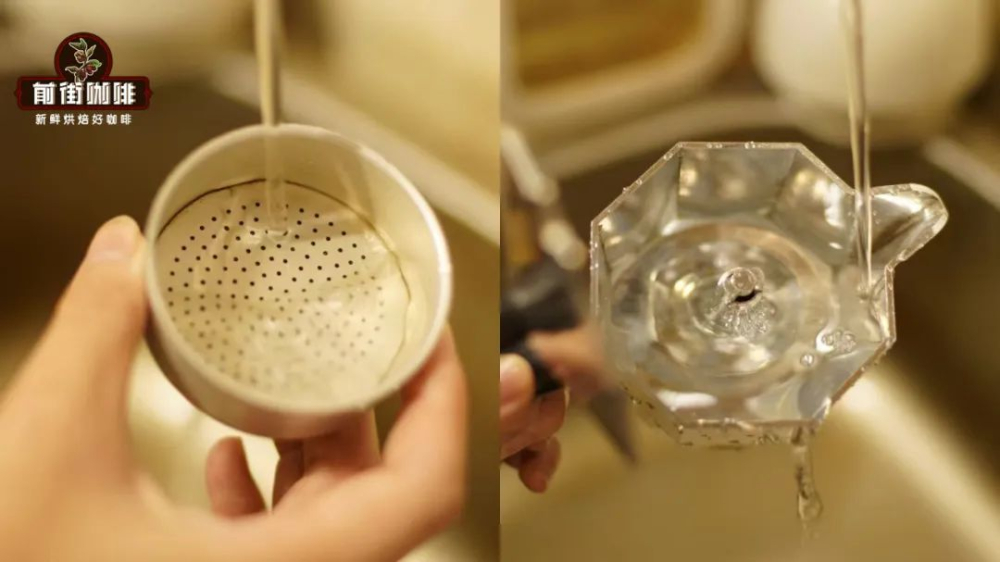
Finally, cleaning and maintenance after use are also key to extending the life of the moka pot and maintaining consistent flavor. After each use, it’s recommended to disassemble it immediately and rinse it with water, paying special attention to the filter plate, gasket, and extraction channel—be sure to remove any residual coffee grounds and oil stains. After cleaning, you can invert it to dry to avoid water accumulation leading to oxidation or musty odors. If not cleaned for a long time, old coffee stains may clog small channels, not only affecting the flow rate and pressure of the next extraction but also possibly causing off-flavors to mix in, making the coffee taste burnt or strange.
In summary, the first use of a new moka pot is not just a “test brew,” but a correct seasoning process that ensures the pot is clean and the pressure is stable, thereby delivering a safe and delicious extraction experience. Mastering details such as water amount, grind, coffee filling, and cleaning means you can brew espresso close to café quality from day one.
The above content is compiled by CoffeeHunters, a coffee news website.


