








Introduction:In recent years, coffee shops have sprung up like mushrooms after rain. Many middle-aged people hope to use this as an opportunity to escape the 996 work lifestyle, but can they really achieve their goal? This article delves into the real challenges of starting a coffee shop business, covering industry trends, income structures, the differences between franchising and independent operation, low-price competition, and daily operational hurdles. It aims to help you comprehensively evaluate the feasibility of a career switch and make a more rational decision.
Chain brands such as Luckin, Cotti Coffee, and Luckin Coffee have rapidly expanded in the market in recent years, with their number of outlets experiencing explosive growth. At the same time, independent coffee shops have also sprung up across the country. Many middle-aged office workers have begun to consider whether they should switch careers and open a coffee shop to escape the high-pressure environment of 996 work. However, there is often a huge gap between ideals and reality.
On the surface, opening a coffee shop may seem to have a low barrier to entry, but actual operations are full of challenges. Baristas generally earn relatively low salaries, especially in non-tier-one cities where incomes are even more limited. Except in a few high-consumption cities like Shanghai, most purely coffee-focused shops struggle to maintain stable profitability due to low table turnover rates. Additionally, there are two main models for opening a shop—franchising and independent operation—each with its own potential risks and cost considerations.
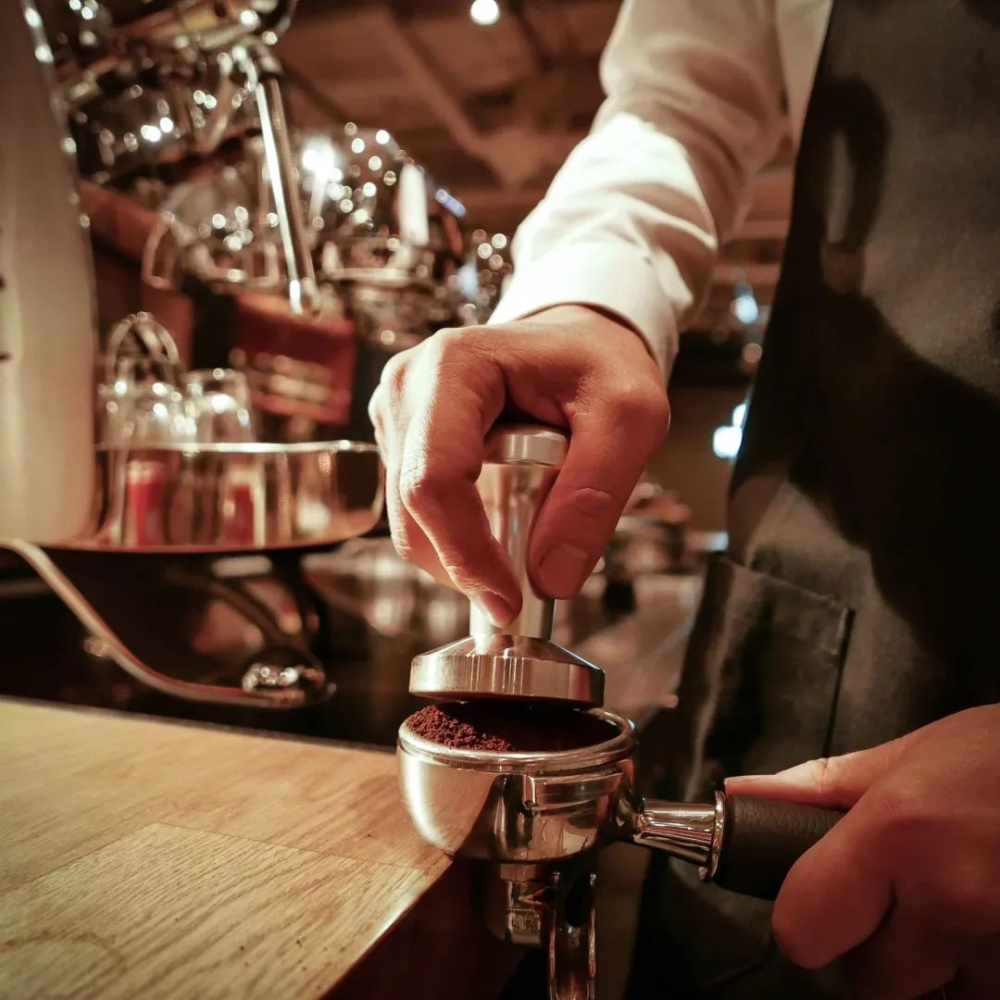
From the perspective of baristas, although this profession carries a certain cultural aura, the entry barrier is relatively low, with many positions requiring only basic experience. Compared to professional occupations such as engineers or accountants, the professional certification system for baristas is not yet fully mature, and the career development prospects are limited. According to recruitment market data, baristas' incomes are generally lower than those in other industries, with only some establishments in a few regions like Shanghai offering relatively desirable salary packages.
Nevertheless, coffee shops still hold a certain appeal for young people. On one hand, coffee culture is seen as a symbol of fashion and taste in life; on the other hand, the working environment of a coffee shop appears relaxed, which can easily lead people to assume that the pressure is relatively low. For young people tired of workplace stress, opening a coffee shop seems like an ideal choice to break free from bosses and realize self-worth.
However, in recent years, the situation has changed. With shifts in the economic environment, many middle-aged people have also begun to consider switching careers and opening coffee shops. On social platforms such as Xiaohongshu, a 36-year-old UP main planning to switch careers shared their learning checklist, including books such as The World Atlas of Coffee, The Coffee Roasting Handbook, and Psychology of Feeling, resonating with many middle-aged readers.
The preparation by this UP main may seem thorough, but in reality, many who plan to switch careers do not truly understand the potential challenges of this industry. Although the initial stage of opening a shop may only require capital, choosing between franchising or independent operation will bring different difficulties. It is understood that franchising an 80-square-meter coffee shop requires an initial investment of about 800,000 yuan, covering expenses such as store rent, decoration, equipment, and brand licensing. If monthly revenue can reach 20,000 yuan, it would take approximately two to three years to break even.
In comparison, while the costs of independently opening a shop are more flexible, recovering the investment in a short period is by no means easy. Many novice shop owners often face continuous losses in the early stages of operation, a reality challenge that many did not anticipate.
Even more challenging is that even after overcoming the initial operational hurdles, one must still contend with the endless wave of low-price competition in the market. You might price a cup of coffee at 20 yuan, but the shop next door offers a promotional price of 9.9 yuan, making it impossible to compete on price. In the end, many shop owners can only treat the coffee shop as a personal leisure space, joking that “this shop is just for me and my friends.”
As the number of coffee shops continues to increase, this business model has become part of urban life. However, for middle-aged career switchers who hold dreams but lack clear business plans, without sufficient capital and operational strategies, they may end up trapped in a more grueling 007 work mode than 996.
Opening a coffee shop not only requires a passion for coffee, but also solid business thinking and risk tolerance. Before chasing your dream, ask yourself: Are you truly ready?

The above content is compiled by CoffeeHunters, a coffee news website.


