







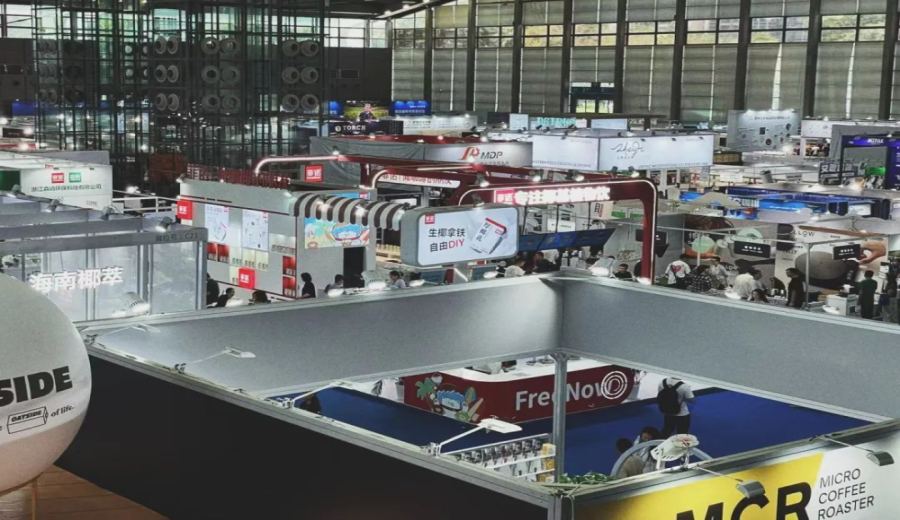
Introduction:In recent years, the ticketing policies of coffee festivals around the world have sparked widespread discussion. Many full-price ticket holders have complained about not receiving the expected perks, and the market has seen a rise in discounted resale tickets and scalping. This article delves into the reasons behind coffee festival ticket policies, explores the truth behind the gap in consumer experience, and offers practical advice on identifying genuine tickets and avoiding scalper traps.
As specialty coffee culture becomes increasingly popular, coffee festivals and markets across the country have become must-visit events for coffee enthusiasts. However, in recent years, the debate over whether festivals “should charge an entrance fee” has intensified—especially as many consumers who paid the full price have reported that they did not receive complimentary drinks, brand merchandise, or even basic discount coupons upon entry, leading to a significantly diminished experience.
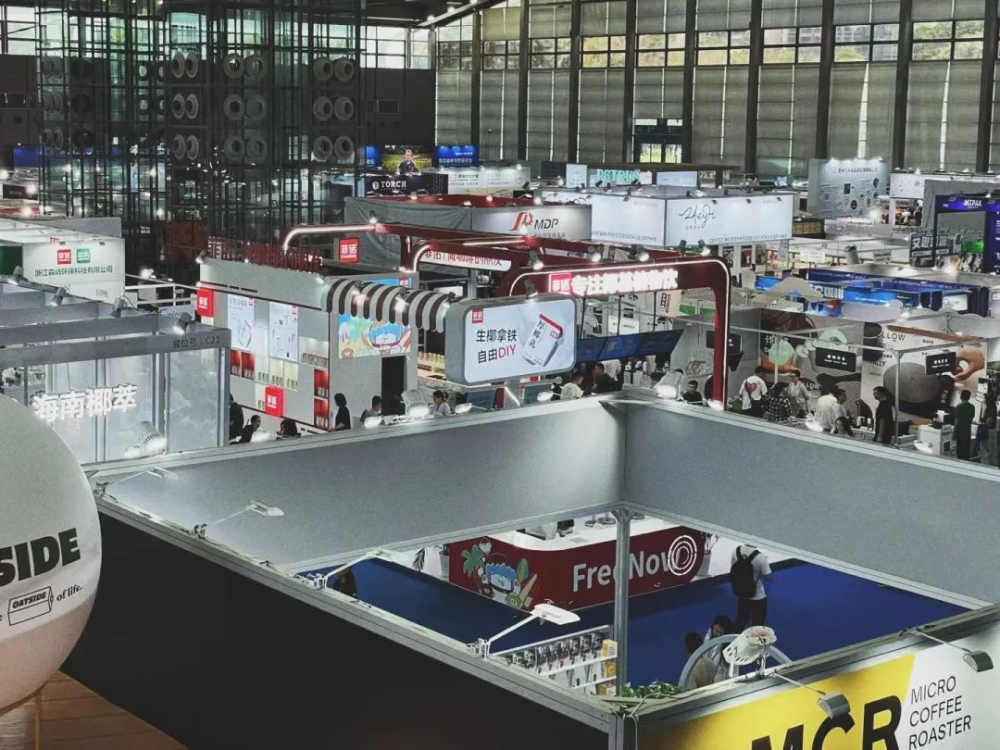
Many coffee enthusiasts plan to attend major coffee expos to sample a variety of specialty drinks from multiple brands, sometimes even treating it like a short trip. Yet, in related discussions on social media platforms, “ticket fees” often become a focal point of negative feedback. Numerous netizens have bluntly stated that paying over a hundred yuan for admission only grants them entry and a tote bag—not a good deal at all.
Not long ago, one netizen shared their personal experience, noting that they spent over a hundred yuan on a full-price ticket, only to find that, aside from a basic tote bag, there were no complimentary drinks, branded merchandise, or even common discount coupons—leaving them lamenting that “the money was not well spent.” Similar experiences have been frequently reported, with some consumers jokingly referring to themselves as “big suckers.” One person mentioned purchasing two early-bird tickets last year for a total of 170 yuan, but not only did they not gain any tangible benefits, they also discovered that many others had obtained their tickets at low prices through second-hand platforms or from scalpers—further fueling their sense of unfairness.
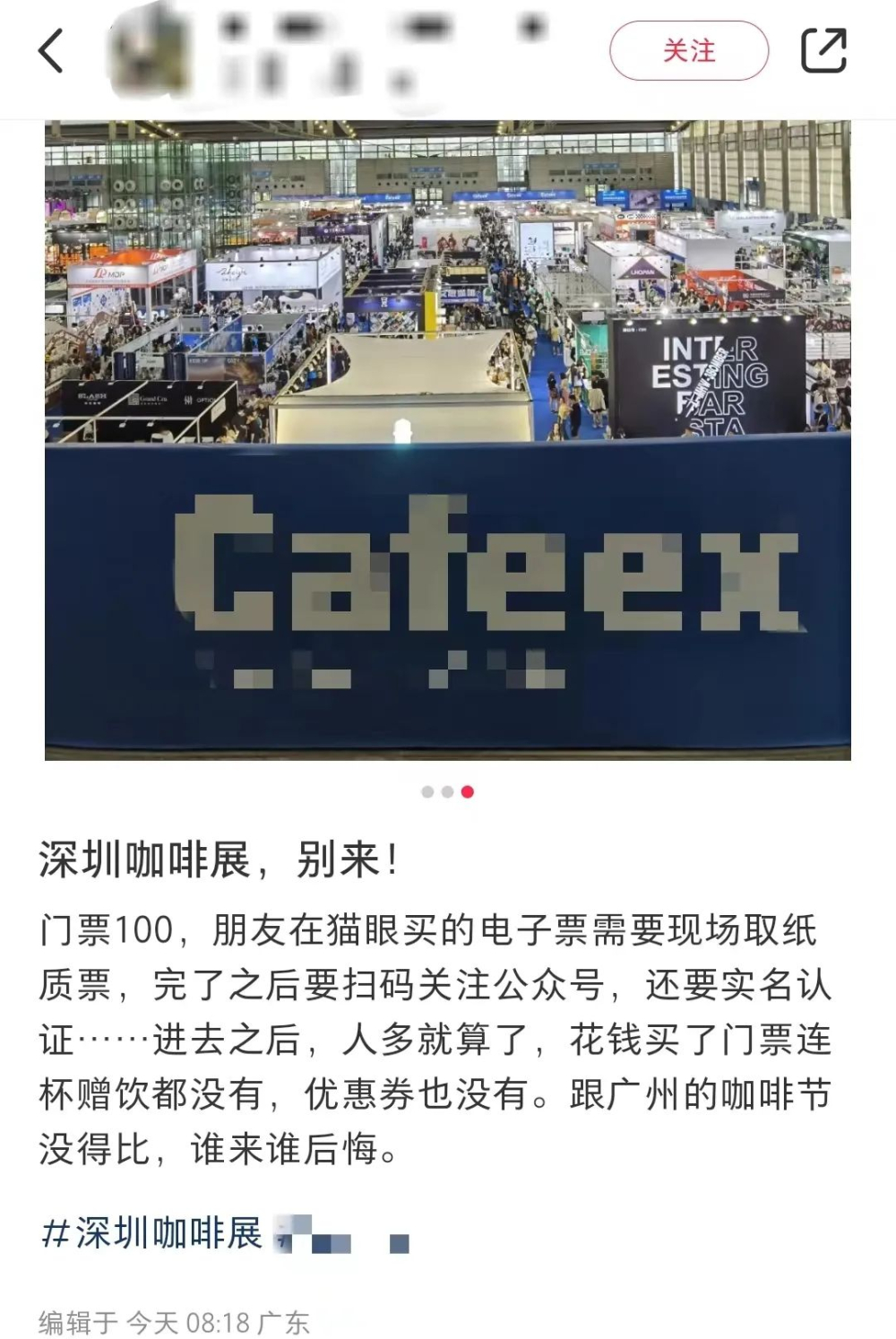
In community comment sections, many netizens pointed out that besides official full-price tickets, discounted resale tickets can also be obtained on-site from scalpers—but the risk lies in having to judge the authenticity of the tickets oneself, otherwise one might end up with invalid or already-used fake tickets. Experienced attendees even directly advise: “Unless absolutely necessary, spending over a hundred yuan on a full-price ticket is really not worth it.”
Since the lifting of pandemic restrictions, coffee festivals have sprung up like mushrooms after rain, whether in first-tier cities or small towns. Both chain brands and independent cafes have actively participated, offering a rich selection of specialty drinks. In fact, it’s not the first time coffee festivals have adopted ticket reservation or on-site sales models, but the recent trend of “charging admission” has become increasingly common.
From the organizers’ perspective, setting ticket prices helps pre-screen the attending audience, reducing the number of people who are just there to join the crowd or try to “get a bargain,” thereby improving the overall quality of the event. At the same time, it also provides more opportunities for exhibitors and consumers to interact face-to-face, promoting a deeper understanding of coffee culture. However, from the consumers’ standpoint, if ticket prices are too high and lack substantive benefits such as complimentary drinks, small brand gifts, or discount coupons, it can easily lead to dissatisfaction and affect overall participation willingness.
Experts suggest that before planning to attend a coffee festival, the public should first check the official information to confirm what services or perks the ticket includes, and assess their own expectations and budget for the event. If they find that the ticket price does not match the actual content, or if there are reasonably priced resale options available in the market, they may also want to carefully consider whether buying a full-price ticket is worthwhile. Additionally, if choosing to purchase tickets through non-official channels, it’s essential to pay attention to the credibility of the ticket source and avoid losing the opportunity to attend just to save a bit of money.
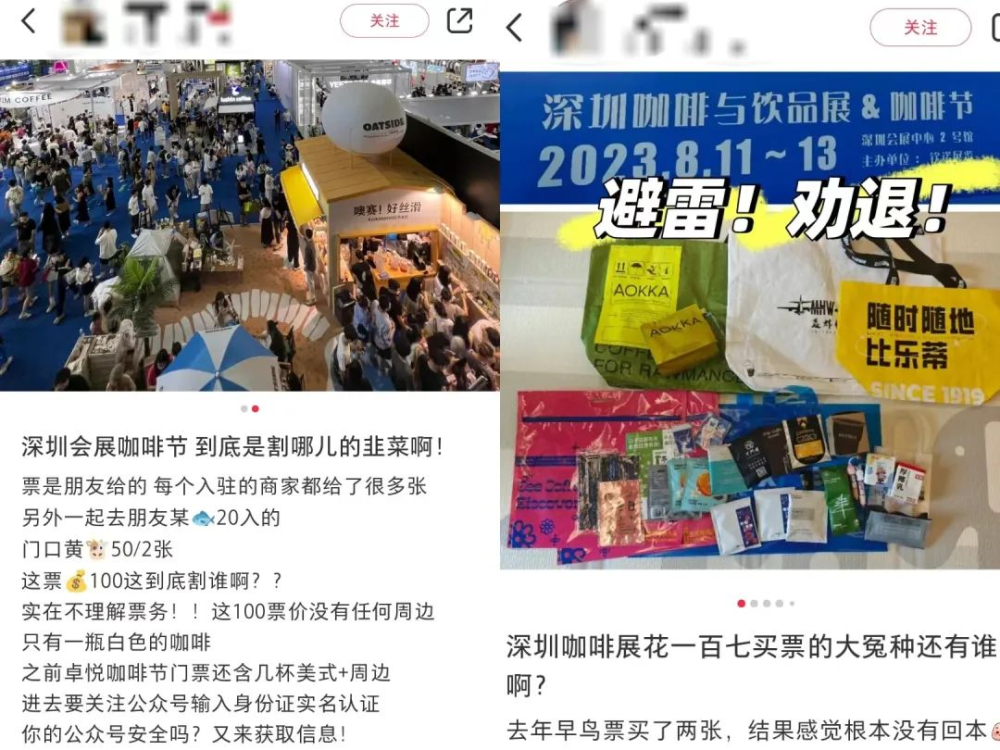
Overall, the establishment of coffee festival ticket systems has its operational logic, but how to strike a balance between attracting participants and protecting consumer rights remains a topic that organizers will need to continuously optimize in the future. For coffee lovers, rationally evaluating the value of the event and their own needs will help ensure a more enjoyable festival experience.
The above content is compiled by CoffeeHunters, a coffee news website.


