








Introduction:Have you ever wondered why coffee shops often discard the first shot of espresso made right after turning on the machine in the morning? This isn’t just an industry habit — it’s a crucial step to ensure flavor purity. This article delves into the technical principles behind the first extraction, explains how machine warm-up affects coffee quality, and discusses the potential off-flavors that may arise if this step is skipped. Offering expert advice, it helps coffee enthusiasts understand the science behind the process and improve the consistency of their own brewing.
Walk into any professional coffee shop, and you’ll often notice an interesting phenomenon: the first shot of espresso made after opening in the morning is frequently poured out before it even reaches a customer. While this may seem like a waste, it actually reflects a professional commitment to maintaining strict quality control.
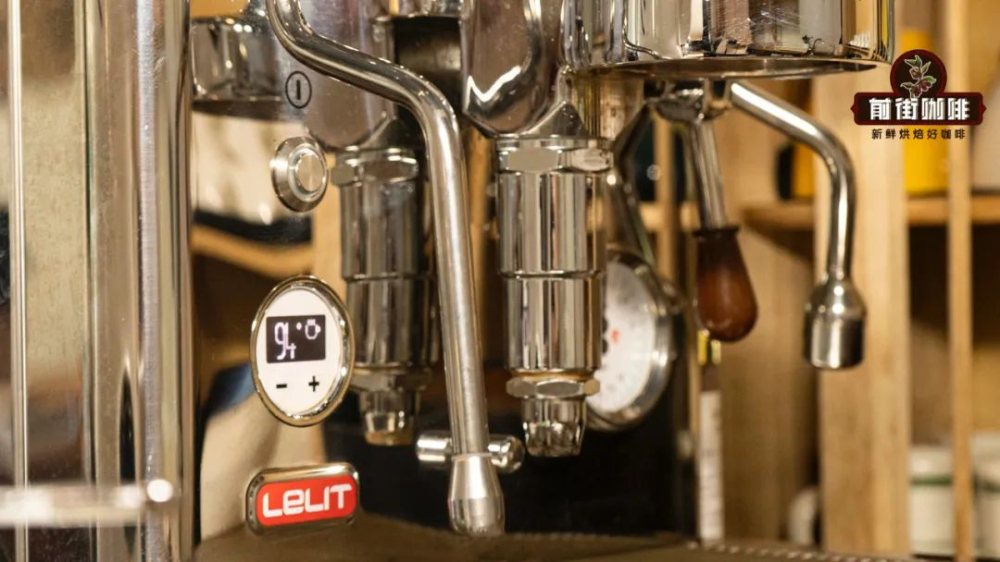
When a coffee machine has been idle overnight, its internal tubing and brew head are at room temperature. During the initial startup, the heating system needs time to bring the entire circuit up to a stable brewing temperature. During this period, residual water in the tubing walls can dilute the hot water about to be used, resulting in an actual brewing temperature that falls below the ideal range.

More critically, a machine that has been sitting idle is prone to accumulating trace mineral deposits and residual oils. Although modern commercial coffee machines have significantly improved in addressing this issue, the first flow of water may still carry these impurities, directly affecting the purity and flavor performance of the first cup.
Professional baristas usually observe the early stage of extraction, paying close attention to the color and flow rate of the liquid in the first few seconds. Normally, the crema (the layer of coffee foam) from the first shot of the day tends to be thinner and uneven in color — a sign that the machine hasn’t yet reached its optimal working state.
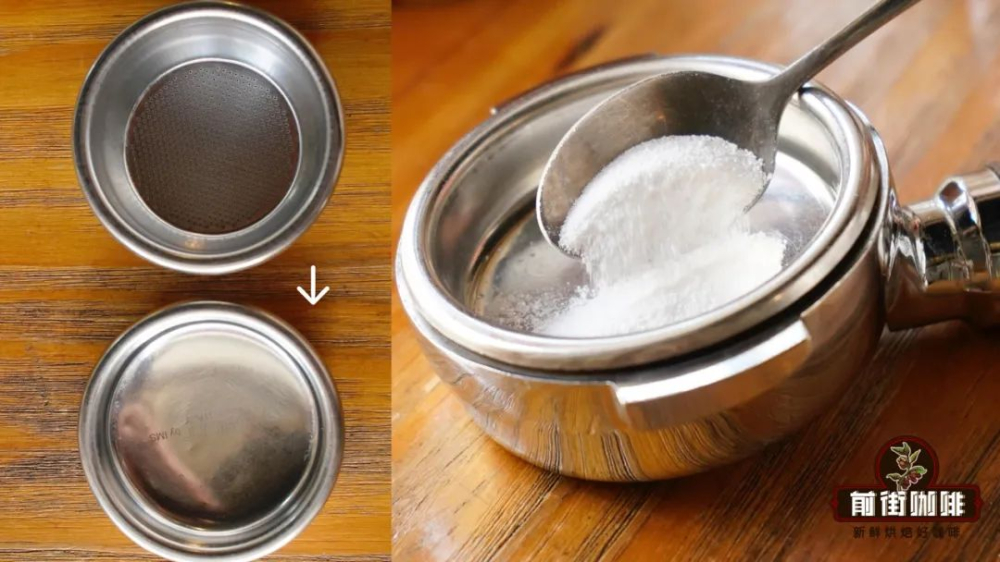
If this first extraction is not discarded, it may result in noticeable off-flavors in the final cup. Common issues include overly sharp acidity, unnatural metallic notes, or an overall lack of balance. These abnormal flavors mainly stem from two factors: suboptimal brewing temperature and the release of hidden impurities in the piping.
It’s worth noting that even with regular use of specialized cleaning powders to maintain the machine, this step is still recommended. Cleaning procedures primarily target the removal of stubborn dirt and built-up oils, but they cannot completely eliminate the trace impurities that naturally settle after each shutdown.

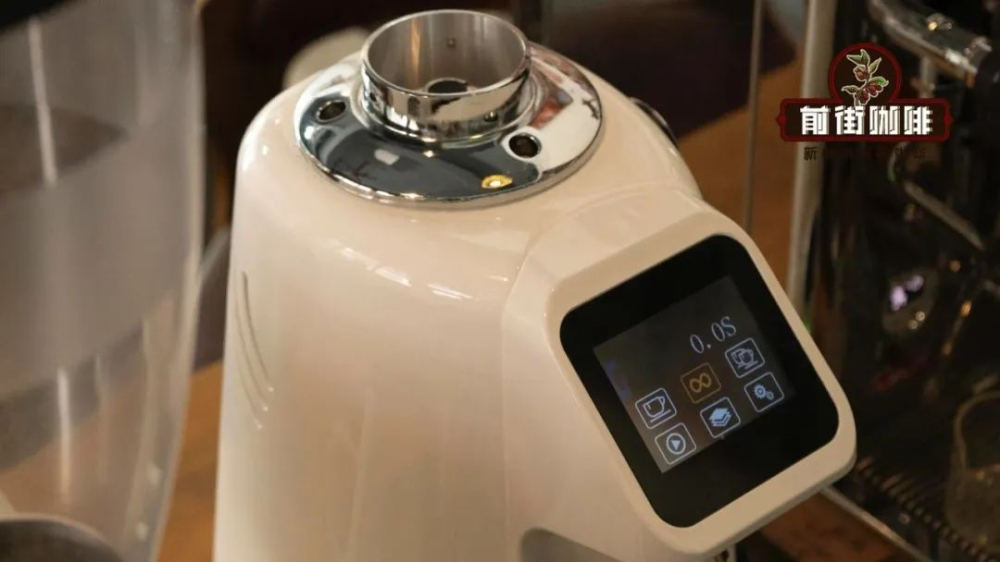
From a technical perspective, the ideal solution is to perform what’s called a “warm-up routine” before official service begins. This includes preheating the machine for at least 15–20 minutes and performing 1–2 empty extractions (running water without coffee grounds), each about 50–80 ml, to ensure the tubing is fully warmed and stabilized.
In practice, many professional shops also use this warm-up period to calibrate grind size and dose parameters, fine-tuning pressure settings according to the characteristics of the coffee beans being used that day. This comprehensive preparation process ensures that the first cup of espresso sold is of the highest possible quality.
For home users, although such strict measures aren’t necessary, understanding this principle still holds practical value. It’s recommended that after the coffee machine has not been used for a long time (e.g., overnight or after several hours of inactivity), the first extraction can be used to test the water flow or simply taste to determine whether the flavor is normal before deciding whether to proceed with making drinkable coffee.
In summary, this often misunderstood act of “waste” is actually a vital part of how coffee professionals maintain consistent quality. By understanding the dynamics of machine warm-up and the characteristics of the internal tubing, we can more scientifically manage the coffee experience — whether in a commercial setting or at home.

The above content is compiled by CoffeeHunters, a coffee news website.


