








Introduction:Many coffee enthusiasts wonder: can a plain Americano also display delicate latte art? This article clearly answers the feasibility of hot Americano latte art, delves into the foaming mechanism of proteins in espresso, and breaks down the key points and challenges in the practical process. Even without milk, it is possible to create basic patterns on a hot Americano through scientific principles and techniques — making it a fascinating area for coffee enthusiasts looking to break the norm.
In the world of coffee art, most people first think of milk-based drinks like lattes or cappuccinos, with their stunning milk foam designs. However, many coffee lovers have a question: if no milk is added, can a simple hot Americano also achieve a similar latte art effect? The answer may not be straightforward, but there is indeed some possibility.
The history of coffee latte art originates in Europe, where steam-frothed milk foam was used to create various patterns on the surface of espresso with precise movements. This craft emphasizes not only aesthetics but also integrates fluid dynamics and hand coordination, and is regarded as the most artistic aspect of espresso preparation. Generally speaking, latte art is inseparable from milk, so attempting to create patterns on pure coffee indeed challenges conventional thinking.

Returning to the topic, the basic composition of a hot Americano is hot water and espresso, with no milk added at all. Therefore, to create patterns without milk foam, one must rely on the physical properties of the espresso itself. The key lies in the ‘proteins’ contained in the espresso — these proteins expand when heated and, under the right conditions, form tiny bubble structures, thereby producing a foaming effect similar to milk foam.
From a scientific perspective, proteins change their structure when heated, enabling them to trap air and form foam. Therefore, although it cannot produce the dense and stable milk foam that milk can, espresso under specific temperature and brewing conditions can indeed generate a slight foam layer sufficient to support simple patterns. This is the theoretical foundation for the possibility of hot Americano latte art.

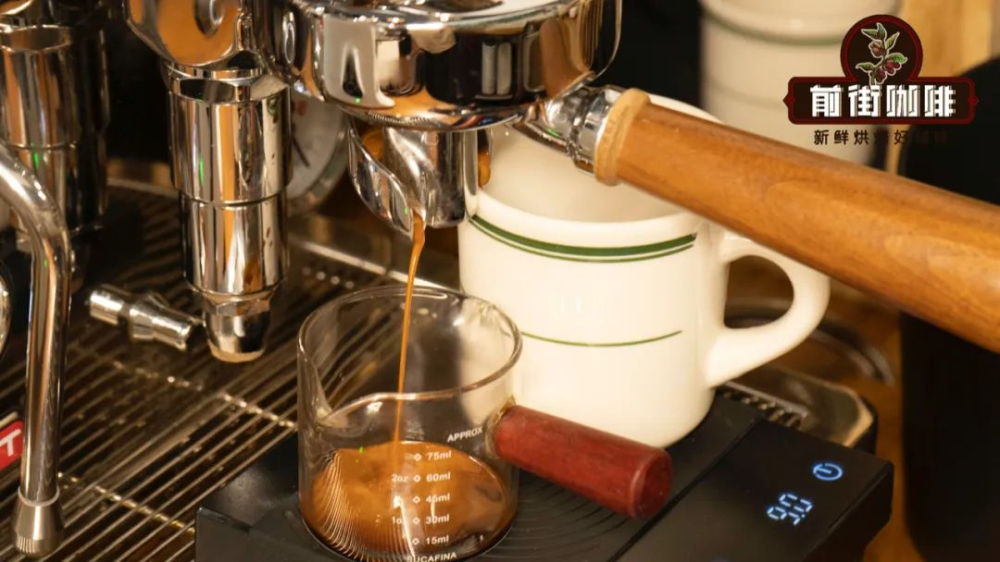
However, in practice, getting espresso to naturally form enough foam is not easy. First, parameters during espresso extraction such as water temperature, grind size, and pressure all affect the final foam performance. It is generally recommended to use a finer grind and a moderately high water temperature, which helps release more volatile substances and proteins, thereby increasing the likelihood of foaming. In addition, the resting time after extraction is also crucial — an appropriate rest allows the surface foam to stabilize slightly, making it easier to shape afterward.
Another challenge is that the flow and viscosity of espresso differ from those of milk foam. Therefore, when attempting to draw patterns, one needs to adjust hand movements and pouring angles to accommodate the less stable liquid surface. Some baristas use a spoon to assist, gently pushing the surface foam to form simple patterns. Although it may not achieve the delicacy of traditional latte art, it can still present a unique visual effect.
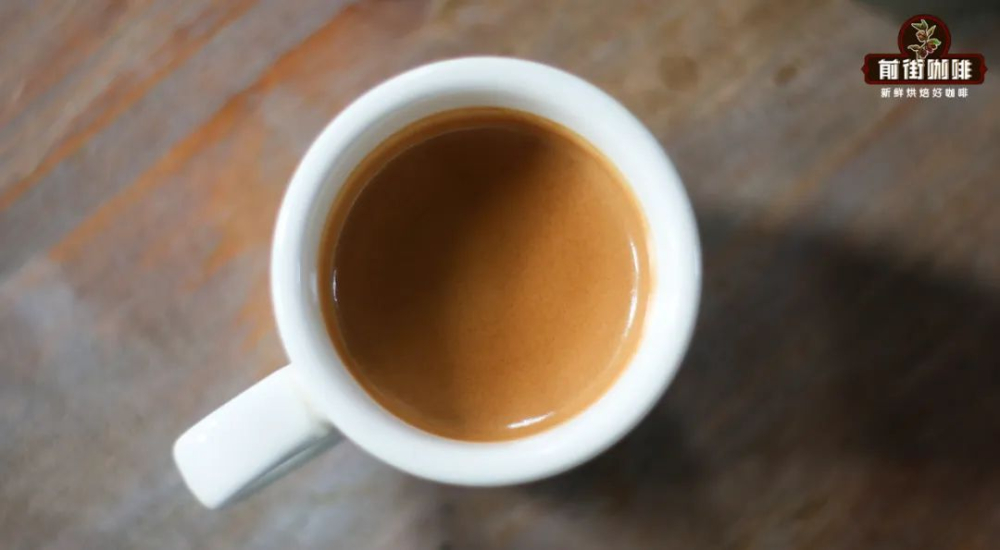
It’s worth noting that since hot Americano lacks the supporting strength and stretchiness of milk foam, any patterns tend to be simple lines or geometric designs, and cannot achieve the complex floral patterns seen in lattes. But for coffee lovers who enjoy experimentation and challenges, this is already a worthwhile direction to explore and can add a lot of fun to the everyday coffee experience.
In summary, although hot Americano latte art is not as widely known or easily achievable as milk-based latte art, by understanding the foaming principles of espresso and mastering certain techniques, it is indeed possible to present patterns with some texture to a certain extent. This not only expands the boundaries of coffee creativity but also offers coffee enthusiasts who enjoy hands-on experimentation a brand-new angle of play.
The above content is compiled by CoffeeHunters, a coffee news website.


