








Introduction:The clarity of pour over coffee is often regarded as a symbol of high quality, but do you truly understand what it signifies? This article delves into the key factors that influence clarity, including coffee bean quality, water conditions, and brewing techniques. It also teaches you how to comprehensively evaluate the cleanliness of a cup of coffee based on aroma, layers, and aftertaste. Mastering these skills allows you to brew pour over coffee with distinct flavors at home.
In the world of pour over coffee, "clarity" is a term frequently mentioned yet hard to define in a single sentence. Many coffee enthusiasts describe a particular coffee as having a "clean taste," but this isn’t merely about a pure or transparent sensation—it's an important indicator of whether the overall flavor presentation is clear and free from impurities.
Clarity doesn't exist in isolation; it is closely related to the layered profile of the coffee, its aroma expression, and the persistence of its aftertaste. When a cup of coffee features distinct changes in aroma, a smooth flavor progression upon tasting, and a clean, non-dragging finish, we describe it as having a high level of clarity.

Many people mistakenly assume clarity simply means "no off-flavors," but it also encompasses whether the flavors are focused and clearly expressed in the mouth. For example, a high-quality Ethiopian Yirgacheffe should exhibit bright citrus acidity, jasmine floral notes, and a tea-like finish. If these characteristics are well-blended and distinctly layered, it indicates excellent clarity in that cup of coffee.
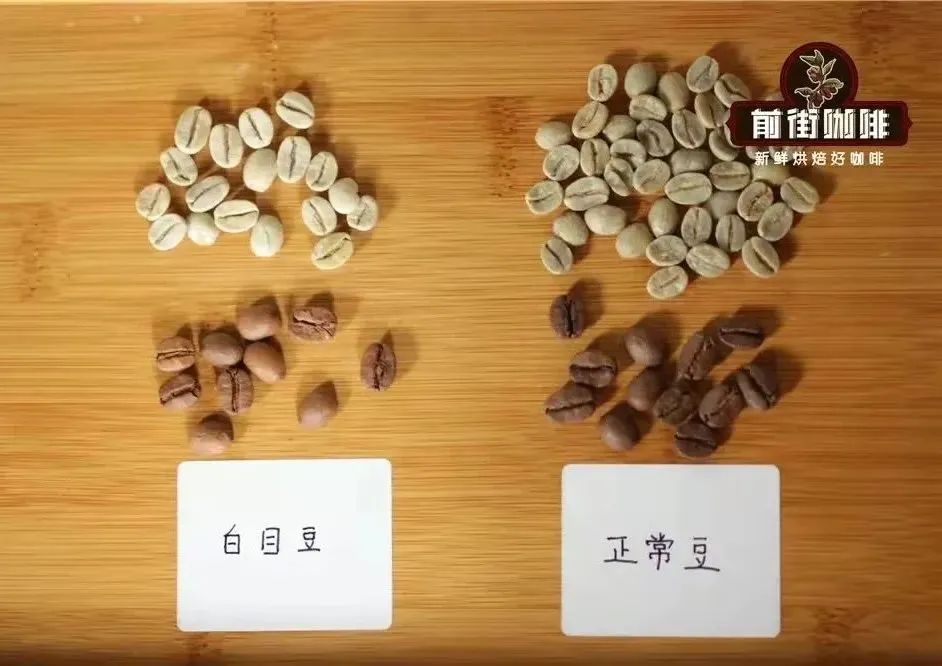
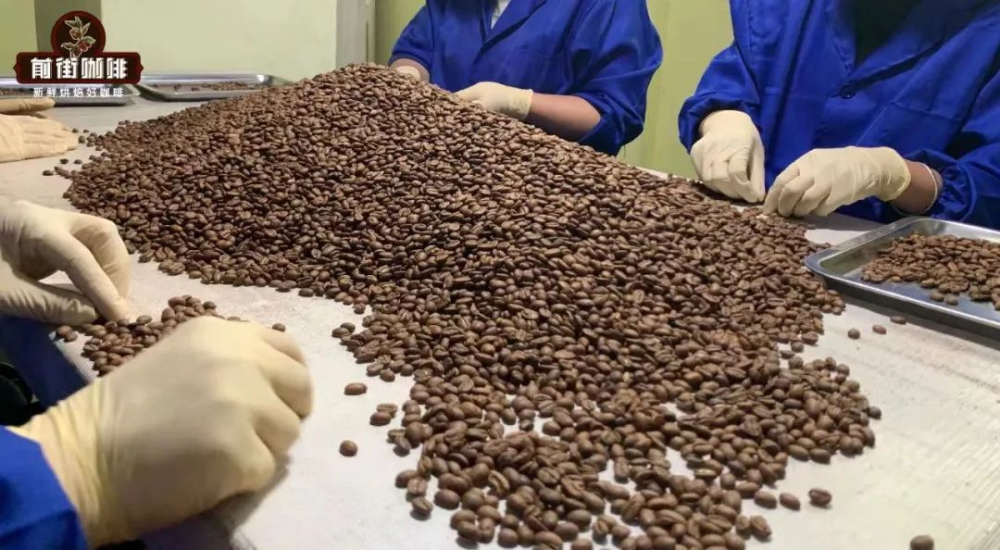
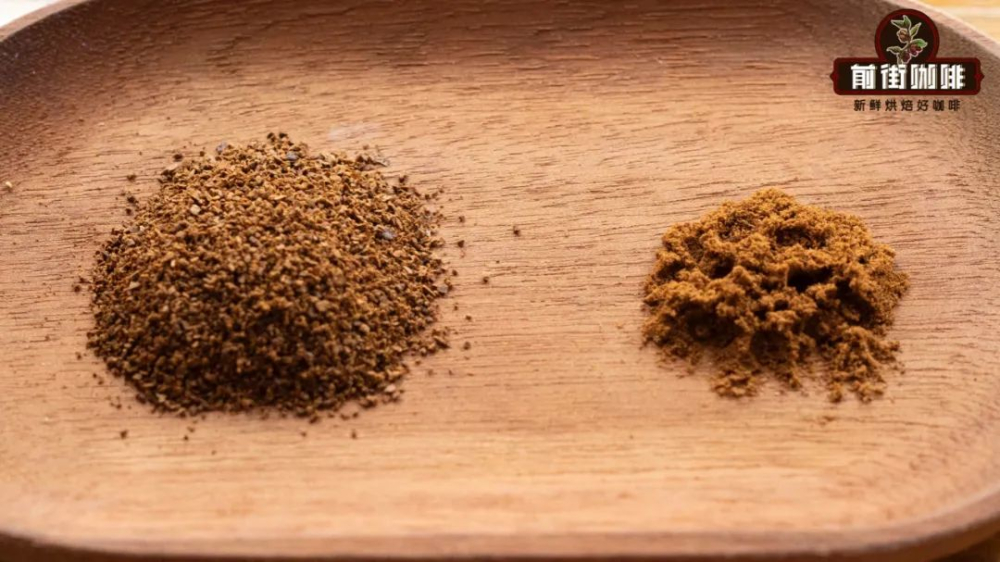
There are numerous factors that affect clarity, ranging from the upstream selection and roast level of the coffee beans, to the midstream aspects such as water quality and grind size, and finally the downstream brewing techniques—all of which can influence the final flavor outcome. Among them,freshly roasted coffee beansandappropriate grindingare the basic elements for maintaining clear flavor.

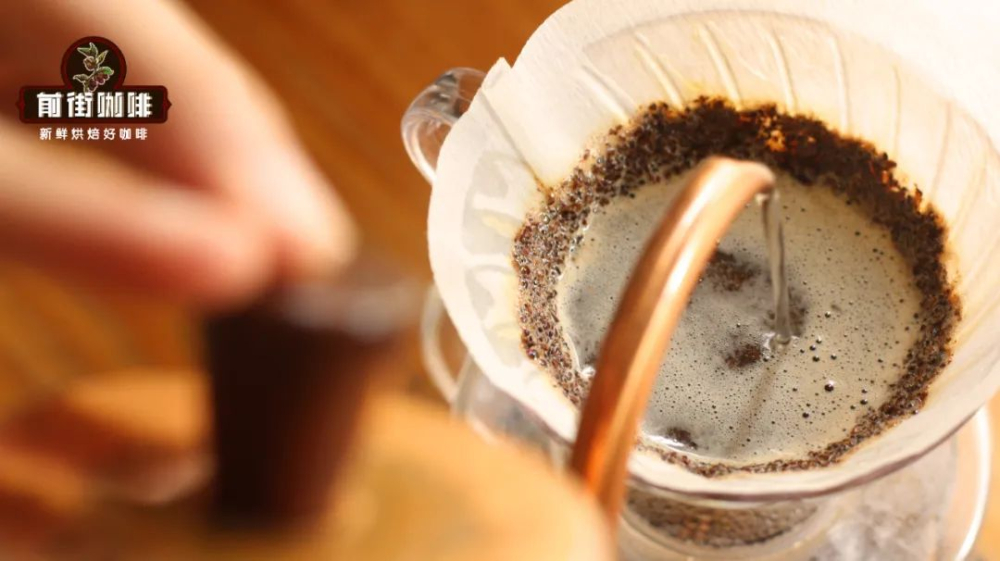
During the brewing process, water temperature control and pouring technique are equally crucial. Excessively high temperatures can extract too many impurities, resulting in a murky flavor; while unstable pouring flow rates may lead to uneven extraction, causing certain flavors to be overly prominent or suppressed. It is recommended to use water temperatures between 88°C and 94°Cand maintain consistency in pouring speed and rhythm to enhance the clarity of the coffee.
Additionally, water quality is an often overlooked aspect. It’s advisable to use filtered or soft water for pour over brewing to avoid the impact of heavy metals or excessively high mineral content on extraction results and flavor expression. Some coffee enthusiasts even adjust the mineral ratio of their brewing water to emphasize specific flavor characteristics. For those pursuing the ultimate in clarity, this is also a direction worth exploring.

When evaluating the clarity of a pour over coffee, consider the following aspects: First, is the aroma clear and layered? Second, is the main body flavor upon tasting distinct, allowing you to easily distinguish characteristics such as fruit acidity, sweetness, or spices? Finally, is the aftertaste clean and lingering, without any strange off-flavors or bitter residues?
These evaluation points are not only applicable to professional cupping but can also help everyday consumers more accurately capture the nuanced details of coffee during regular enjoyment. Through repeated practice and comparison, you’ll gradually develop a keener sensitivity to clarity, thereby enhancing your overall brewing and tasting skills.
In summary, the clarity of pour over coffee is not just a technical pursuit but also a comprehensive result of whether the flavor is refined and the taste balanced. From bean selection, grinding, water quality, to brewing technique—each step can affect the final clarity. Mastering these key elements will allow you to more confidently enjoy and share every well-brewed cup of coffee.
If you’re just beginning to explore the world of pour over coffee, consider using "clarity" as one of the key benchmarks for evaluating your own brewing results. Through continuous experimentation and adjustments, you’ll find that even small changes can bring surprising enhancements to the final coffee flavor.


The above content is compiled by CoffeeHunters, a coffee news website.


