








Introduction:Have you ever wondered how milk as clear as water is made? The “clarified milk” that made a stunning debut at the 2021 World Coffee in Good Spirits Championship remains to this day a niche and innovative material. This article will take you deep into the science behind milk clarification — from the golden ratio of lemon juice to milk, filtration techniques, to the full hands-on process of drinking it straight, pairing it with espresso, and sweetening it. We’ll analyze the flavor profiles of each method to help you master this innovative technique and explore the endless possibilities of coffee beverages.
At the 2021 World Coffee in Good Spirits Championship, a special kind of “milk” that looked as clear as water made its first appearance, drawing considerable attention. This “transparent milk,” created through special processing techniques, has not yet been widely popularized in the coffee market and can only be seen in a handful of specialty cafés. So, what scientific principles lie behind this seemingly magical milk clarification technique? And what kinds of surprises or challenges might lattes made with it bring? To answer these questions, we rolled up our sleeves and started with the basics of milk clarification. Using lemon juice as an acidic medium, we’ll guide you step-by-step through making transparent milk, and then evaluate its true flavor performance through three methods: direct sipping, adding espresso, and adjusting acidity with sugar.
The core technique of milk clarification mainly utilizes an acidic substance (such as lemon juice) to trigger a chemical reaction with the proteins in milk. Regular milk primarily contains casein and a small amount of whey protein. When casein encounters an acidic environment, it changes from its normally stable colloidal state, gradually detaching and aggregating to form flocculent precipitates. At this point, by using an appropriate filtering medium (such as filter paper), these precipitated protein flocs can be filtered out, leaving behind a clear and transparent liquid — “clarified milk.” It’s worth mentioning that this technique didn’t just emerge in recent years; it dates back to the late 17th century and was previously known as “milk washing,” a traditional craft that separates milk components through physical and chemical methods.
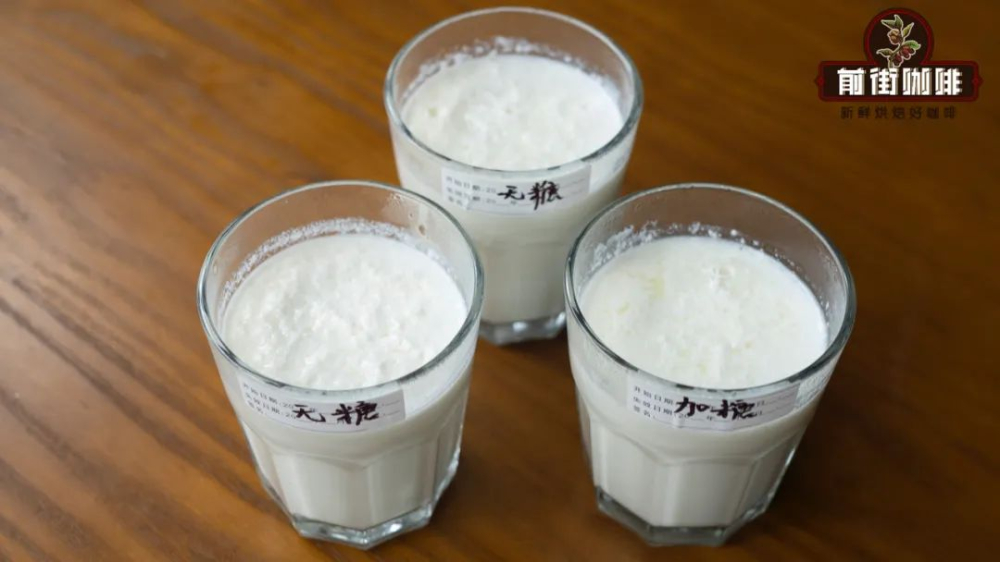
So, what are the obvious differences between clarified milk and regular milk? Simply put, the main component filtered out during the clarification process is a large amount of casein, while the remaining liquid still retains whey protein, water-soluble vitamins, lactose, minerals, as well as the acidic substance added during the experiment. Therefore, in essence, the two are not absolutely different, but due to the residual acidic substance, clarified milk usually has a noticeable sour taste — an important detail to pay attention to during subsequent beverage crafting. To more comprehensively assess its flavor performance, this experiment specially prepared two versions of transparent milk: one maintaining its original sourness, and another with an additional 30 grams of white sugar added to observe the impact of sweet-and-sour balance on the final taste.

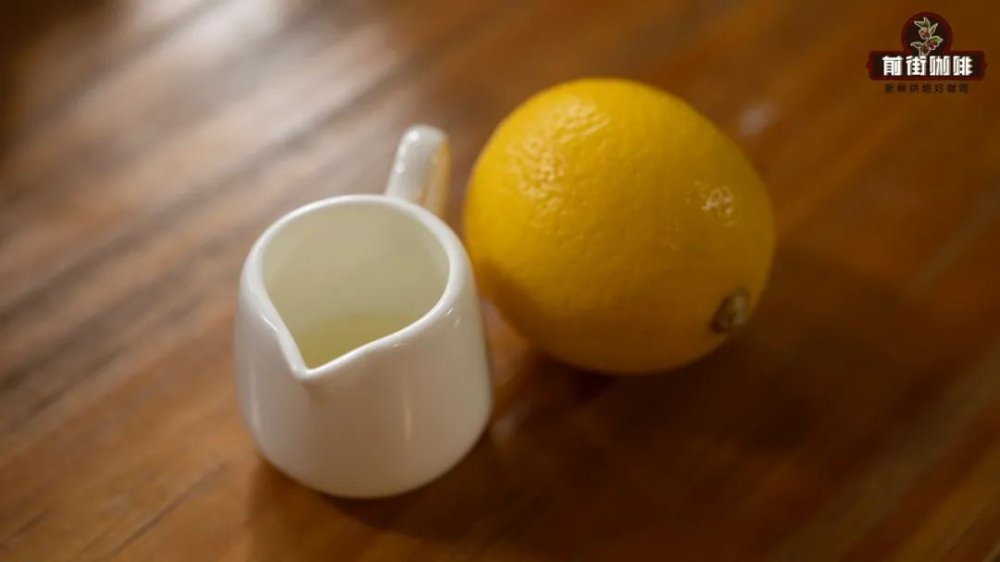
Next, let’s dive into the specific steps of “how to wash milk.” First, choose an acidic fruit (such as lemon, orange, pineapple, or grape) and squeeze out its fresh juice for later use. A special reminder here: it’s recommended to use freshly squeezed juice rather than store-bought concentrated juice to ensure the natural acidity and pure flavor. Then, heat the milk to an appropriate temperature (generally around 40–50°C is recommended). The heating process helps the proteins in the milk denature and flocculate more easily. Next, mix the milk and lemon juice in a 10:1 ratio (this experiment used 200 milliliters of milk with 20 milliliters of lemon juice), pour the mixture into a clean container, and refrigerate for about 10 minutes. This refrigeration period is crucial, as it helps the casein separate more thoroughly, forming a tofu-like flocculent precipitate.
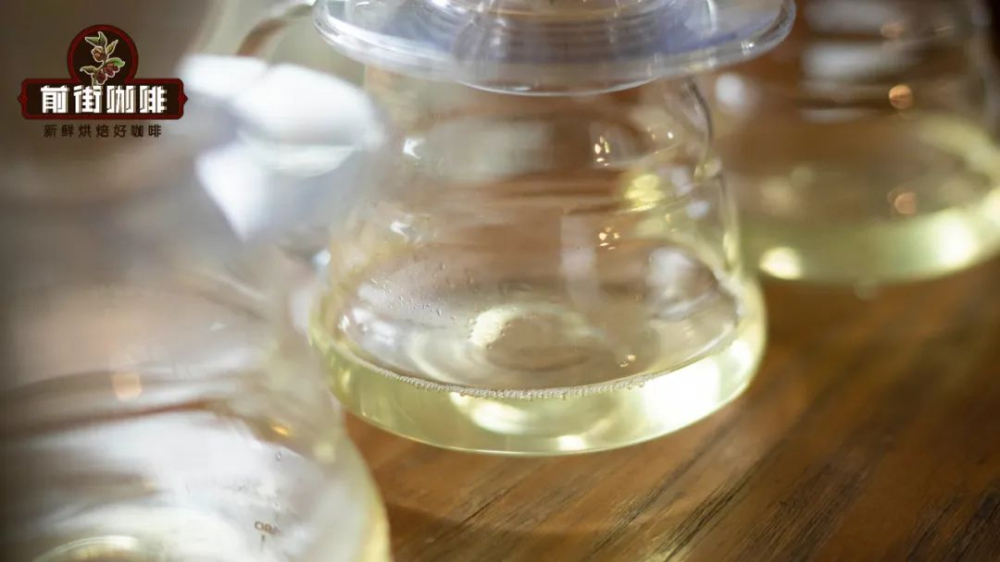
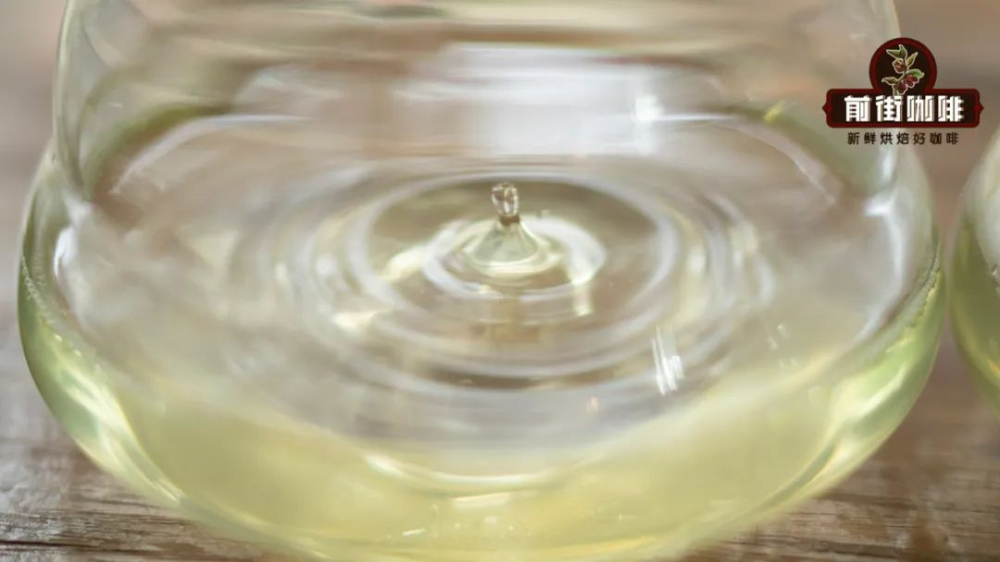
Once the sediment has stabilized, slowly filter out the upper layer of flocculent protein using filter paper (or fine filter cloth). This step may require patience and careful operation, and the whole process takes about 20 minutes, eventually yielding about 150 milliliters of clear and transparent milk. This transparent milk is the main material we’ll use for the subsequent experiments.
After preparation, it’s time for the key moment of flavor evaluation. First, taste the clarified milk directly: the initial aroma carries a faint milky scent, but upon drinking, the subtle sourness brought by the acidic substance becomes noticeably apparent. The overall body is slightly thicker than water, but still significantly different from the smoothness and sweetness of regular milk.
The second combination is mixing clarified milk with espresso to create what we call a “transparent latte.” The flavor profile of this drink is very distinctive, with the acidity being particularly prominent. The overall experience is like an Americano with a more acidic tone, which may require some adjustment time for consumers accustomed to sweet milk coffees.
The third version involves adding 30 grams of white sugar to the clarified milk. The addition of sugar effectively neutralizes the sourness, achieving a better balance of sweet and sour. When tasting, you can clearly perceive the combination of a distinct lemon tea flavor with the coffee, resulting in a smoother and more layered mouthfeel. Compared to the previous two versions, this one is more suited to the general public’s taste preferences.
Based on the comprehensive test results, we found that clarified milk itself is not suitable for direct mixing with espresso nor for drinking as a standalone beverage. Instead, it requires appropriate preparation techniques — such as controlling acidity, adjusting sweetness, or combining with other flavor elements — to showcase its unique drinking value and creative potential. Of course, this experiment used lemon juice as the acidic medium. If you’re curious about the acidity characteristics of other fruits (such as oranges, grapes, or pineapples), feel free to try different combinations yourself — you might just discover even more surprising flavor variations.


The above content is compiled by CoffeeHunters, a coffee news website.


