







Introduction:Can automatic pour-over coffee machines replicate the delicate flavors of hand-brewed coffee? This article compares automatic and manual pour-over methods through practical testing, offering a detailed analysis of differences in extraction rate, flavor complexity, and body thickness, along with recommended coffee beans suited for automatic machines—helping you choose the best equipment based on bean characteristics.
As coffee equipment technology advances, automation has expanded from milk frothing and latte art to the pour-over brewing method. But can the technique-intensive filter brewing be perfectly replicated by machines? To answer this question, we used the same Indonesian Golden Mandheling as the base, comparing automatic pour-over machines with traditional manual brewing. We examined every detail—from grind size, water temperature, and coffee-to-water ratio to final flavor performance—and added practical bean selection advice.
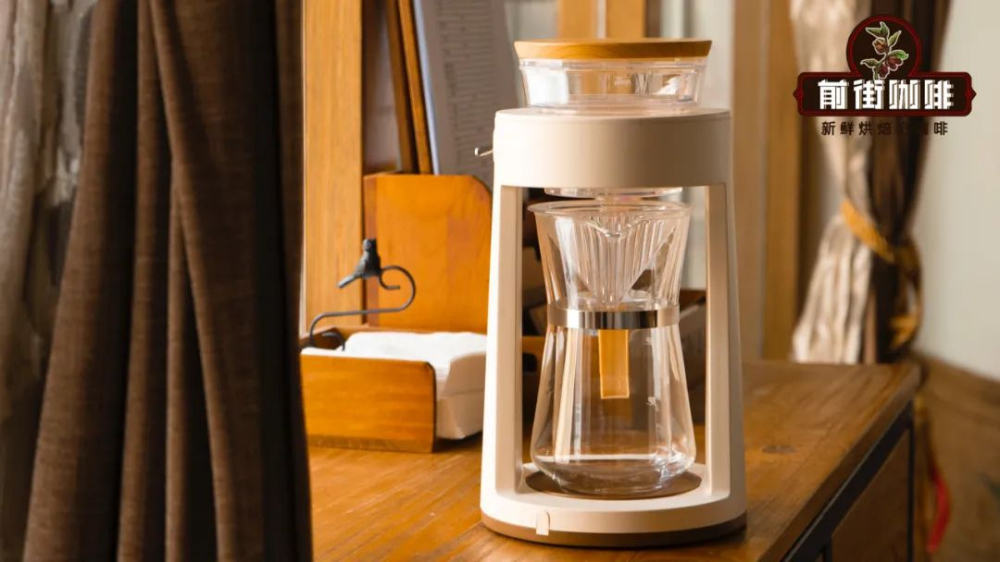
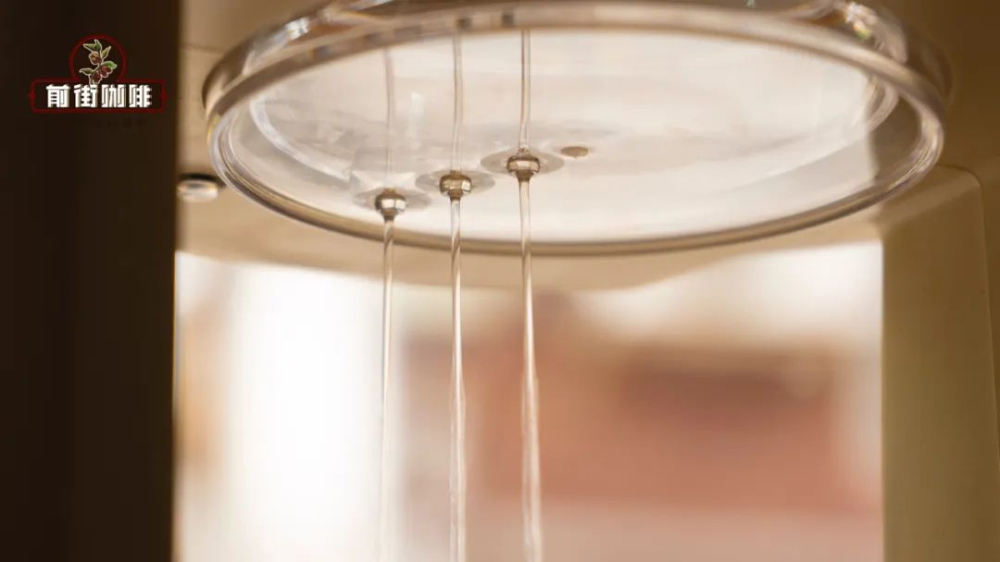
Most commercially available automatic pour-over machines focus on automating the drip process. While some models can automatically adjust water temperature and measure dosage, most still require users to manually control basic variables. The model used in this experiment simulates manual pouring through a rotating upper brew chamber and a bottom three-hole spout design. The flow rate adjusts automatically based on water pressure: it starts with a concentrated columnar stream and transitions to a fine, slow drip toward the end. The overall extraction logic is similar to traditional pour-over.
For the experiment, we strictly controlled variables to compare only the brewing methods. Parameters were as follows: using an EK43 grinder with a grind setting of 10.5 (about 75% extraction through a #20 sieve), considered medium-fine and suitable for hot water brewing; fixed coffee-to-water ratio at 1:15 (i.e., 15 grams of coffee grounds to 225 milliliters of water); water temperature set at 88°C to suit dark roast characteristics; single-pour brewing method (commonly called "one-pour" or "knife cut"), using the same fan-shaped filter as the automatic machine to ensure consistent filtration.
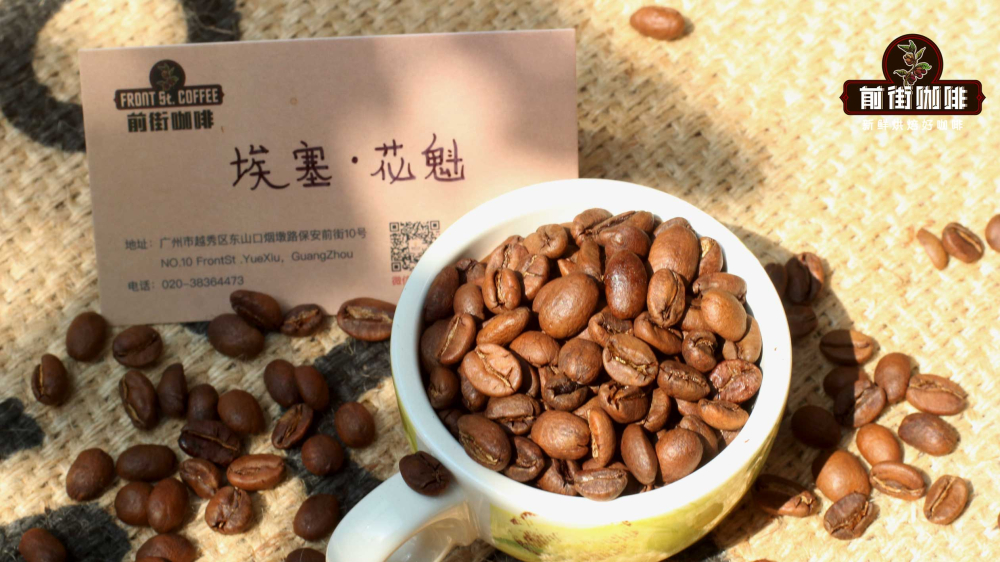
For coffee bean selection, those who prefer a lighter taste with low bitterness might consider light to medium roasts such as Huākuí, Gran Reserva Geisha, or Huāhúdié; those seeking pronounced sweetness may opt for medium roasts like Cǎotángtáng, Xīzhuā, and Hēiméi; for consumers less tolerant of acidity, dark roasts such as Mandheling, Blue Mountain No. 1, and Queen Estate are reliable choices. This experiment specifically selected the dark-roasted “Indonesia · Golden Mandheling,” known for its rich and full-bodied profile, as the test subject.
The operation of the automatic machine is relatively simple: place and wet the filter paper, then add coffee grounds; start the side rotating switch to make the upper chamber rotate at a constant speed; inject about 30 milliliters of hot water for a 30-second bloom; then place the lower chamber in position and pour the remaining 195 milliliters of water; total dripping time is about 2 minutes, and finally gently swirl the coffee liquid to ensure even concentration distribution.
To verify extraction effectiveness, we used a TDS coffee concentration meter to calculate the extraction rate. The data from both experiments fell within the industry-recognized “Golden Cup” ideal range. However, in actual tasting experience, the coffee made by the automatic machine was slightly inferior to the manual version in terms of flavor layering and body richness. Its overall performance leaned toward balance and stability, yet the unique nutty, piney, and chocolate notes of Golden Mandheling were still clearly distinguishable; in contrast, the manual brew exhibited more complex layers and carried a distinctive creamy texture.
It’s worth noting that as long as parameters are properly set, automatic machines can effectively extract the core flavors of both dark and light roasted beans while maintaining high consistency across each cup under the same settings. However, the charm of hand-brewing lies not just in the result, but in the “human” element—each brewer adjusts water flow height and swirling speed based on personal touch and preference, allowing the same beans to present distinctly personalized flavors. This is the warmth and soul that machines struggle to replicate.
Based on comprehensive test results, if you seek a stable and time-saving brewing experience, automatic pour-over coffee machines can indeed meet daily needs, especially for users with higher demands on parameter control and reproducibility. But if you value the “human touch” and nuanced variations behind each cup, traditional hand-brewing remains irreplaceable. Whatever method you ultimately choose, remember: great coffee comes not only from precise data, but also from a passionate exploration of flavor.
The above content is compiled by CoffeeHunters, a coffee news website.


