







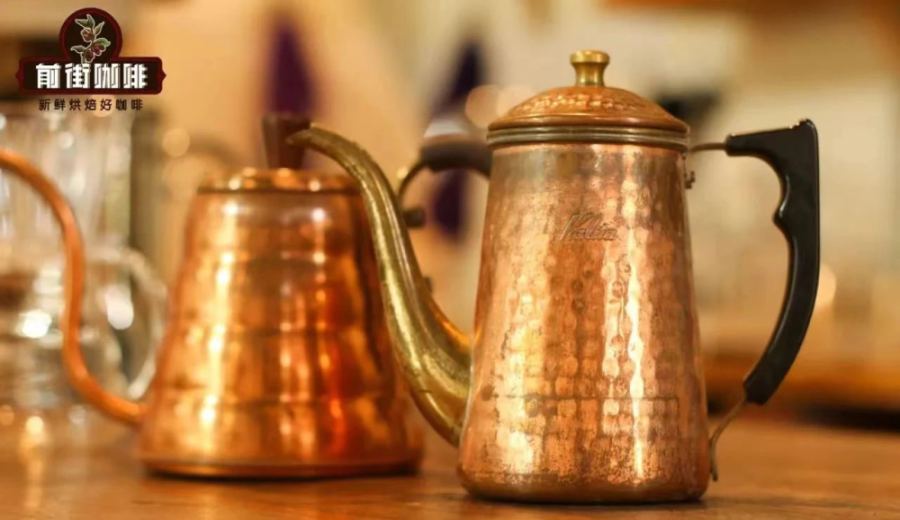
Introduction:To create the perfect coffee setup at home, choosing the right pour over kettle is essential. This article delves into key factors such as temperature control vs non-temperature control, spout shape, kettle capacity, handle design, and material differences to help you avoid common buying mistakes and easily find a kettle that suits your brewing habits. Whether you’re a beginner or an advanced user, you’ll gain practical advice here—paired with a curated coffee bean flavor sequence—to elevate your overall brewing experience.
Setting up a comfortable coffee corner at home often hinges on having a well-designed pour over kettle, which can make or break your brewing experience. With so many options on the market—from temperature control features, spout designs, kettle capacities, ergonomic handles, to different material properties—each detail affects water flow stability and ease of use. This article will systematically analyze how to choose the right kettle from multiple angles, helping you make an informed decision based on your needs, and includes a beginner-recommended coffee bean flavor sequence to ensure your gear and beans are perfectly matched.
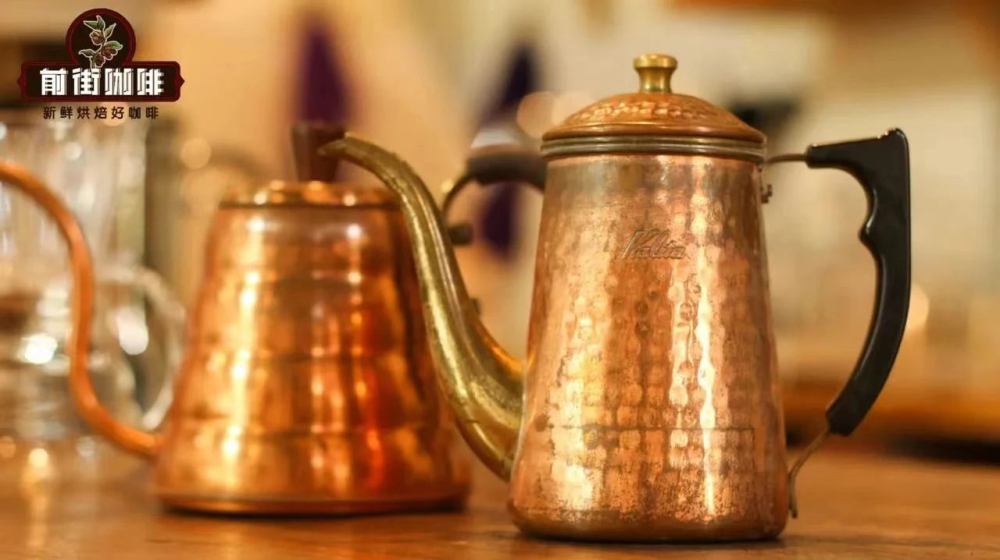
The pour over kettle plays a vital role in the coffee brewing process—like a swordsman’s blade. Choosing the right kettle allows you to precisely control the water flow and achieve stable extraction.
A kettle that matches your personal usage habits can significantly reduce the difficulty of controlling water flow, especially for beginners. Picking the right kettle makes it easier to brew coffee with ideal flavors. Next, we’ll explore several key elements that should not be overlooked when selecting a pour over kettle.
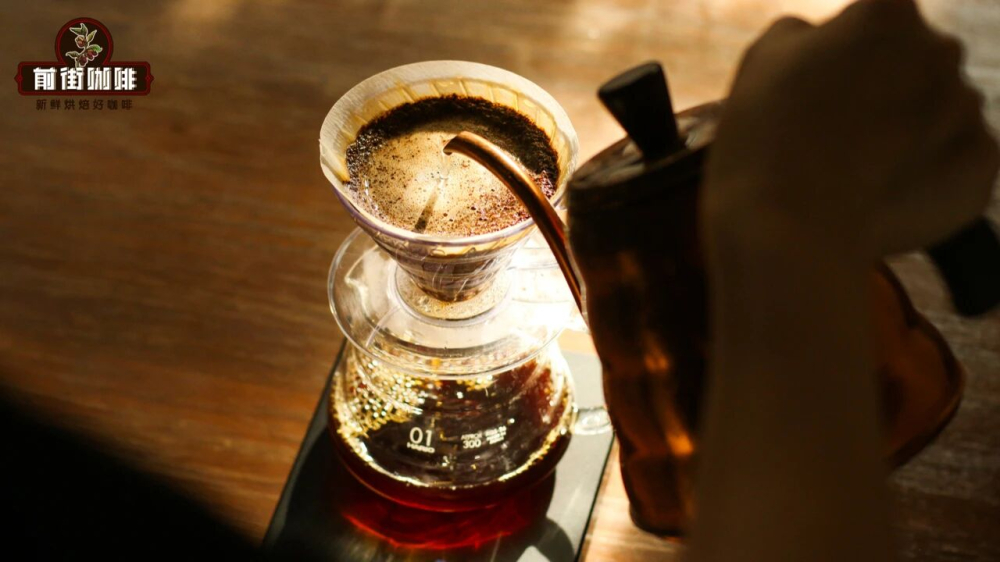
Temperature Control vs Non-Temperature Control: How to Choose?
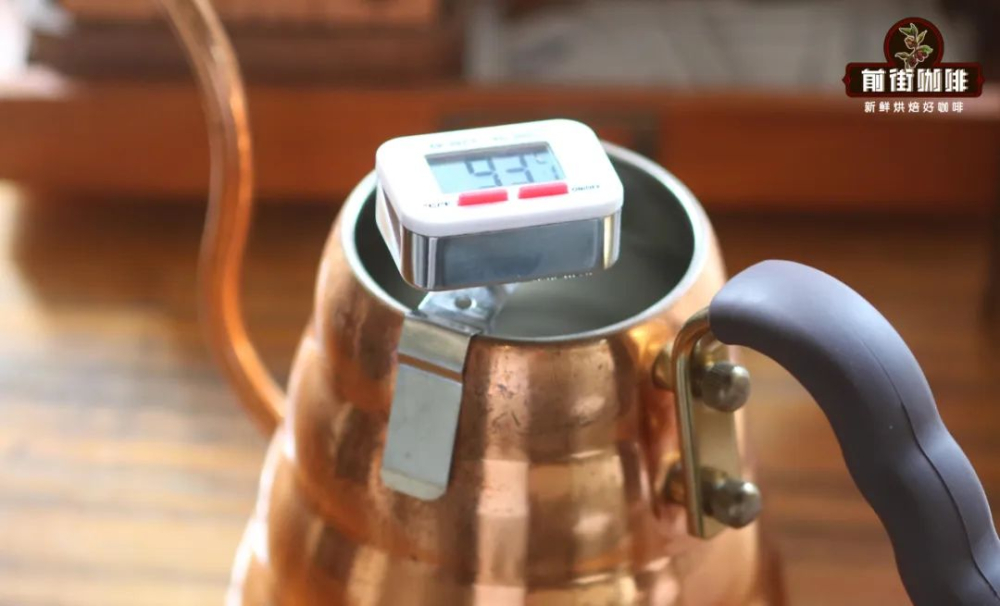
The first consideration when buying a pour over kettle is whether to opt for a temperature-controlled or non-temperature-controlled model. Non-temperature-controlled kettles usually lack a heating module, making them more affordable. Most brands offer them as entry-level options, suitable for users who already have a water heating device at home, but you’ll need to use a thermometer to monitor the water temperature.
The advantages of temperature-controlled kettles are clear: they feature heating and temperature maintenance functions, allowing you to set and sustain your desired water temperature. Not only are they convenient to use, but they also prevent the water temperature from dropping between brews. However, due to the added temperature control components at the base, these kettles are generally heavier, with a lower center of gravity, and are about 300 yuan more expensive than non-temperature-controlled versions.
In summary, if you don’t brew often or want to keep costs down, a non-temperature-controlled kettle is plenty practical. But if you value convenience and brew frequently, a temperature-controlled kettle is the better choice.
Spout Design Affects Water Flow Control
The shape of the spout directly influences the form and impact force of the water stream. Common types include narrow gooseneck, wide gooseneck, as well as crane beak, eagle beak, and flat spouts. Different spout designs not only alter the thickness and stability of the water flow but also determine ease of use and available maneuvering space.
For beginners, it’s recommended to start with a narrow spout kettle. Though the water stream may appear thin, its impact isn’t weak, and it’s easy to manage with relatively stable direction, making it suitable for practicing basic pouring techniques. However, its limitation is the inability to produce large water flows, offering fewer brewing variations.
Compared to narrow spout kettles, wide spout kettles present a noticeably higher difficulty in water control, requiring more practice and experience to stabilize the stream. But once mastered, they become highly versatile—you can flexibly adjust water flow and experiment with various brewing methods, such as the advanced “drip method,” making them an excellent choice for those beyond the beginner stage.
The crane beak kettle features a specially designed spout that is wide and resembles a crane’s head when viewed from the side—hence the name. Although it’s a wide spout design, the presence of a multi-hole water deflector at the outlet effectively buffers the water impact, lowering the barrier to control. Even beginners can handle it with ease, making it a popular choice that balances versatility and stability.
The eagle beak kettle, with its downward-extending spout structure, helps create a more vertical water stream during pouring, aiding in precise control of where the water lands. Meanwhile, the flat spout kettle has an opening that’s nearly horizontal and lacks guidance, causing the water path to follow a parabolic trajectory that is harder to control. It takes considerable practice to master this type.
Kettle Capacity and Weight Selection
Kettle capacities typically range from 0.5 to 1.2 liters. When purchasing, consider the actual amount of water you’ll need and opt for a model with about 200 milliliters more than your requirement to allow for operational flexibility and room for error.
Insufficient water volume makes it difficult to form a vertical and powerful water stream, preventing proper stirring of coffee grounds and leading to uneven or insufficient extraction. Therefore, selecting a kettle with an appropriate capacity based on your usual serving size is fundamental to ensuring stable brewing.
Handle Design Impacts Handling Experience
Though seemingly simple, the handle is a key factor affecting operational comfort. Different brands offer uniquely designed handles, and most emphasize “ergonomic design” in their marketing. In truth, a well-designed handle does enhance grip comfort, helps you better manage the kettle’s center of gravity, stabilizes the water flow, and makes the pouring process more effortless and precise.
Material Affects Performance and Appearance
Common materials for pour over kettles on the market include stainless steel, copper, and enamel. In terms of cost-performance, stainless steel kettles are not only affordable and durable but also easy to maintain, making them the top choice for most users.
If performance is your priority, copper kettles are a great option, offering excellent heat retention and a premium feel, though they come with a higher price tag. For those who value aesthetics, enamel kettles boast an artistic vibe with outstanding visual appeal—but they must be handled with care to avoid breakage.
Beyond choosing the right kettle for yourself, fresh, high-quality roasted coffee beans are equally indispensable. Beginners are advised to try the following flavor sequence: a certain brand’s Yirgacheffe with jasmine and citrus notes, a certain brand’s Costa Rica with sweet orange and nutty notes, a certain brand’s Yunnan small beans with herbal and plum notes, a certain brand’s Brazil Cerrado with creamy and nutty notes, a certain brand’s Colombia Huila with dark chocolate and caramel notes, and a certain brand’s Indonesia Mandheling with spicy and herbal notes—progressively exploring the unique charm of different growing regions.
The above content is compiled by CoffeeHunters, a coffee news website.


