







Introduction:High-profile incidents of exorbitant bills at Italian tourist attractions—from two coffees costing €60 to being charged for heating a baby bottle—have sparked heated discussions among both travelers and locals. This article delves into the reasons behind these controversial charges, examines pricing strategies in tourist-heavy areas, and offers practical advice for travelers spending money in Italy, helping you avoid price traps and enjoy reasonably priced, quality coffee and cuisine.
This summer, several well-known Italian tourist destinations have been rocked by jaw-dropping restaurant bills, triggering widespread discussion on social media. One particularly notable case involved a bill for “two coffees and two glasses of water” that came to €60 at a restaurant in Sardinia, which quickly became the center of public attention. The restaurant owner explained that prices were clearly displayed, and cited one reason for the high cost as the opportunity for diners to enjoy views of luxury yachts moored at a nearby port.
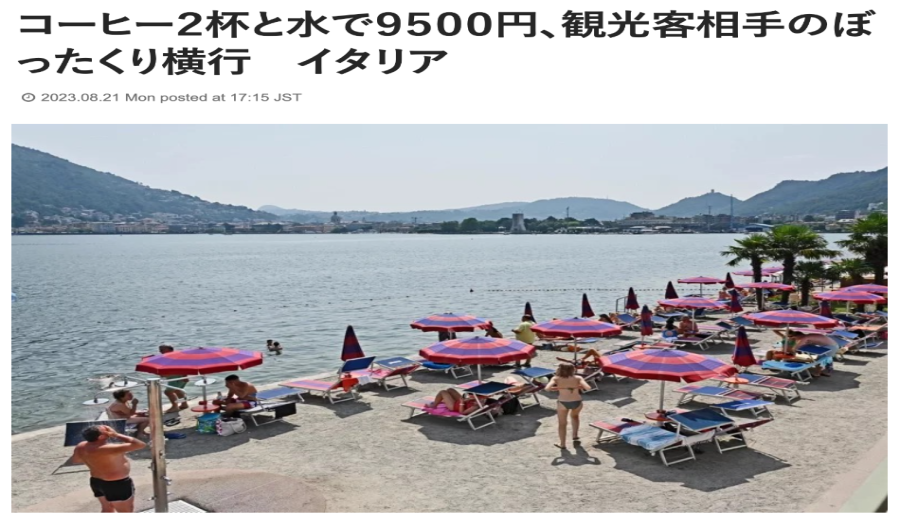
Such sky-high charges are not isolated incidents. The UK’s Daily Mail reported that a bar receipt from Lake Como included a line item for “€2 for slicing a sandwich.” Originally priced at €7.50, the sandwich’s total came to €9.50 after being sliced. The establishment stated that this was due to the use of additional utensils and napkins, as well as hand-delivery, classifying it as an “extra service.”
Similar controversies continue to emerge. Travelers have noted that in Portofino, a popular spot in northern Italy, simply asking for an empty plate could result in an extra €2 charge. In cafés around Lake Como, adding cocoa powder to a cappuccino may incur an additional €0.10, as it is not a local custom. Additionally, a mother vacationing near Rome in Ostia mentioned that she was charged €2 for having a baby bottle warmed in the microwave.
These cases reflect a clear trend of price inflation in some of Italy’s most popular tourist zones. According to statistics, prices in certain areas are even higher than those at other Mediterranean travel destinations.240%This has led many local residents to opt for vacations abroad during the peak summer season, choosing countries with relatively lower costs of living such as Albania and Montenegro.
Interestingly, even Italian Prime Minister Giorgia Meloni could not avoid being drawn into the controversy, despite choosing to spend her holiday in Albania this year. It was reported that during a banquet with Albanian President Edi Rama, she learned of an incident in the town of Perati where tourists were suspected of “dining and dashing.” Surveillance footage showed four individuals, believed to be Italian, who consumed €80 worth of food and drinks but left without paying.
After the incident came to light, Prime Minister Meloni immediately instructed the Italian ambassador in Albania to handle the matter. Ultimately, the embassy covered the approximately €80 bill and called on citizens to “follow the rules and repay their debts,” hoping to prevent similar incidents from damaging the country’s image.
Beyond highlighting the controversial pricing strategies in tourist areas, these events also serve as a reminder for travelers to stay vigilant about dining expenses in Italy. For example, always check whether menu prices include service charges before ordering, and inquire in advance whether additional services—such as cutting food, adding ingredients, or heating items—will incur extra fees. Moreover, opting for cafés or restaurants with clearly displayed prices and good reviews can also help avoid unnecessary disputes.
For coffee enthusiasts, Italy is traditionally a haven for savoring authentic espresso and a variety of flavorful beans. However, given the pricing strategies at some tourist spots, it is advisable to seek out hidden gem cafés recommended by locals—often offering equally high, if not superior, coffee experiences at more reasonable prices.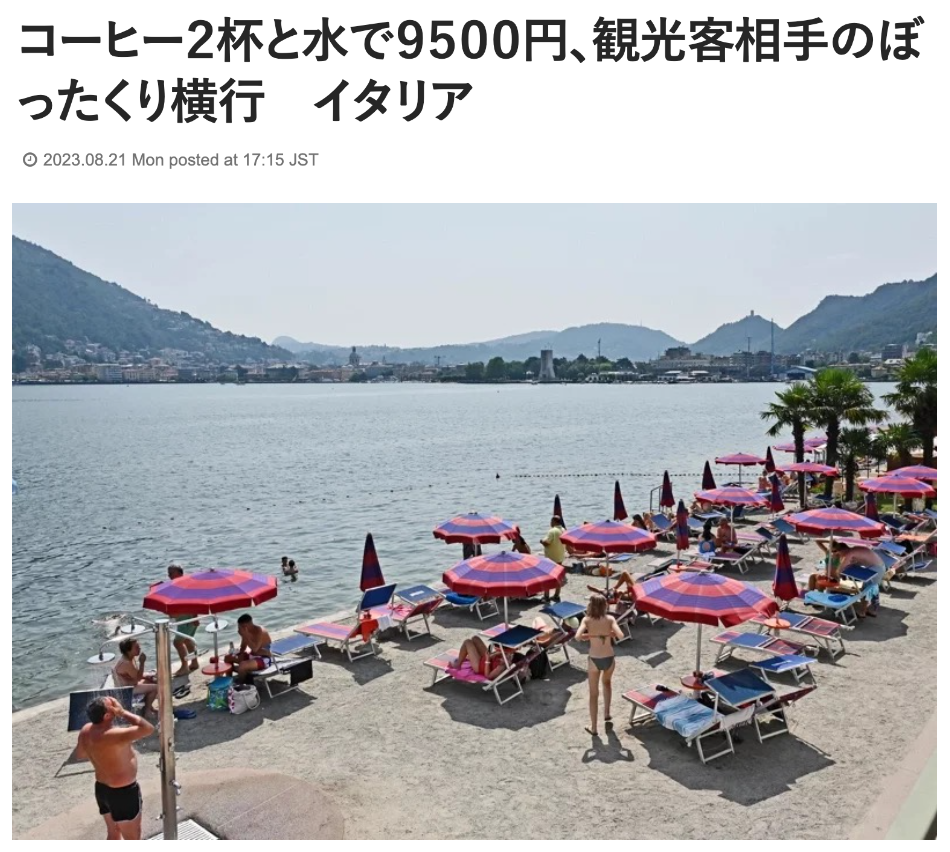
In summary, while the high bills at Italy’s tourist hotspots may grab headlines, they also reflect the complex balancing act between off-peak and peak seasons, the makeup of tourist demographics, and service costs. By doing a bit of research in advance and familiarizing yourself with local consumption culture and common fee structures, travelers can enjoy Italy’s culinary and coffee offerings while steering clear of becoming the next victim of a “sky-high bill.”
The above content is compiled by CoffeeHunters, a coffee news website.


