







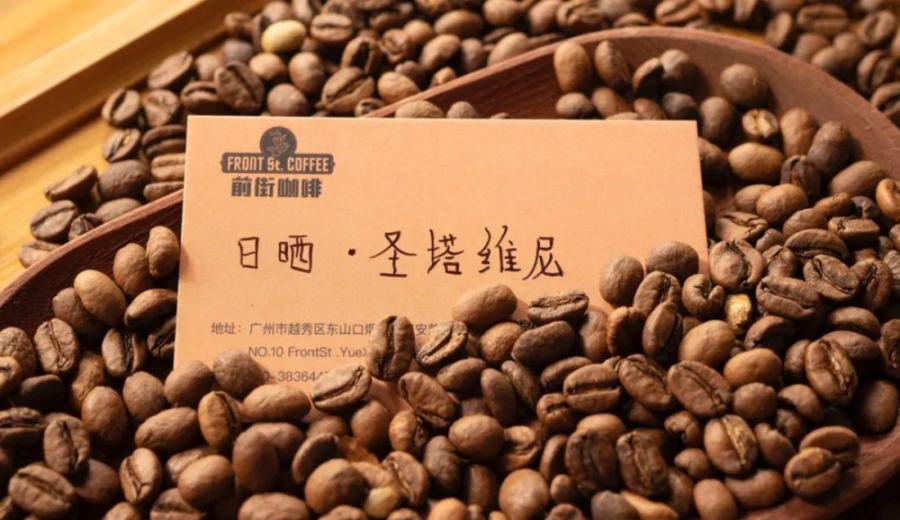
Introduction:This 74158 coffee bean from the Santa Vini washing station in Ethiopia's Sidamo region is renowned for its fully red cherry natural processing method. Grown at an altitude of 2050 meters, its high-altitude cultivation imparts intense tropical fruit characteristics. This article not only explores its layered flavors of pineapple, mango, blueberry, and sweet orange, but also delves into the processing technology background of DWD Company, and provides professional V60 brewing parameters to help you master the key techniques for flavor reproduction.
The Santa Vini washing station in Ethiopia's Sidamo region has recently gained recognition in the specialty coffee world for its 74158 variety coffee beans. These beans are processed using the fully red cherry natural method, grown at an altitude of 2050 meters on the plateau, and belong to the extremely rare G1 grade. Its most notable feature is the distinct aroma of tropical fruits such as pineapple, mango, blueberry, and sweet orange evident in cupping, with a prominent sweetness and well-defined layers.
Key Processing Technique: Fully Red Cherry NaturalThe process is the core reason why these coffee beans have such vivid flavors. Compared to traditional natural processing, the fully red cherry method selects only fully ripe, deep red coffee cherries, ensuring a concentration of sugars and flavor compounds. In Sidamo’s stable annual temperatures and significant day-night temperature variations, the slow maturation at an altitude of 2050 meters, combined with at least two weeks or more of sun drying, allows the natural sugars in the pulp to fully penetrate the seeds, creating a unique sweet and mellow base.
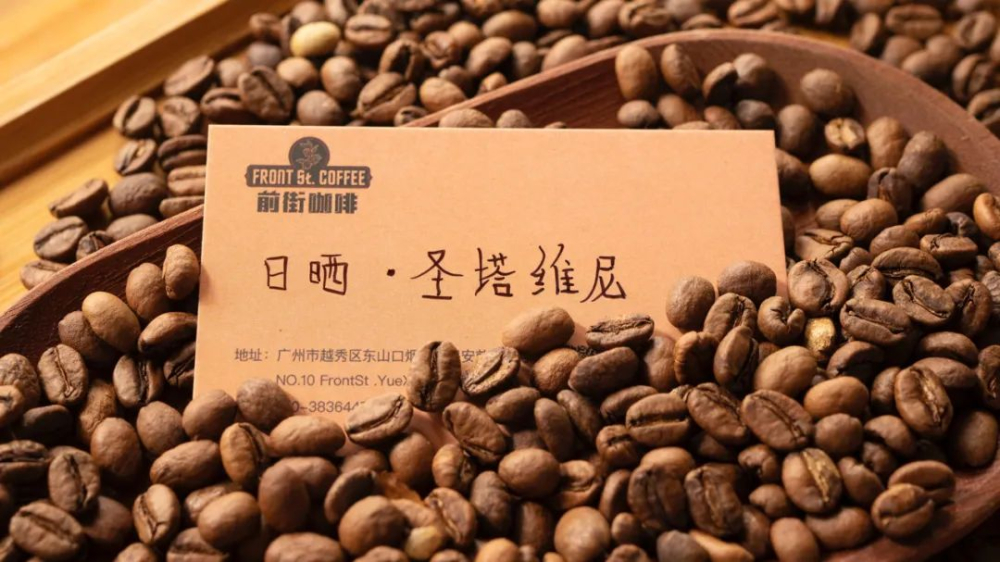
These coffee beans can be traced back to DWD Company, a well-known Ethiopian processing and exporting firm. The company is not only responsible for green bean processing but also directly involved in international export operations. According to statistics, out of Ethiopia’s annual coffee exports of about 100,000 tons, DWD Company carefully selects 5,000 tons of high-quality green beans, ensuring consistent quality through a rigorous screening mechanism. It operates 17 processing plants in the Sidamo and Yirgacheffe regions, with the Santa Vini washing station being one of the representative sites, focusing on small-batch, high-standard specialty bean production.
For coffee enthusiasts, how can you brew this bean at home to bring out its full flavor? A team from a professional coffee brand has provided specific parameter recommendations: it is suggested to use a V60 filter, with water temperature controlled at92℃, a coffee dosage set at15 grams, and extracted at a1:15 coffee-to-water ratio. For grind size, it is recommended to choose something similar to fine sugar, roughly around 80% extraction through a #20 sieve, which allows for full flavor release while avoiding over-extraction bitterness.
During actual brewing, you can start by pouring a small amount of hot water to bloom, awakening the aroma of the coffee grounds, then gradually add water while maintaining an even extraction rhythm. Paying attention to stable water temperature and even pouring is key to reproducing the aromas of blueberry and sweet orange, as well as balancing acidity and sweetness. If you prefer a stronger fruit profile, you can slightly increase the water temperature to 93°C, but you’ll need to adjust the grind size accordingly to avoid over-extraction.
In summary, this Ethiopian Sidamo Santa Vini 74158 coffee bean, with its unique fully red cherry natural processing technique and high-altitude growing conditions, achieves a sweet and layered tropical fruit flavor. Whether you’re a coffee novice or an advanced enthusiast, mastering the correct brewing parameters will allow you to easily recreate a professional-level cupping experience at home.
The above content is compiled by CoffeeHunters, a coffee news website.


