







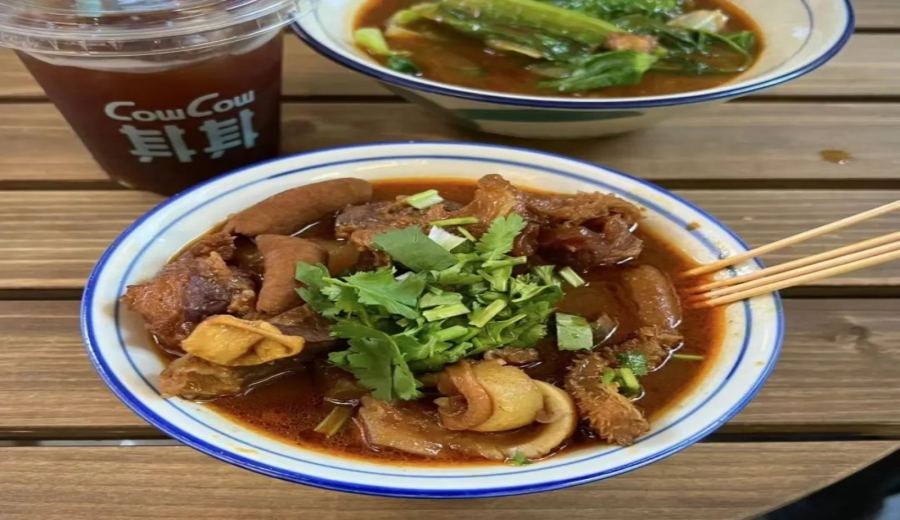
Introduction:In recent years, it has become a growing trend for cafes to cross over into offering local street snacks. From meat pies and beef offal to stinky tofu—street foods that seem unrelated to coffee—these items have gradually made their way onto café menus. This “coffee + snack” combination not only breaks traditional business thinking but has also emerged as an innovative strategy for shops seeking differentiation. This article delves into the market motivations, consumer demands, and long-term operational strategies behind this model, providing practical insights for café operators.
In recent years, incorporating local specialty snacks into café menus is no longer a rare phenomenon. Whether it’s the commonly seen street food like meat pies and beef offal or the more controversial stinky tofu, these foods—which have no direct connection to coffee itself—are increasingly appearing on the menus of more and more coffee shops.
As competition in the coffee market intensifies, many brands face the challenge of high homogenization. The “coffee + snack” combo has thus been regarded as a form of differentiation strategy. Especially in the practical operations of some brands, such attempts have not only expanded consumption scenarios but also brought new possibilities to shop operations.
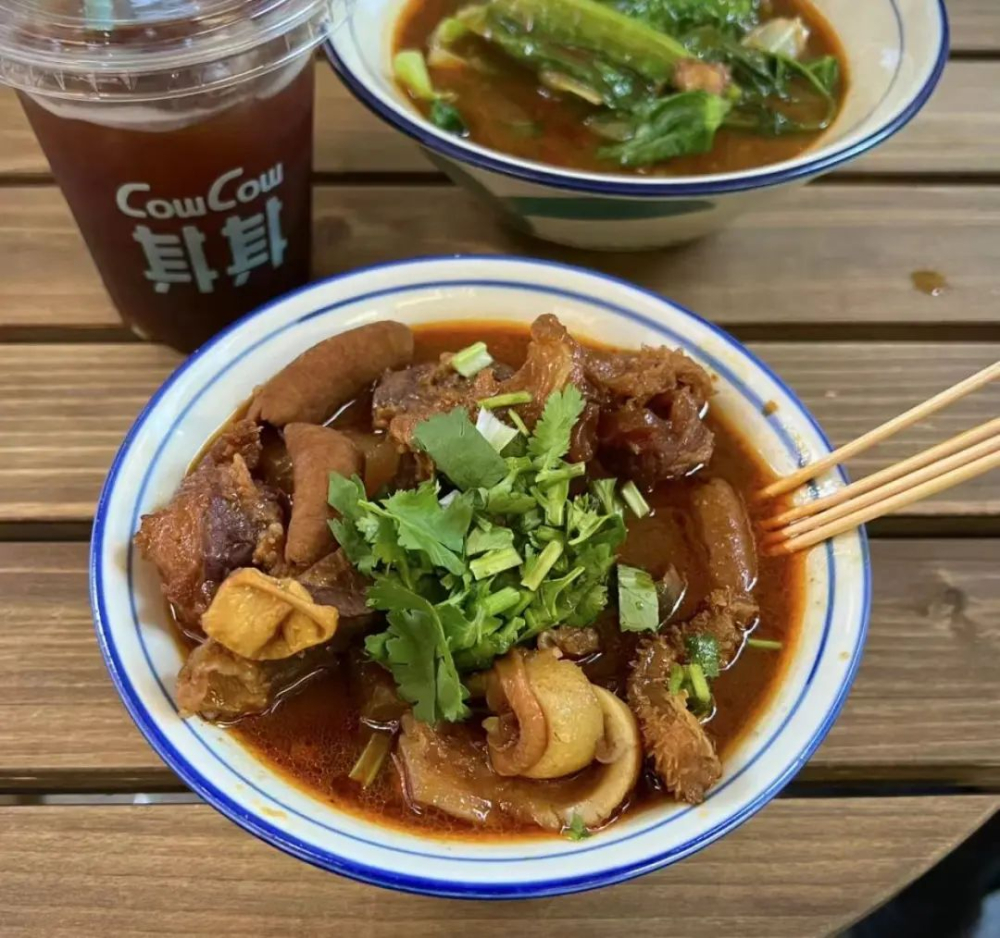
In fact, the question of “what does coffee pair with?” has become a constant topic of exploration for many operators. Beyond the classic desserts and light meals, the range has now extended to unconventional choices such as meat pies, beef offal, and even stinky tofu. Behind such combinations lies the market’s craving for freshness and diverse consumption experiences.
From a market perspective, coffee has long been one of the most talked-about beverage categories in recent years. Not only have international chain brands accelerated their expansion, but domestic brands have also sprung up like mushrooms after rain. Against this highly competitive backdrop, seeking differentiation has become an important issue for every café.
Generally speaking, peak coffee consumption times are concentrated in the morning and afternoon, closely aligned with the daily routines of office workers and students. In contrast, the consumption periods for local snacks are more flexible, covering almost all times of the day. Combining the two not only extends service hours but also meets consumers’ need for an “all-in-one” solution for breakfast, snacks, or light meals, thereby improving purchase convenience.
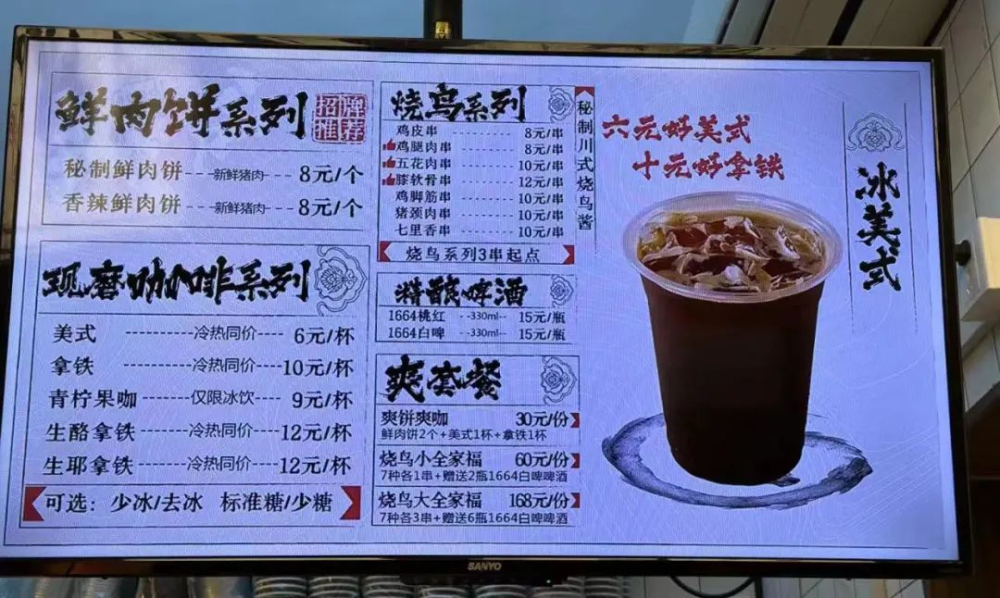
However, for the “coffee + snack” fusion model to sustain long-term development, the key lies in whether it truly meets consumers’ practical needs, rather than relying solely on novelty to attract attention. If it is only aimed at creating buzz or generating short-lived social media effects while neglecting the product’s inherent character and customer experience, it will be difficult to build a stable customer base.
The experiments of some brands in product combinations and store operations provide some valuable lessons. For example, when selecting pairing snacks, it is important to consider whether their flavor intensity interferes with the original taste of the coffee and whether they align with the dietary habits of local customers. Additionally, the preparation efficiency and storage methods of the snacks are also crucial factors that influence the overall customer service experience.
Overall, “coffee + snack” is not just a marketing tactic but also a response to market demand. By planning product combinations and consumption scenarios from the consumer’s perspective, this model has the potential to stand out in a fiercely competitive market and become a long-term niche advantage for the brand.
The above content is compiled by CoffeeHunters, a coffee news website.


