







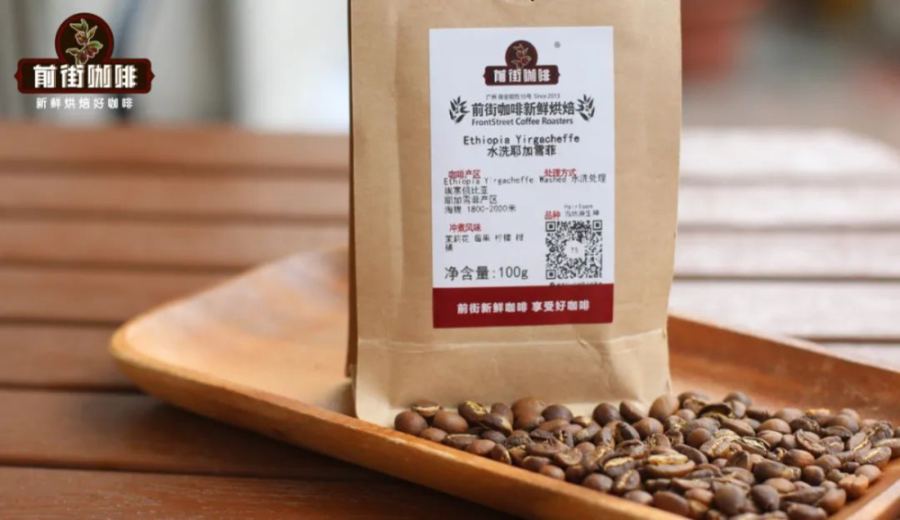
Introduction:Have you ever ordered a cup of Yirgacheffe at a specialty coffee shop and tasted its bright lemon acidity and citrus notes, wondering why this coffee bean is commonly roasted light? This article delves into how light roasting affects the flavor profile of coffee — from the timing of first and second cracks, bean density, and regional characteristics — explaining why Yirgacheffe is well-suited to light roasting, and how roasters balance flavor expression with even bean development, helping you better understand the cup in your hand.
In recent years, an increasing number of specialty coffee shops in smaller cities or non-tier-one urban areas have started offering Yirgacheffe from Ethiopia. This coffee often features a refreshing lemon and citrus acidity, and sometimes even a hint of floral aroma, which is quite different from the strong, dark-roasted coffee that the public was once more familiar with. With the growing promotion of specialty coffee culture, these bright, fruity-acidic coffees have gradually gained popularity among younger consumers. But you may also have wondered: why is Yirgacheffe mostly light roasted? And how does light roasting create these unique flavor profiles?
In fact, light roasting isn’t specifically designed to highlight citrus or lemon notes, but rather, this level of roasting allows those aromatic traits to emerge more naturally. The degree of coffee roasting, particularly the period from first crack to second crack, directly impacts the final acidity, aroma intensity, body, and the balance of bitterness.Generally speaking, light-roasted coffee tends to emphasize fruity acidity, floral notes, and high-toned aromas, while medium-dark or dark roasts enhance caramel, chocolate, and nutty richness, while reducing acidity.
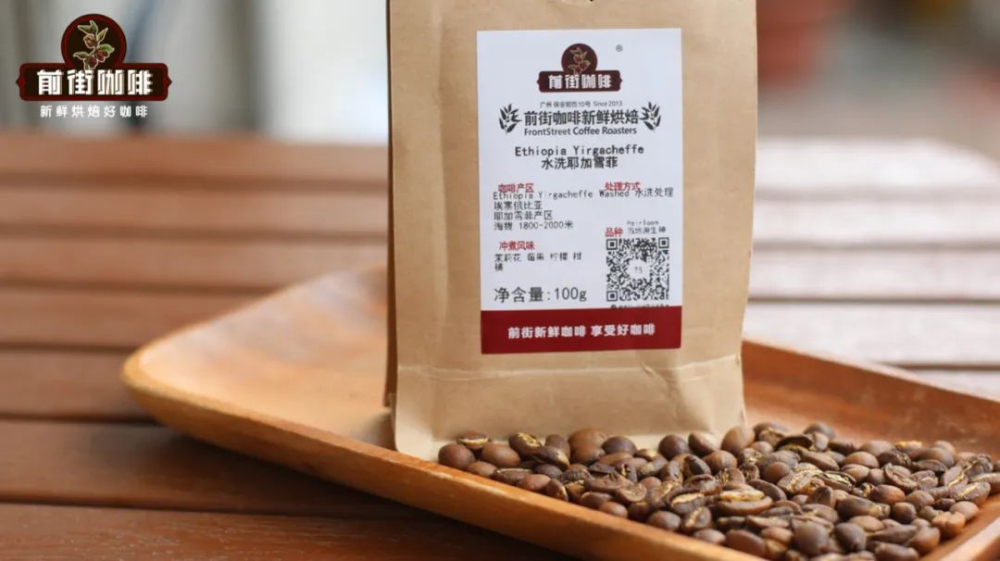
Looking back, many people’s first impression of coffee is still that of a dark, bitter drink that needs sugar and milk to be palatable. However, with the expansion of the specialty coffee market, these coffees with gentle fruit acidity and layered flavors have gradually entered the public eye, and Yirgacheffe is one of the most representative examples. Its acidity is not only pronounced but also carries a certain elegance. Compared to traditional dark roasts like Mandheling, it feels much more refreshing and refined, especially appealing to consumers who prefer a clean and bright taste.
We often describe the flavor of Yirgacheffe using terms like lemon, citrus, or even grapefruit, descriptors that are also common for medium-light roasted beans. Scientifically, these aromas mainly come from certain volatile organic compounds, such as decanol, n-hexanol, vinyl formate, and 3-methyl-2-buten-1-ol.These substances are particularly prone to being released during light to medium-light roasting, thereby shaping the familiar citrus-forward flavor profile we know.
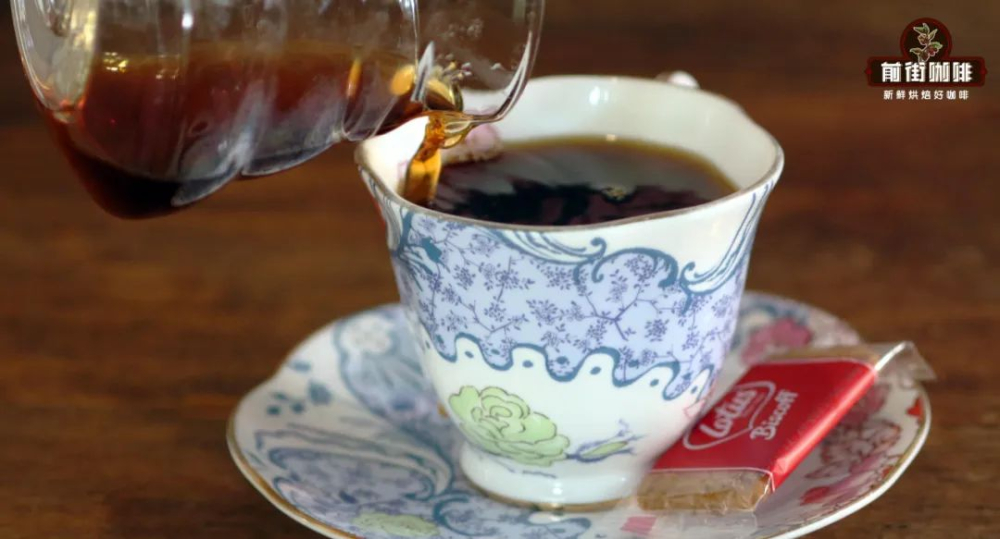
If you take a closer look at the roasting process, you’ll find that “first crack” and “second crack” are two key milestones. Taking a commonly used commercial roaster as an example, coffee beans usually reach about 183°C when first crack begins, andwhen the temperature reaches around 191°C upon dropping, it is generally categorized as a medium-light roast; continuing to heat up to 193–195°C moves it into a medium roast; if extended for another 20–30 seconds to reach 197–202°C, that signals the start of second crack, placing it in the medium-dark or dark roast range.These slight differences in temperature and time, though seemingly minor, can lead to significant variations in final flavor due to the differences in internal heat conduction reactions of the beans.
In simple terms, during light roasting, acidity is the first flavor element to stand out, followed by aroma, body, and finally bitterness. Therefore, if you want a cup of coffee with prominent acidic tones, strict control over roast level is essential — it must not be too deep, or rather, “must not be deep at all.”
However, the final outcome of a coffee bean is not only influenced by roasting, but also closely related to the condition of the green beans themselves, including size, shape, density, and moisture content. For example, beans grown at higher altitudes typically grow more slowly, have higher density, and greater moisture content, all of which mean they require more heat and more precise control during roasting. Additionally,the uniformity of bean size also affects the consistency of roasting across a whole batch. Beans of varying sizes, under the same heat source, absorb heat differently, easily resulting in some being over-roasted or underdeveloped.
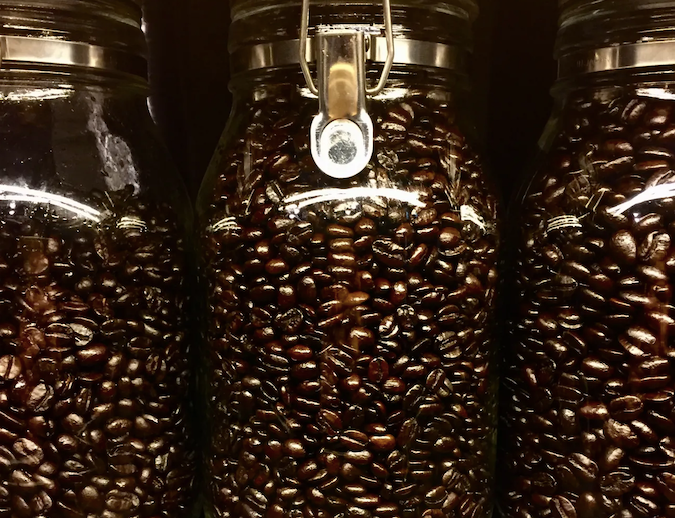
Yirgacheffe from Ethiopia is a prime example of such challenges. The coffee beans from this origin mostly belong to the so-called “Heirloom” heirloom varieties, which come in a wide range of types, vary significantly in size, and even differ considerably in shape. This makes it challenging during roasting — if a traditional slow and steady approach is used to pursue visual uniformity and better body, the most captivating fruity acidity and aromatic characteristics of the beans may be sacrificed.
Some roasters may opt for “slow roasting” to achieve visual uniformity and stable roast performance, but the trade-off may be a dilution of flavor complexity. Like a slow-simmered Cantonese herbal soup, gentle cooking might yield a clear broth, but could also render the underlying aromas dull. As a result, roasters often have to make a trade-off between “visual consistency” and “flavor expression.”
In addition, many coffee blends use Yirgacheffe as a base bean, often paired with beans from other regions that are larger in size, higher in density, to compensate for its body and layering. However, it’s worth noting that even within what’s termed “medium-light roasting,” larger beans from the Americas typically still require a slightly darker roast than Ethiopian beans to fully express their potential. This is not because they are unsuitable for light roasting, but due to differences in bean structure and density.

In summary, the reason light roasting can highlight the bright citrus, lemony acidity, and floral aromas of Yirgacheffe is not simply because the beans “prefer” this method, but because this roast level happens to unlock the rich aromatic compounds accumulated under specific altitude and varietal conditions. If roasted darker, although a fuller body might be achieved, it could easily mask the bean’s most enchanting lively acidity and layered aromas. For coffee enthusiasts, understanding the roasting logic behind it will undoubtedly allow you to better appreciate the unique qualities of each cup.
The above content is compiled by CoffeeHunters, a coffee news website.


