







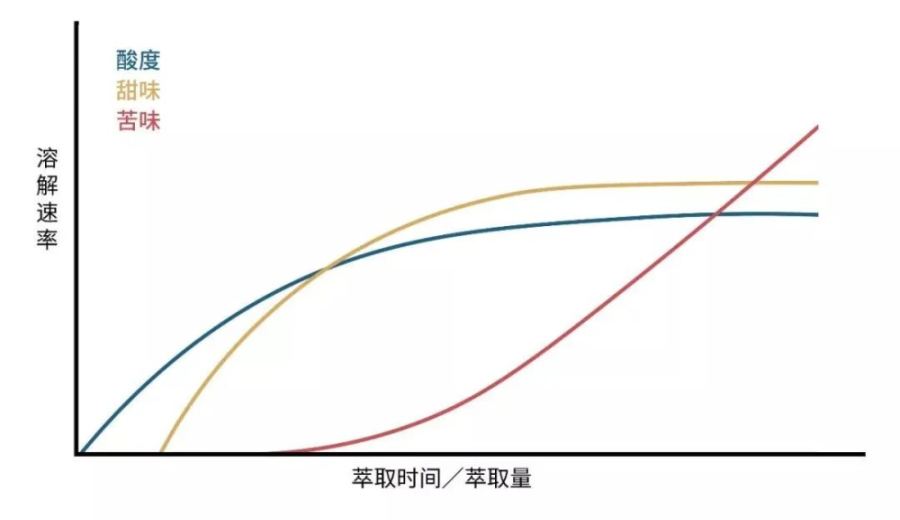
Introduction:During the pour over process, knowing when to stop pouring water is a crucial factor that affects the flavor of the coffee. This article takes an in-depth look at the concept of “cut-off” (截流), explains its application in different pour over techniques, and explores how adjusting the pour interruption point can optimize extraction. Whether you’re a beginner or an advanced brewer, you’ll find practical tips to improve the consistency and flavor performance of your pour over coffee.
In the world of pour over brewing, cut-off (also known as water break or stopping the pour) is a key yet often misunderstood technique. Simply put, it refers to the act of intentionally stopping the flow of water before extraction is fully complete, in order to control overall brew time and flavor balance. The importance of this technique largely depends on the pour over method you’re using and the flavor profile you aim to achieve.
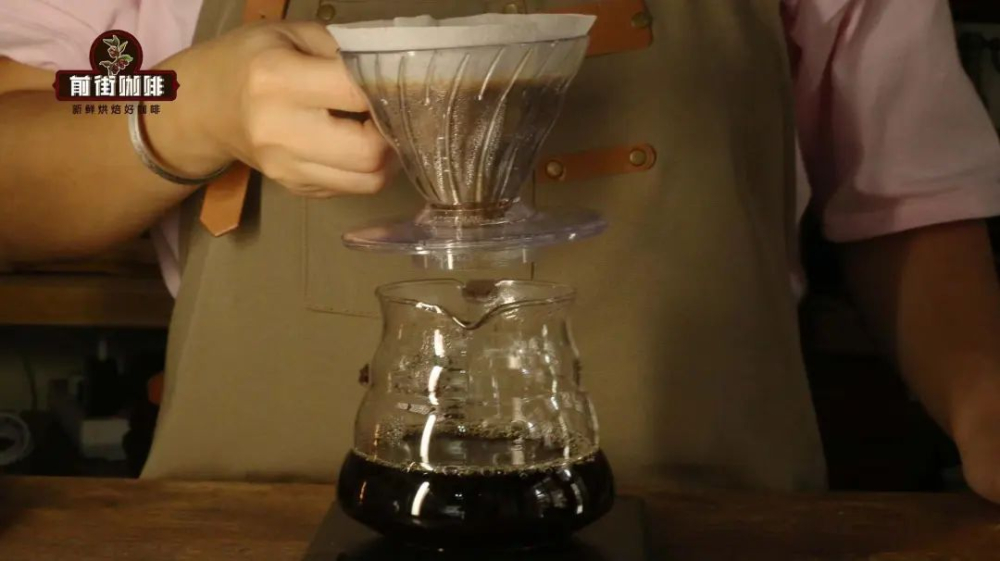
What is cut-off?In practice, cut-off means that when you feel enough flavor compounds have been extracted, you choose to lift the kettle away from the filter cone at a predetermined time to prevent excessive water from continuing to drip through. This helps avoid over-extraction and reduces the amount of unwanted impurities or bitter flavors in the final cup.
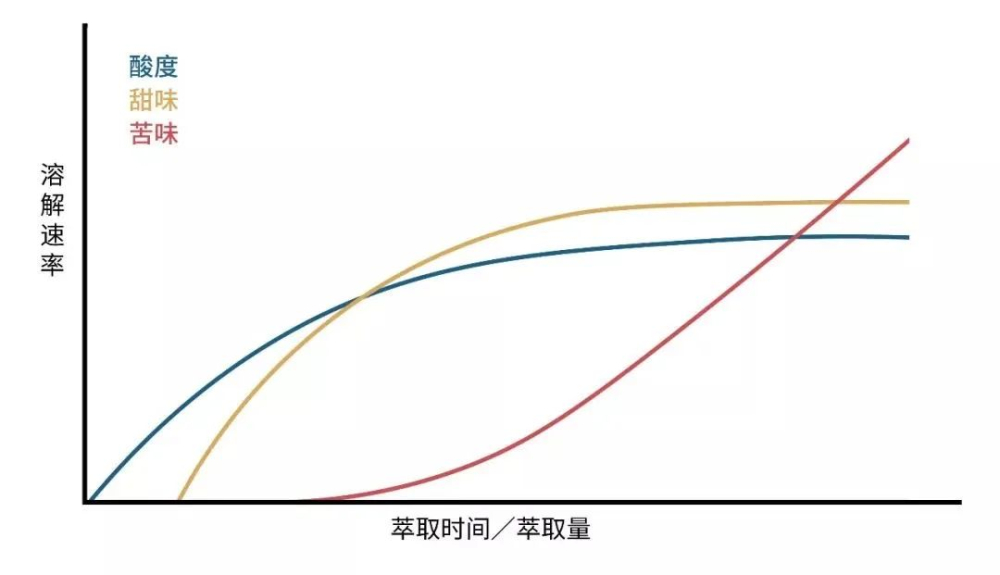
Whether or not to perform a cut-off, and exactly when to do so, varies depending on the pour over method. For example, fans of the AeroPress-style three-pour method might start observing the dripping rate after the second or third pour and decide whether to cut off early based on conditions. In contrast, those who prefer a center pour with a slow, steady stream may allow all the water to drip through without manual interruption.
Common pour over methods and their relationship to cut-off
For instance, when using a V60 filter cone with high-flow paper, the water flows relatively quickly. Without timely cut-off, the total brew time may become too short, leading to under-extraction, resulting in a thin and one-dimensional cup lacking complexity. In such cases,it’s recommended to consider cut-off when the total pour time reaches between 1 minute 30 seconds and 2 minutes,depending on the dripping speed and concentration performance.
On the other hand, when using a flat-bottomed, multi-hole filter like the Kalita Wave, the outflow speed is relatively slower, and the overall brew time is naturally longer. Therefore, the timing for cut-off may need to be delayed, typically waiting untilthe total brew time approaches 2 minutes 30 seconds to 3 minutes,before deciding whether to interrupt the pouring process based on the taste texture of the coffee.
How to determine the right time for cut-off?
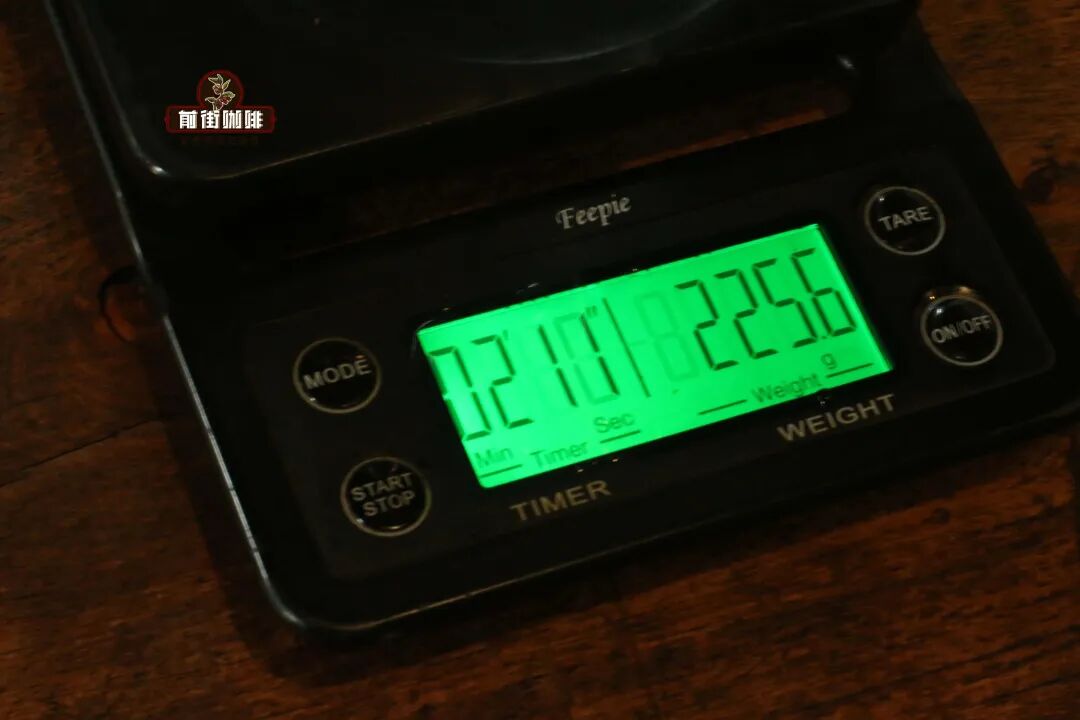
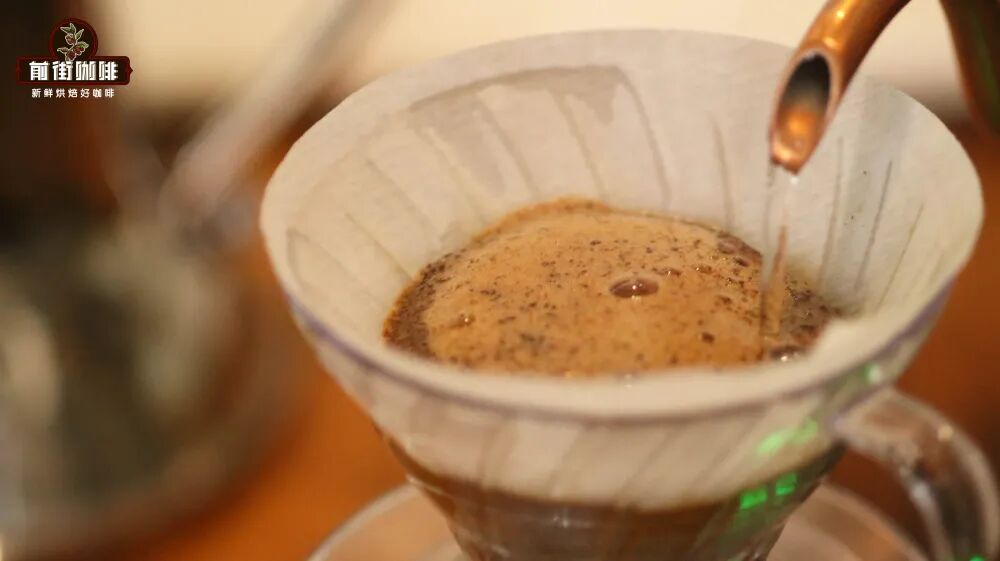
For beginners, judging when to cut off can be somewhat challenging, but you can start with the following indicators: First, observe the dripping speed. If the flow has noticeably slowed down and the brew time has exceeded 1 minute 50 seconds, you can begin evaluating whether a cut-off is needed. Second, sniff the wet aroma and observe the coffee bed—when the coffee grounds have spread evenly and no longer release strong aromas, it may indicate that most soluble substances have already been extracted.
Furthermore, you can also conduct small test brews, recording the total pour volume, time, and flavor outcome each time, gradually establishing your own reference points for cut-off. This method of accumulating experience is very helpful for improving the consistency of your pour over technique.
The actual impact of cut-off on flavor
Appropriately performing a cut-off can effectively prevent over-extraction, reducing the release of tannins and impurities in the coffee, thereby making the acidity brighter and the sweetness more pronounced. Conversely, if you cut off too early, the coffee may end up under-extracted, tasting flat and lacking depth. Therefore, finding the right cut-off point for your specific brewing setup is a crucial aspect of flavor adjustment.
Additionally, cut-off can help manage concentration. If you want a cleaner, less heavy mouthfeel, cutting off earlier can reduce the total amount of water passing through the coffee bed, thus lowering the TDS (Total Dissolved Solids) and resulting in a lighter-bodied cup.
Practical advice and common misconceptions
When learning the cut-off technique, there are several common mistakes to watch out for. The first is over-pursuing a “precise time”—in reality, factors like coffee bean grind size, origin characteristics, and roast level all influence the optimal extraction time. It’s better to focus on observation and tasting rather than sticking rigidly to fixed seconds. Secondly, don’t cut off too early simply out of fear of over-extraction, as you might miss out on the mid-palate sweetness and body of the coffee.
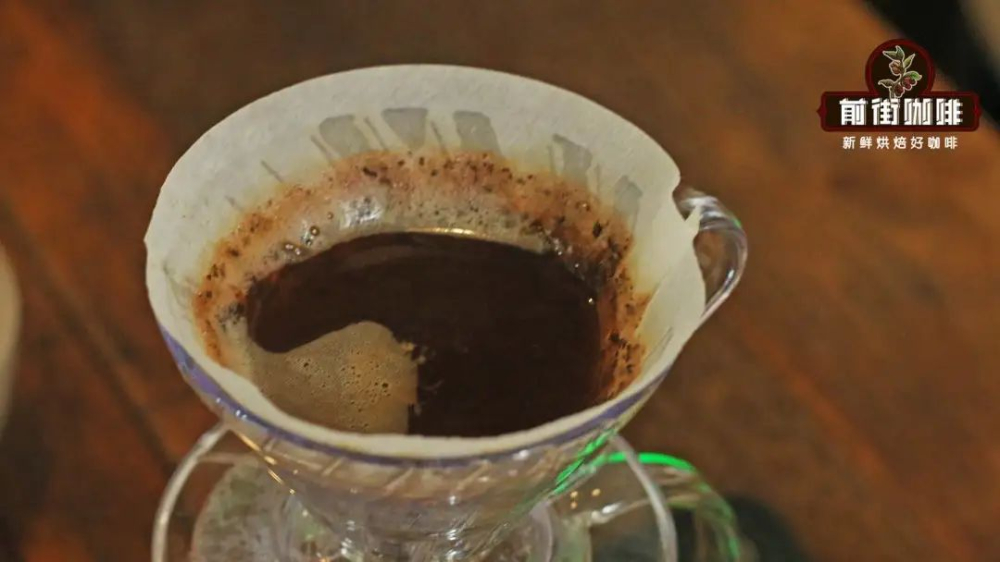
Also, some brewers have the habit of letting the filter cone sit for a while after pouring finishes, waiting for all the water to drip out. This is actually still part of the extraction process and should not be seen as a failed cut-off. A true cut-off occurs at the moment you actively decide to stop pouring—not solely by relying on natural dripping.
In summary, there is no absolute standard for the cut-off timing in pour over coffee. However, understanding its principles and its relationship with different brewing methods can help you adjust your brewing strategy more flexibly. Whether you’re new to pour over equipment or an experienced coffee enthusiast, you can find the cut-off point that best suits your taste through observation, experimentation, and record-keeping—letting each cup of pour over coffee showcase its most captivating flavor profile.
The above content is compiled by CoffeeHunters, a coffee news website.


