








Introduction:Latte, cappuccino, and flat white are the three most common milk-based coffees in Italian-style cafes. Though they may look similar, each has its own unique flavor and structure. This article delves into their core differences in terms of cup size, coffee ratio, milk foam layers, and taste, while also addressing the common question: “Can a flat white be served cold?” Whether you're new to coffee or a regular, this guide will help you choose your preferred coffee type more confidently.
In the world of Italian coffee, latte, cappuccino, and flat white are arguably the three most representative milk-based drinks. On the surface, all are espresso paired with milk, but there are subtle yet critical distinctions in cup size, espresso ratio, milk foam thickness, and overall mouthfeel. This article will break down the essential differences among these three classic coffees from four main aspects—cup size, coffee composition, milk foam layering, and taste profile—to help you order with certainty and better understand each drink’s characteristics. We’ll also provide a practical answer to a frequently asked question: can a flat white be made iced?
When it comes to Italian-style milk coffees, many people tend to compare latte and cappuccino, often overlooking the equally popular flat white. In fact, each of these three coffees has its own historical background and preparation logic. Understanding their differences not only improves your ordering accuracy but also allows you to better appreciate the unique charm of each coffee.

First, the name “latte” comes from the Italian word for “milk.” This coffee is made with a double shot of espresso, combined with a large amount of steamed milk and a small amount of milk foam. Due to the high proportion of milk, the overall coffee concentration is relatively diluted, resulting in a smoother taste, which makes it a popular choice for those new to Italian coffee. Not only is the latte approachable, but its diverse latte art also makes it a classic on cafe menus.
As for the “cappuccino,” its name is related to the color of the coffee. When steamed milk is mixed with espresso and then topped with a thick layer of milk foam, the overall hue resembles the dark brown robes traditionally worn by monks, hence the name “Cappuccino.” This coffee is also widely loved, but unlike the latte, the cappuccino is a quintessential traditional Italian drink, especially common in Italy itself.
Finally, the “flat white,” originally called “Flat White,” originated in Australia. When Italian coffee culture was introduced to Australia, local baristas adapted the traditional Italian coffee to local taste preferences through adjustments and innovations, eventually creating this coffee with a more concentrated flavor and thinner milk foam. The standard cup size of a flat white varies slightly by region, but it is now generally considered a representative of small-sized milk coffees, emphasizing the close integration of espresso and milk.

Next, we’ll further compare the essential differences among these three coffees from four key perspectives.
1. Cup Size
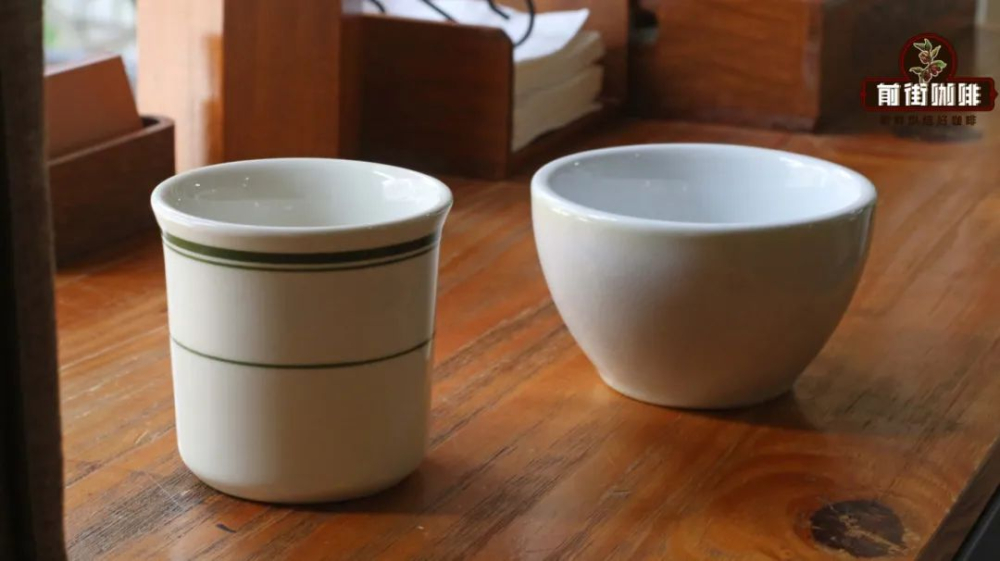
Taking common serving standards as an example, the latte has the largest cup size, typically served in a wide-mouth ceramic cup with about 300 ml capacity. The wide mouth aids in the flow and control when pouring latte art. The cappuccino uses a 240 ml narrow-mouth ceramic cup, which helps concentrate the layers of milk foam and coffee. The flat white also uses a 240 ml cup size, but is often served in a narrow-mouth glass cup to better observe the integration of coffee and milk.
2. Coffee Composition
The standard recipe for a latte is 40 ml of double espresso, paired with about 260 ml of steamed milk and a small amount of milk foam. The cappuccino also uses 40 ml of double espresso, but the milk amount is reduced to about 170 ml, topped with a thicker layer of milk foam. The flat white uses a double espresso extracted from the middle to front part of the shot (about 30 ml), paired with 190 ml of steamed milk and an extremely thin layer of milk foam, highlighting the richness and clarity of the coffee’s inherent flavor.
3. Milk Foam Thickness
Milk foam thickness is a key indicator that distinguishes these three coffees. Among them, the flat white has the thinnest foam, about only 0.3 cm, almost level with the rim of the cup, which is why it’s also called “flat white coffee.” The latte’s foam is about 0.5 cm thick, moderate and smooth, making it very suitable for latte art. The cappuccino has the thickest foam, about 1.5 cm, and the common “11/10 full” style leaves the foam slightly above the rim, creating a visual effect similar to a hamburger layer.

4. Taste Profile
Although all three are milk coffees, the actual drinking experience varies greatly. The latte uses a large amount of milk to soften the intensity and bitterness of the coffee, resulting in a mild flavor with prominent milk aroma, making it ideal for those who prefer a smoother taste. The cappuccino, with its thicker foam, offers a dense and rich mouthfeel, with a relatively strong coffee flavor, suitable for those needing a pick-me-up or who enjoy a thick layer of milk foam. The flat white, primarily using espresso extracted from the middle to front part, has almost no bitterness, paired with a small amount of warm milk, better highlighting the coffee’s natural sweetness and aroma. It has become a favorite among many coffee enthusiasts in recent years.
As for the common question: Can a flat white be made iced? The answer is yes. Although the traditional flat white is usually served hot, many cafes also offer iced flat white (Iced Flat White). The method usually involves mixing the espresso with a small amount of steamed milk first, then adding ice and cold milk to maintain the overall flavor’s richness and balance. However, since iced drinks can dilute some of the flavors, it’s recommended to use freshly extracted espresso for the best taste.

In summary, latte, cappuccino, and flat white each have their own distinctive characteristics. Whether you prefer a smooth taste, rich foam, or the sweet aroma of pure coffee, you can find your favorite among these three classic milk coffees. Next time you step into a cafe, use these details to choose the cup that suits your taste best.
The above content is compiled by CoffeeHunters, a coffee news website.


