








Introduction:Have you ever noticed different names on coffee bean packaging or in-store menus—such as origin, region, processing facility, cooperative, or even estate? These seemingly complex classifications actually each carry distinct meanings and directly influence the flavor and quality of the coffee. This article will break down the origins and differences of these terms in an easy-to-understand way, helping you choose and appreciate each coffee more precisely.
In the world of specialty coffee, when you browse a café’s coffee menu or look at coffee products online, you’ll often come across a variety of names, such as “Yirgacheffe,” “Panama Finca La Esmeralda,” or “Guatemala Huehuetenango Cooperative.” Behind these names lies a systematic classification logic that helps us understand the coffee’s origin, flavor potential, and even its value.
The concept of specialty coffee was first introduced by the legendary figure in the coffee industry, Ms. Erna Knutsen. She defined specialty coffee as beans that “are grown in unique microclimates and geographical conditions, developing distinctive regional flavor characteristics.” This isn’t just about growing good coffee—it also involves variety selection, cultivation methods, harvest timing, and, most critically, the processing of fresh coffee cherries. That’s why, before tasting a cup of coffee, we often pay attention to its origin, processing method, or even which estate or cooperative it comes from.

Let’s start with the most basic term: “region.” A region typically refers to an area within a country that has relatively consistent climate, soil, and altitude conditions for coffee cultivation. Taking well-known coffee-producing countries as examples, Colombia has subdivided regions like Huila, Choco, and Cauca. These regions can sometimes be hundreds of kilometers apart, and due to variations in microclimate and soil, the resulting coffee flavors can differ significantly.
Additionally, some regions are set apart due to their uniquely distinctive flavors. The classic example is “Yirgacheffe.” Originally part of Ethiopia’s larger Sidamo region, Yirgacheffe stood out because of its pronounced floral, citrus, and lemon notes—the familiar “Yirgacheffe taste”—and eventually became an independent and highly regarded region.
Next, let’s look at the roles of “coffee processing facilities” and “cooperatives.” A coffee processing facility, as the name suggests, is where the coffee cherry (the red fruit that grows on the coffee tree) undergoes processes such as pulping, fermentation, washing, and drying to extract the inner coffee seed—what we know as the coffee bean. These processes require specific equipment, space, and technical expertise. However, in many coffee-producing countries, especially in developing regions, many smallholder farmers simply cannot afford the expensive processing equipment and facilities.
As a result, many farmers choose to send their harvested coffee cherries to larger, local processing facilities for centralized processing. But in this process, middlemen sometimes get involved—they may only handle transportation but still affect the bargaining power for the fresh cherries, reducing the actual income of the farmers. To improve this situation, many farmers form “cooperatives,” jointly investing in processing equipment, sharing technology and market channels, and selling coffee beans under the cooperative’s name. Examples include Ethiopia’s Guji Dandi Cooperative and Worka Cooperative, which represent this model.
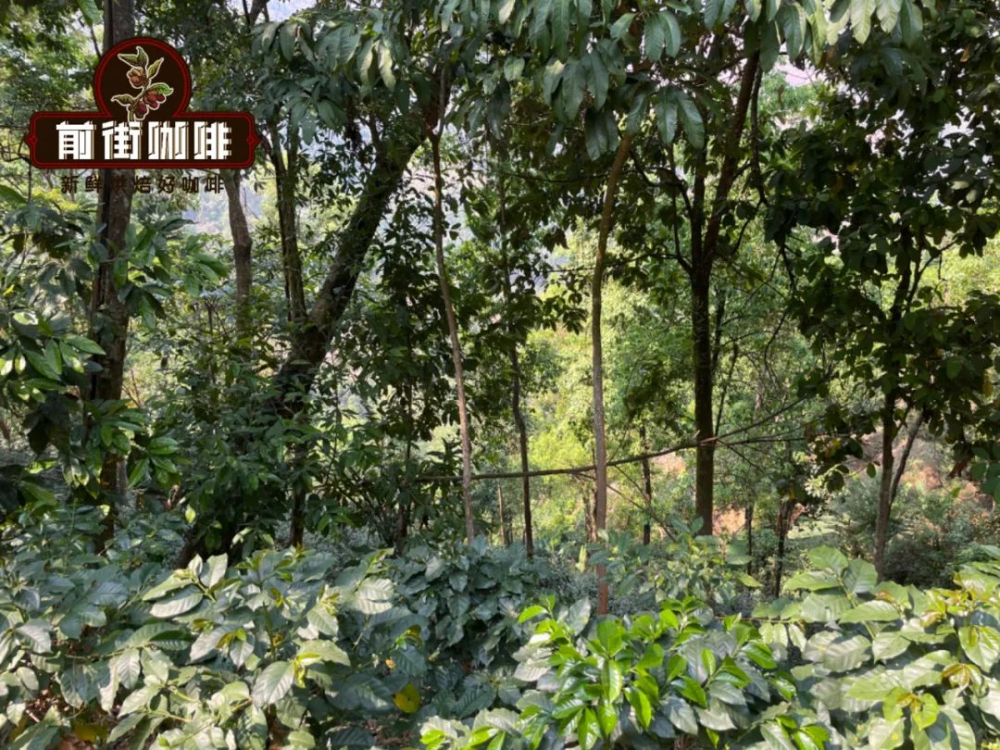
As for “coffee estates,” these are usually larger-scale coffee farms operated by a single owner. Estate owners often have sufficient capital and technical resources to set up their own coffee processing facilities and adjust planting and post-harvest methods according to their own philosophy. They may even experiment with processing methods like anaerobic fermentation or variations of honey processing. Since estates can directly connect with coffee buyers and respond more flexibly to market demands, they are also better positioned to create coffee products with distinctive brand identities. Examples include Panama’s Elida Estate, Finca La Esmeralda, and Hartmann Estate—all internationally renowned and respected estates.
In summary, most coffee beans from traditional regions are often named after the region itself, such as Sidamo, Buena Vista, or Cerrado—names that typically represent a planting area with specific terroir conditions. In more developed coffee regions, such as the Americas, it’s more common to see coffee beans named after estates or brands, such as Hope Estate or Finca La Esmeralda. As for regions like Ethiopia, although there are estates, the overall naming and sales structure still predominantly revolves around cooperatives or processing facilities. That’s why we rarely hear names like “Huila Estate,” “Limu Estate,” or “Konga Estate,” as they don’t align with the local production, sales structure, or naming conventions.
Understanding this classification logic not only helps you make more informed choices when buying coffee beans but also allows you to better appreciate the story and terroir behind each cup of coffee as you taste it.
The above content is compiled by CoffeeHunters, a coffee news website.


