







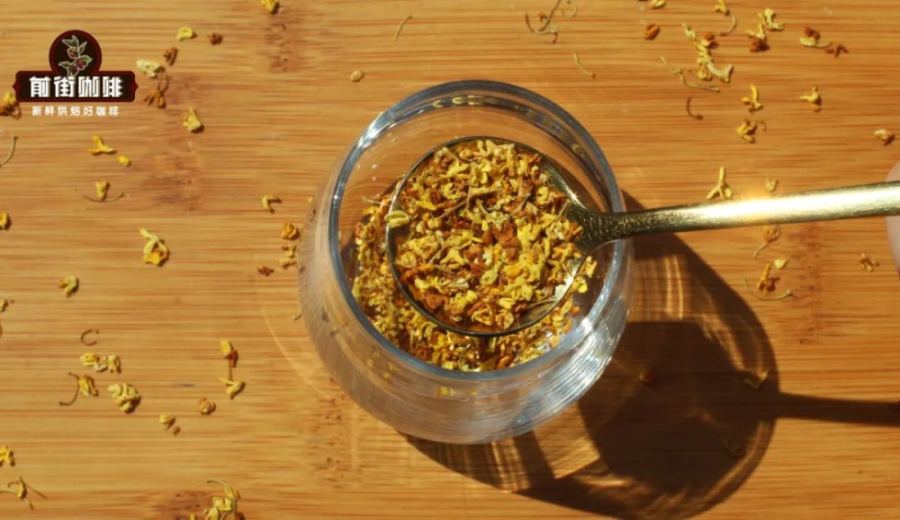
Introduction:Want to add more seasonal flair to your autumn coffee? The combination of osmanthus and coffee not only offers enchanting aromas but also brings out a unique, smooth flavor profile. This article details how to incorporate osmanthus into various coffee beverages—including espresso, latte, flat white, Dirty, and pour over—covering everything from ingredient selection and preparation, to recipes and parameters, with practical guidance and flavor descriptions to help you recreate a professional-grade autumn coffee experience at home.
As autumn deepens, a cup of coffee infused with the delicate fragrance of osmanthus is the perfect way to welcome the cooler season. Renowned for its warm, mellow aroma, osmanthus complements the layered profile of coffee, enhancing the drink’s complexity while creating a rich seasonal atmosphere. This article begins with the principles behind pairing osmanthus and coffee, then step-by-step explores how to integrate osmanthus into several classic coffee drinks, along with practical recipes, parameters, and operational tips.
Why does osmanthus pair well with coffee? Its fragrance is rich yet not overpowering, resonating naturally with the floral notes sometimes found in certain coffee beans, allowing for seamless integration without seeming out of place. Additionally, osmanthus is often seen as a symbol of autumn; incorporating it into coffee not only adds aroma but also infuses the drink with strong seasonal emotion. It’s worth noting that fresh osmanthus may contain mildly toxic substances and is not recommended for direct consumption; it’s better to use processed, food-grade dried osmanthus for both safety and convenience.
Key Points in Brewing Osmanthus Espresso
The essence of osmanthus espresso lies in preserving the coffee’s inherent bold flavors while highlighting the delicate aroma of osmanthus. Many try steeping osmanthus in already-brewed espresso to release its fragrance, which can work—but often leads to the rapid dissipation of crema (coffee foam), negatively affecting both texture and the lasting quality of aroma.
A better approach is to incorporate osmanthus as part of the extraction process, having it undergo high-pressure brewing together with the coffee grounds. However, because osmanthus and coffee grounds differ significantly in density and volume, mixing them directly for tamping can cause channeling—where water flows through looser areas, leading to uneven extraction, or even sudden speed increases or splattering in the later stages of brewing.
Practical testing shows that placing osmanthus (approximately 0.3 to 0.5 grams per 20 grams of coffee grounds) either above or below the coffee puck helps maintain stable extraction and effectively prevents channeling issues.For visual reference on placement, see 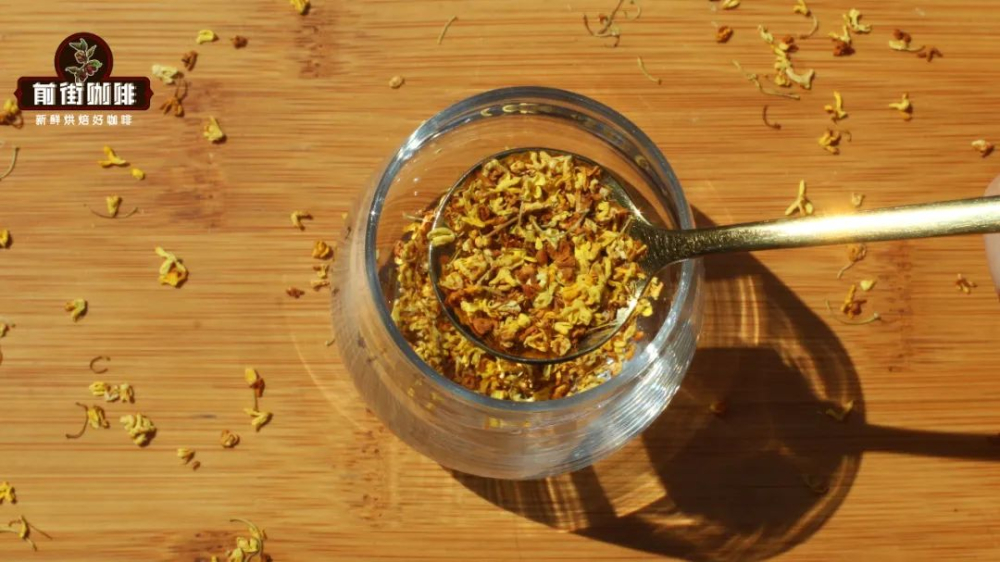 . Experiments found that whether osmanthus is placed above or below the puck, extraction time remains similar to that of a regular espresso, with good aromatic performance. Especially when placed at the bottom of the puck, the resulting coffee—when diluted with hot water into an americano—features an even more mellow and harmonious osmanthus aroma, distinctly layered with the coffee’s own wine-like and fruity acidity notes, yielding an impressively flavorful cup.
Pairing Suggestions for Osmanthus Latte and Flat White
When making osmanthus latte, note that milk’s aroma can easily mask the subtle taste of osmanthus. Therefore, it’s recommended to prepare an additional osmanthus syrup as an aroma carrier. The standard method is to add 15 grams of osmanthus syrup to a regular shot of espresso (based on 20 grams of coffee beans yielding 40 grams of coffee liquid), then combine with 220 grams of hot milk. Finally, lightly sprinkle crushed dried osmanthus on top, which enhances visual appeal and delivers an extra aromatic layer upon sipping.
For those who prefer a stronger coffee-forward hot drink, consider making a flat white or cappuccino. With a smaller cup size (recommend using 180 grams of milk), reduce the syrup to 10 grams, still based on 20 grams of coffee beans yielding 40 grams of coffee liquid. After blending, pour the drink and finish with latte art and a sprinkle of osmanthus for decoration. This results in a well-balanced, aromatic autumn special with rich mouthfeel.
Making Osmanthus Dirty: Key Techniques
Even as the weather cools, Dirty remains a favorite for many. When making an osmanthus Dirty, start by rimming the edge of the glass with a line of osmanthus syrup to enhance both visual and flavor layers. Then pour about 170 grams of iced milk, followed by directly pouring a shot of osmanthus espresso (made with 20 grams of coffee beans, 0.3 to 0.5 grams of osmanthus, yielding 40 grams of coffee liquid) over the milk surface. This creates a striking visual contrast between the iced milk and hot espresso, while delivering a burst of intense osmanthus aroma in the first sip—a richly flavored, autumn-evoking drink.
Choosing Beans and Parameters for Osmanthus Pour Over
Due to its longer extraction time, pour over coffee can more fully draw out the aroma of osmanthus, making it a great match for coffee beans with bright, refreshing profiles and vibrant acidity. Recommended options include Panamanian washed Hua Hudie (Butterfly), which features citrus and peach notes, complementing the mellow fragrance of osmanthus.
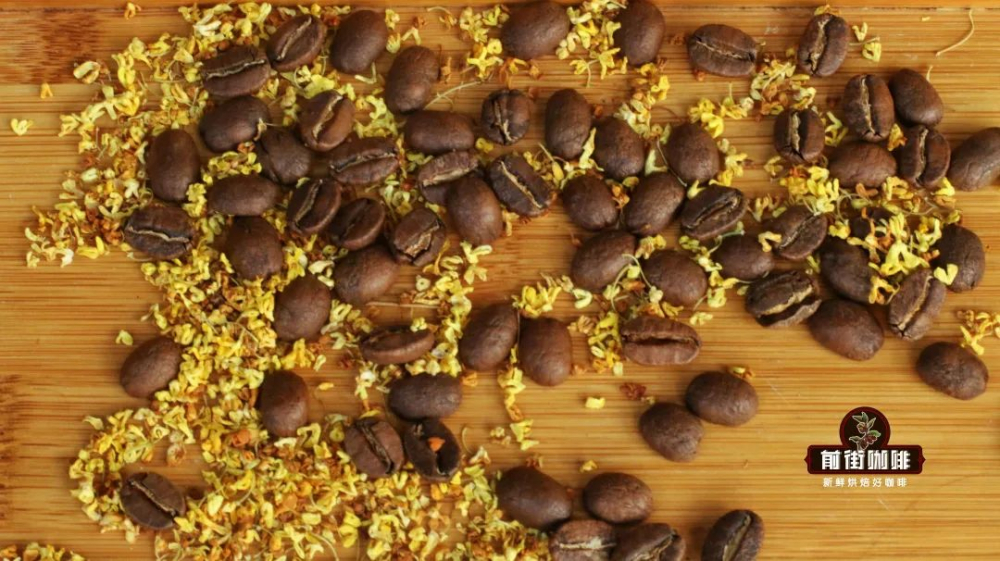
It’s advised to use around 15 grams of coffee grounds, extracted at a 1:15 brew ratio. Grind size can refer to EK43s setting 10 (approximately equivalent to 80% passing rate on a Chinese standard sieve), with water temperature controlled at 91°C. Use a V60 dripper and apply a three-pour brewing technique.For specific parameters and visual guide, refer to 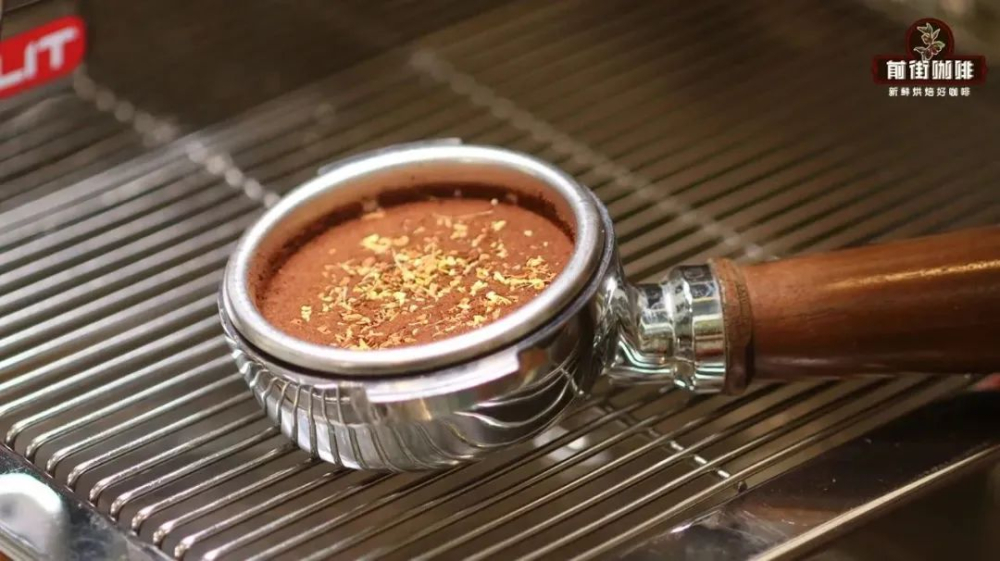 . These settings allow the osmanthus aroma to gradually release under repeated hot water flushing, without requiring excessive additional osmanthus—just a light sprinkle on the surface of the coffee bed suffices. In terms of flavor, the final cup offers citrusy acidity, sweet peach notes, and an oolong tea-like mellowness, with a lingering, delicate osmanthus finish, presenting an overall profile that is smooth, mellow, and layered.
The above content is compiled by CoffeeHunters, a coffee news website.


