







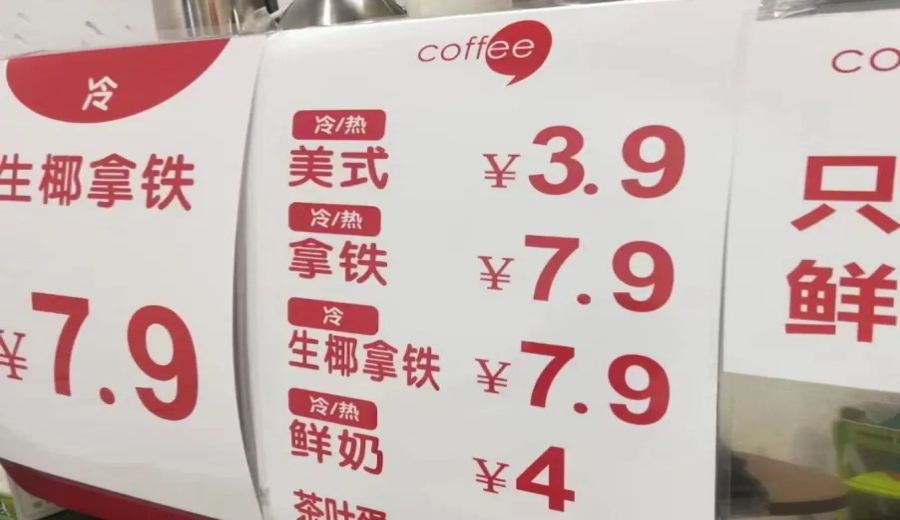
Introduction:As coffee prices fall below the 10-yuan threshold, from major chains to corner shops, everyone is scrambling for market share with low-price tactics. The commercial logic and operational challenges behind this price war are worth exploring in depth. This article will dissect the business models of low-cost coffee, analyze the differences in cost structures between industry giants and independent stores, and reveal the key factors in maintaining profitability amid fierce competition—helping readers understand the current state and future direction of this “single-digit coffee” trend.
In recent years, coffee priced under 10 yuan has gradually moved from the market fringe to become a mainstream phenomenon. Well-known brands such as Luckin, Cotti Coffee, and Xingyun Cafe have taken the lead in launching low-price strategies, followed by regional chains and emerging indie shops that have also jumped on the bandwagon, using ultra-low pricing as their primary customer draw. From Nantong in Jiangsu to Qingdao in Shandong, and even to the international metropolis of Shanghai, low-price coffee shops have sprung up like mushrooms after rain—but the sustainability of this business model and the actual operational pressures deserve further analysis.
Amid this low-price competition, several brands have directly incorporated pricing into their very names. Take Nantong’s “9.9 Coffee,” for example, where all products are kept under 10 yuan, with four outlets already established and a franchise model launched to expand market share. Qingdao’s “Not Ten Coffee” hints at its price positioning through its name—with the exception of certain premium bean varieties, all drinks are priced below 10 yuan. In Shanghai, a small café even offers an ultra-value promotion: Americanos at just 6 yuan each and milk-based coffees uniformly at 9 yuan. Despite having only around 10 square meters of floor space, its monthly rent is a hefty 13,000 yuan, highlighting the high fixed costs behind the low-price strategy.
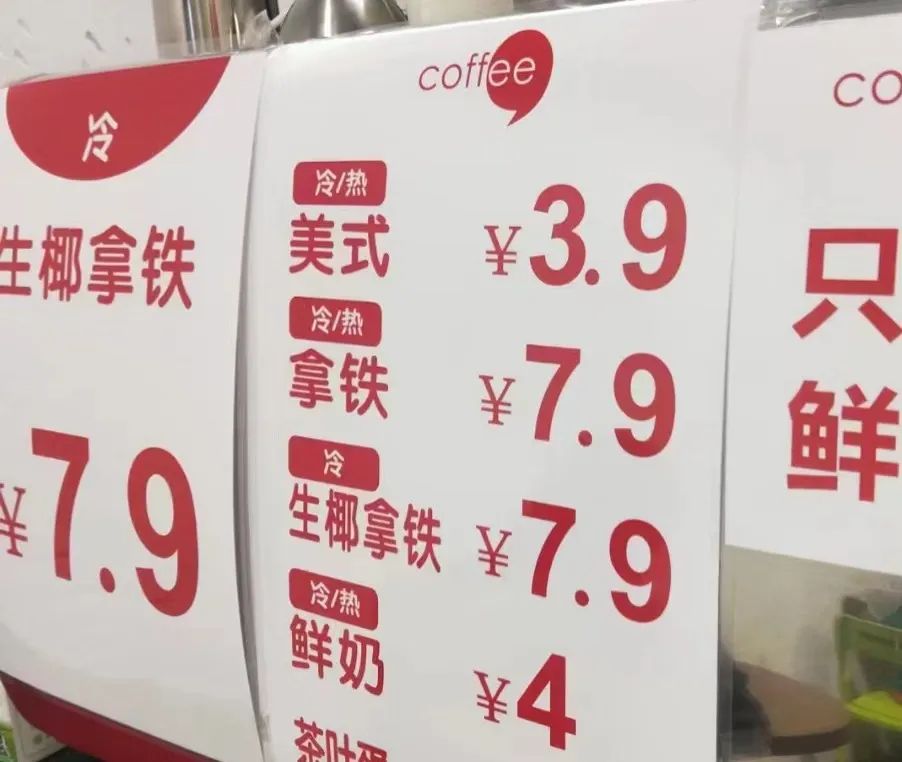
The core of the low-price strategy lies in boosting overall sales volume through thin profit margins. But this model poses significant challenges to the operations of individual stores. Major chains like Luckin can effectively control the costs of green bean procurement, logistics, and production processes by leveraging their massive supply chain systems and economies of scale—even when selling each cup at 9.9 yuan, they can still maintain a reasonable profit margin. In contrast, independent stores lack bargaining power and often have to rely on precise control over ingredient waste, staffing, and equipment usage efficiency just to survive within a narrow profit margin.
Industry observers note that many entrepreneurs launching single-digit coffee offerings aren’t aiming for short-term windfalls, but rather using low barriers to attract first-time customers, hoping to convert these “trial drinkers” into long-term loyal patrons. The success of this “volume-over-price” strategy hinges on whether it can sustain a stable flow of high foot traffic and high turnover rates to offset fixed expenses such as rent, labor, and equipment depreciation. In practice, this means a single store must sell a considerable number of drinks daily to cover high initial investments and ongoing operational costs.
From a consumer behavior perspective, price remains one of the most critical factors influencing purchasing decisions. On social media, discussions about coffee discounts often outshine those about new product launches, demonstrating the strong demand among price-sensitive consumers for low-price options. For major brands, continuous low-price promotions not only help seize market share but also build a brand image of “high cost-performance”; for smaller shops, the low-price strategy is a necessary means to lower the barrier to trial and cultivate brand awareness.
Notably, as market segmentation intensifies, the coffee price spectrum has simplified into two clear camps: “below 10 yuan” and “above 10 yuan.” For shops pricing above 10 yuan but lacking strong brand identity, premium bean sources, or innovative drink development capabilities, they will face immense pressure from low-cost competitors. In this environment, relying solely on being “cheap” is no longer enough to ensure survival. How to combine quality, service, and customer experience to create differentiated value will be the key determinant of whether a store can stand out in the fierce competition.
The above content is compiled by CoffeeHunters, a coffee news website.


