







Introduction:Want to grow a coffee tree at home with your own hands? Many specialty coffee enthusiasts have already tried cultivating varieties such as Typica, Bourbon, and Geisha in pots, documenting the entire process from seedling to flowering. This article combines practical planting experience with the natural environmental needs of coffee trees to analyze the feasibility of home cultivation, and provides key care essentials such as temperature, light, and water to help improve your chances of success.
Aside from traveling to coffee-producing regions, where else can you see a coffee tree with your own eyes? Many cafés display a coffee tree as decoration inside their shops, but for most enthusiasts, a more practical approach is to grow one at home. On social platforms like Xiaohongshu, there are nearly ten thousand posts about coffee tree cultivation, covering everything from selecting seedlings, nurturing, repotting, watering, and fertilizing, to pest control, and even the full journey of flowering and fruiting. The varieties grown are also diverse, not only including common ones like Typica and Catimor, but also Bourbon, Caturra, SL28, and even the rare Geisha.
It’s not hard to notice that many coffee lovers aren’t just in it for the drink—they want to start from the source and personally nurture a coffee tree of their own. This is not only a charming lifestyle hobby, but also an excellent way to understand the growing environment and flavor origins of coffee. So, is it feasible to grow a coffee tree in a home environment? And what key factors must be considered?
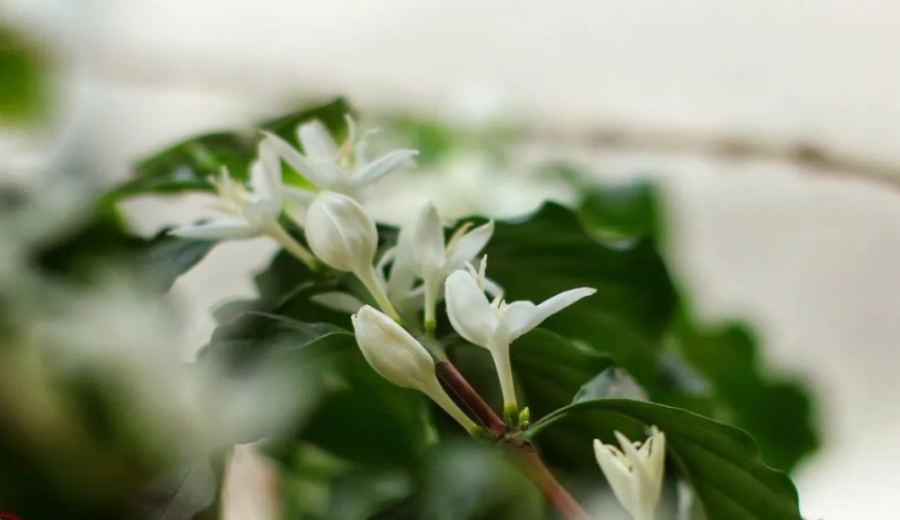
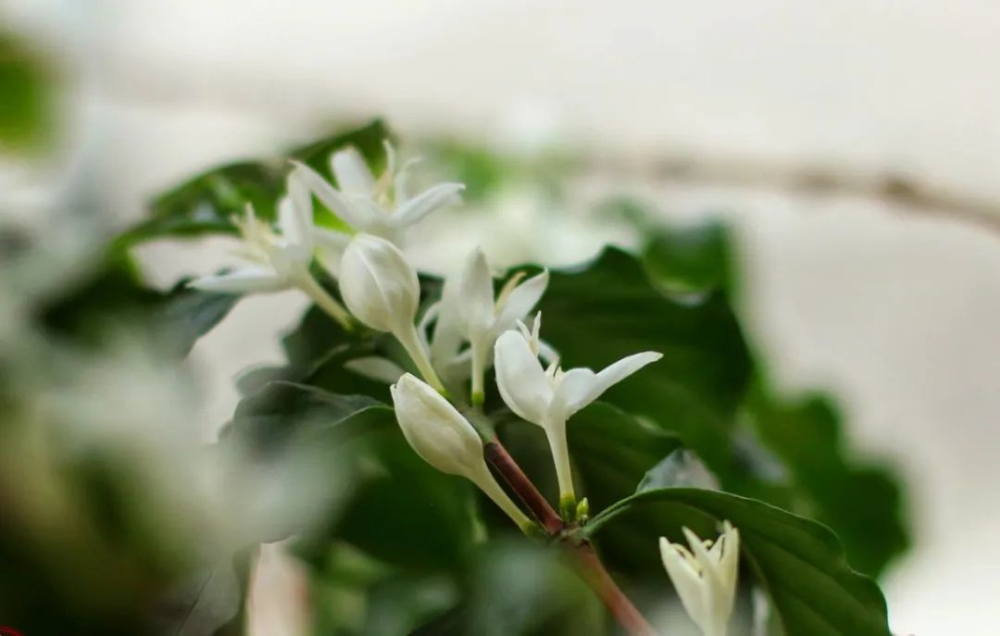
First, let’s consider: aside from traveling to coffee-growing areas, where else can you see living coffee trees? For many people, the answer might be a uniquely styled café—where a lush green coffee tree is displayed, serving both as decoration and creating a rich coffee atmosphere. Especially when the coffee tree flowers or bears red fruit, it can even make you feel the vibe of the origin region. However, not everyone can frequently visit such cafés, which is why more and more enthusiasts choose to grow their own.
By searching keywords like “coffee tree potted plant,” it’s easy to find many netizens sharing their growing experiences—from beginners in the seedling stage, to experienced growers sharing details on repotting, pruning, and controlling watering frequency, and even some who have compiled complete growing tutorials. Whether it’s seeds just planted and waiting to sprout, or small trees that have begun to flower, each grower invests a lot of effort, carefully observing changes in the plant.
Notably, many enthusiasts don’t limit themselves to common commercial varieties like Catimor, but challenge themselves with more difficult ones such as Typica, Red Bourbon, Yellow Bourbon, Caturra, SL28, and even Geisha from well-known estates have become potted subjects. This pursuit of quality is closely tied to their dedication to coffee flavors.
However, growing a coffee tree is not without its challenges. Coffee trees are native to tropical high-altitude regions, typically growing at elevations between 800 to 2000 meters, where conditions include stable high temperatures, moderate rainfall, and mineral-rich volcanic soil. In addition, microclimates and appropriate shading are also important factors influencing coffee flavor and growth. These conditions are often difficult to fully replicate in a home environment, so without proper attention, the likelihood of failure is relatively high.
Nevertheless, as long as you master a few key care points, home cultivation is still achievable.Temperatureis the primary factor. Coffee trees grow best at temperatures between 15°C and 25°C. In winter, temperatures should be kept above 10°C to avoid frost damage.Lightis another important aspect. While coffee trees enjoy bright, diffused light, they should be protected from intense direct sunlight, especially during midday in summer.Water managementis also extremely crucial. The soil should remain moist but not waterlogged. It’s recommended to use well-draining potting soil and adjust watering frequency according to the season. Additionally,fertilizershould primarily consist of a balanced nitrogen-phosphorus-potassium formula, with a moderate increase in nitrogen fertilizer during the growth period to promote leaf development.
Many growers share that as long as you patiently nurture the plant from the seedling stage and adjust the environment and care methods based on the plant’s growth feedback, the coffee tree can not only grow healthily but may even flower and bear fruit after a few years. There are already numerous success stories online, where growers have personally experienced the entire process from ripening red berries to harvesting and processing, gaining not just coffee beans but also the sense of achievement from coexisting with the plant.
In summary, although growing a coffee tree at home cannot fully replicate the natural conditions of high-altitude producing regions, by simulating a suitable environment and mastering key care techniques, you can still cultivate a vibrant coffee tree. Whether you’re a specialty coffee enthusiast or someone who enjoys the pleasure of growing green plants, why not try starting with a seed or seedling and experience this symbiotic journey with a coffee tree?
The above content is compiled by CoffeeHunters, a coffee news website.


