







Introduction:Following the recent boom in coffee shop openings, the volume of second-hand equipment recycling has surged, reflecting intense market competition and a high failure rate. This article provides an in-depth analysis of the real challenges faced by entrepreneurs, from the difficulty of recouping equipment investments to the plight of market saturation, and offers practical business insights to help aspiring entrants avoid common pitfalls and make wiser decisions.
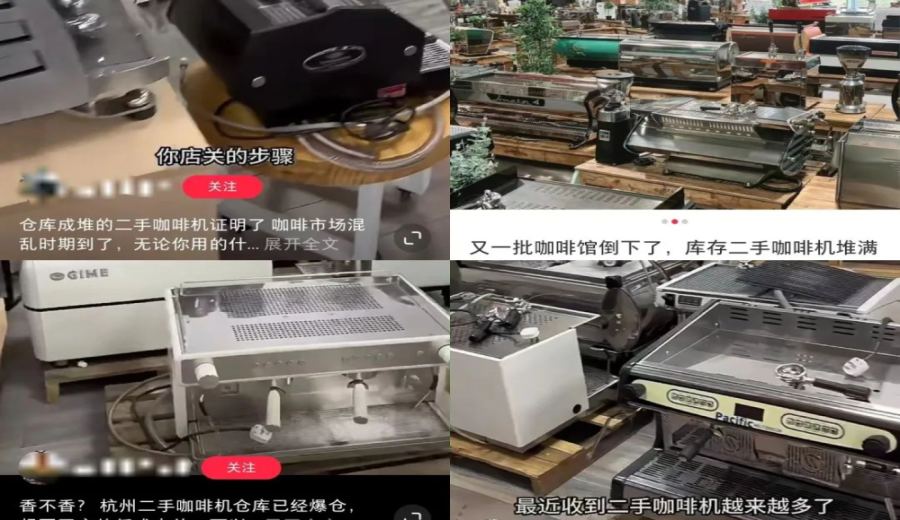
Opening a café was once a romantic choice for many to escape the 9-to-5 grind and pursue an ideal lifestyle. But reality often falls short of expectations. Recently, a large number of coffee shops have closed one after another, leading to warehouses of second-hand coffee equipment recyclers being packed to the brim — a microcosm of the industry’s current state.
From the “revenge opening” trend at the beginning of the year to the current wave of “concentrated closures,” the coffee industry is undergoing a severe shakeout. Many entrepreneurs, after struggling with operations, have had to part with their expensive coffee machines and grinders. These pieces of equipment, which were even the source of their “first bucket of gold,” are now being sold off — albeit at a loss.
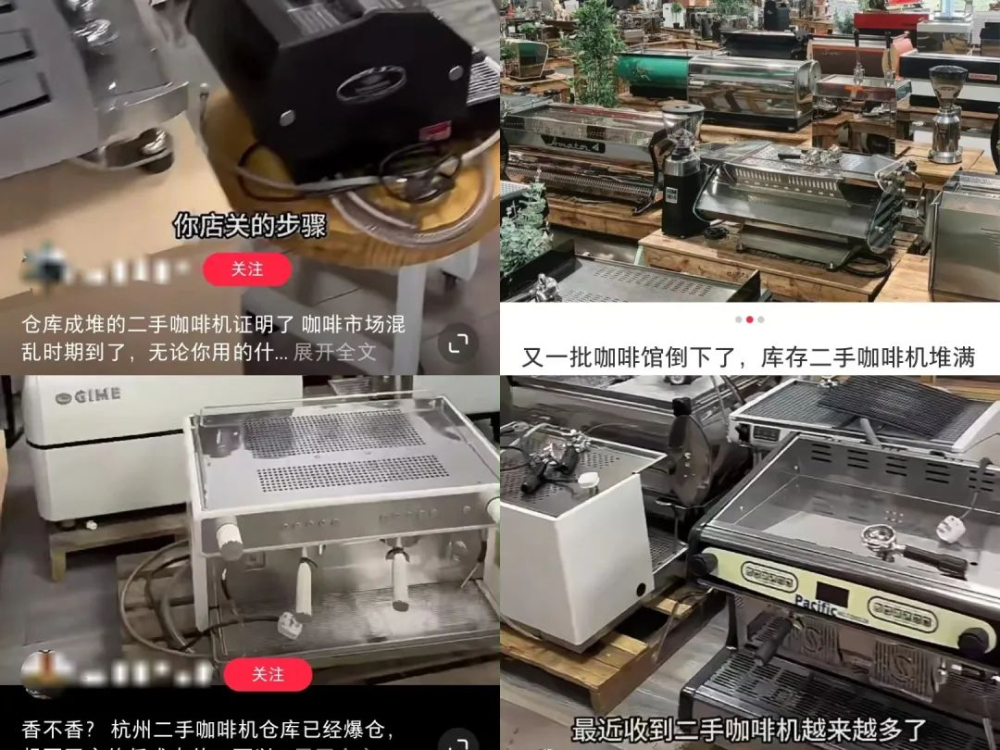
Visits to multiple second-hand equipment recyclers reveal that the number of coffee machines received in recent months has increased significantly, especially since June, when the volume of recycling has seen explosive growth. Warehouses are stacked with mid- to high-end coffee machines of various brands, ranging from basic models worth a few thousand yuan to professional-grade equipment valued at tens of thousands. Most of these machines were purchased within the past two or three years.
Notably, among the sellers are not only long-established shops but also newly opened businesses that have been operational for just a few months. This shows that it’s not just newcomers facing challenges — even some shops that survived the pandemic are struggling to stay afloat.
On social platforms, many café owners express their operational struggles through self-deprecating humor, with tags like “money-losing café” and “powered by love” becoming commonplace. In the comments sections, industry players share real hardships such as daily revenues of just a few dozen yuan and relying on part-time jobs to keep operations going, reflecting the widespread operational pressures faced by the industry.
For many entrepreneurs, opening a café is a high-stakes gamble. From selecting a location and decorating to purchasing espresso machines and grinders that can cost tens of thousands of yuan, the initial investment often amounts to hundreds of thousands. Yet under fierce competition, with each cup of coffee sold for just over ten or twenty yuan, it’s extremely difficult to recoup costs through sales volume alone.
When operations become unsustainable, transferring the shop and selling equipment become the most common ways to cut losses. In fact, many entrepreneurs find that the coffee equipment they invested the most in ends up being the only asset that can be quickly liquidated — albeit at a significant discount.
The current coffee market competition has reached a white-hot stage, with chain brands continuously expanding, launching new products and promotional campaigns, and some even embroiled in prolonged price wars. In such an environment, whether it’s long-standing shops, those just recovering from the pandemic, or new entrants, all face unprecedented pressure.
Industry experts warn that for entrepreneurs considering entering the coffee industry, it is essential to carefully assess market conditions and their own capabilities. Opening a café requires not only passion but also a solid business plan, precise market positioning, and cost control skills. Before investing substantial capital, one should fully understand the current state of the industry and potential risks to avoid becoming another victim of the next wave of closures.
The above content is compiled by CoffeeHunters, a coffee news website.


