







Introduction:Starbucks recently sparked heated discussion after offering only an extremely small slice of black mooncake crust during a tasting event, prompting netizens to question whether it was to cut costs or mask the flavor. An individual claiming to be an employee revealed that “slicing it thin prevents customers from tasting the real flavor,” allegedly to avoid affecting sales. This article delves into the incident, compares common tasting practices, and explores Starbucks’ past marketing tactics and related controversies to help readers understand the commercial strategies and consumer experience design behind the move.
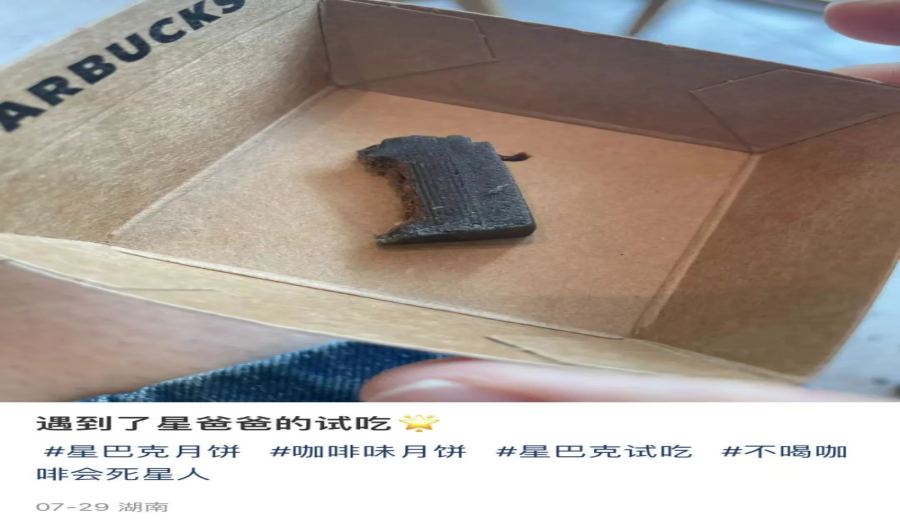
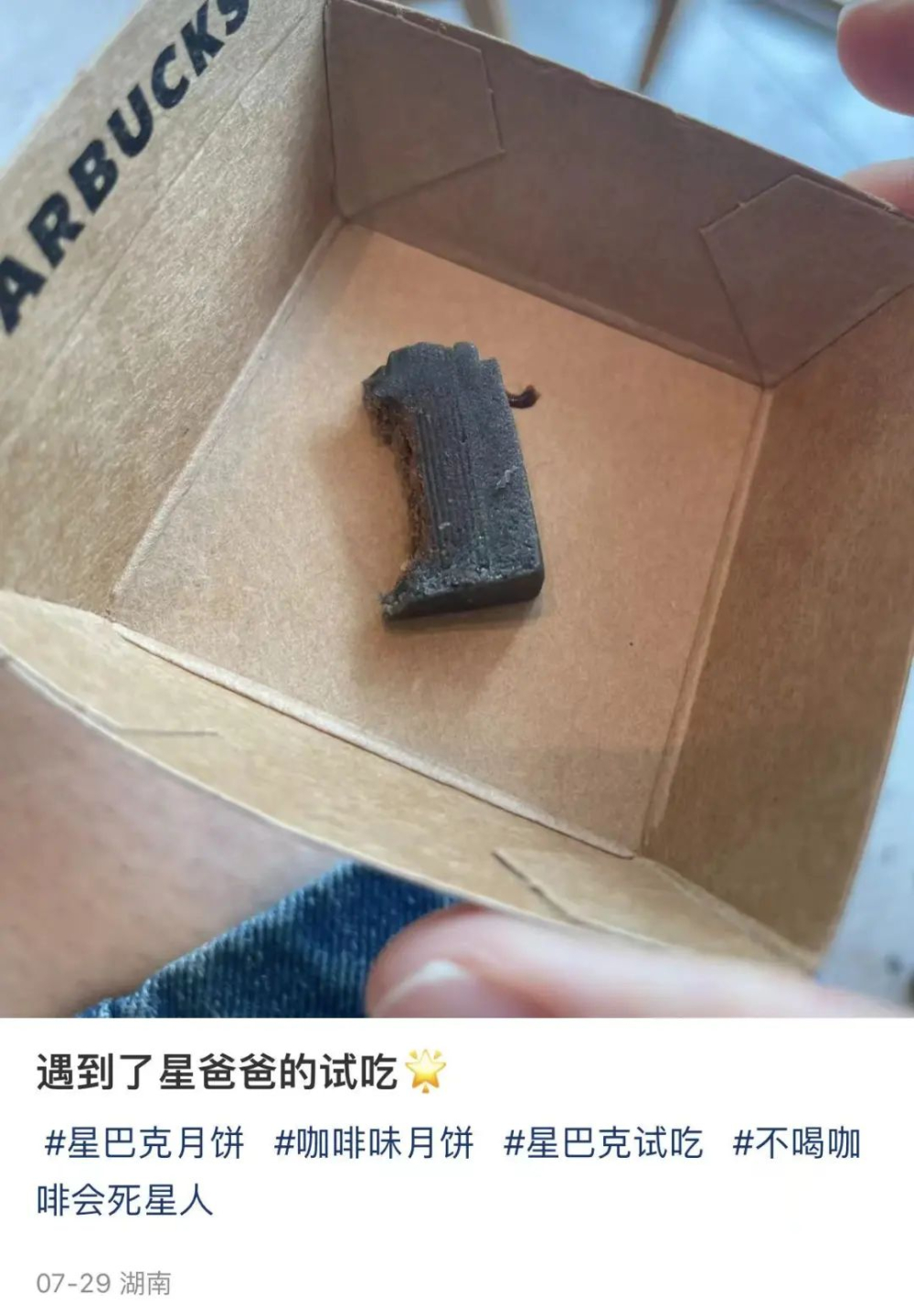
Recently, a netizen shared their experience of trying a mooncake tasting at a Starbucks outlet on social media, only to receive an extremely small slice of black mooncake crust—barely any filling, and no chance to taste the full flavor of the mooncake. The photo quickly went viral, with many expressing surprise at such a “minimalist” tasting portion. Some even joked that the crust looked like brake pads or shoe soles, while others questioned whether Starbucks was deliberately controlling the tasting experience.
In response to the online mockery and skepticism, a netizen claiming to be an insider at Starbucks revealed what they said was the inside story: “Slice it thinner, don’t let them taste the flavor. If they eat too much, they won’t buy it because it’s really not that tasty.” The comment immediately resonated with many, with numerous netizens speculating that this might be a strategy to reduce the appeal of the tasting and prevent customers from losing interest in purchasing after tasting.
If you search for keywords like “Starbucks tasting” on search engines, you’ll find that most consumers who have shared their tasting experiences typically receive at least a cone-shaped or triangular piece with filling—even if the portion is small—allowing them to get a preliminary sense of the overall mooncake flavor. In contrast, offering only a thin slice of crust this time seems particularly meager, even making one wonder if it can even be called a “tasting.”
Some netizens further pointed out that if you cut the mooncake horizontally into eight equal parts, although each piece becomes smaller, it still retains the triangular shape and filling, making it easy to share among multiple people for tasting. However, the tasting item in this case contained only plain crust with no filling at all, which is far from standard tasting practices and has led some to question the motives behind it.
There was a time when Starbucks, when promoting new pastries or seasonal products, would often generously offer tasting samples, sparking customers’ desire to purchase. Some staff members would even proactively offer palate-cleansing drinks, such as pour over coffee, to enhance the overall consumer experience. But this mooncake tasting, which offered only a thin slice of crust, presents a stark contrast to the brand’s previously “generous” image.

It’s worth mentioning that Starbucks has also been embroiled in controversies related to mooncake sales in the past, including allegations that employees were pressured to buy internally or engage in fake orders to boost performance. Although the company later clarified that “any form of fake orders or falsified consumption records is not allowed,” so-called “mooncake incentive boards” continue to circulate online, described by some netizens as “pressure boards,” reflecting the potential stress internal sales targets may place on employees.
While the case of offering only a mooncake crust for tasting may be an isolated practice at a single outlet, for unaware consumers, it’s easy to assume this is Starbucks’ standard tasting procedure, thereby affecting their overall impression of the brand. Compared to the tasting strategies of other brands—which usually aim to let consumers experience the core flavor of the product to build purchase confidence—Starbucks seems to have gone in the opposite direction this time.

From the perspectives of consumer psychology and marketing strategy, the design of tastings should highlight the strengths of the product and guide customers toward a purchasing decision. However, if the tasting portion is too small or if a non-representative part is chosen (such as only offering the mooncake crust), it not only fails to showcase the product’s features but may also provoke dissatisfaction and skepticism among consumers. This incident also serves as a reminder to brands to pay more attention to consumer experience and ethical marketing practices when conducting tasting promotions.
In summary, the incident where Starbucks offered only a thin slice of mooncake crust during tasting has not only sparked discussions about tasting strategies but also prompted a re-examination of how the brand balances promotional tactics and consumer communication. For consumers, understanding the commercial considerations behind such moves can help them make more rational judgments in similar situations and better evaluate the actual value of the products.

The above content is compiled by CoffeeHunters, a coffee news website.


