








Introduction:Have you ever developed the habit of pinching the small hole on a coffee bean bag to smell the aroma? In fact, this seemingly ordinary hole is a specially designed "one-way degassing valve" intended for freshly roasted coffee beans. Its primary function is to balance internal air pressure, prevent the packaging from bursting, and is not meant for squeezing to smell the aroma. Understanding how it works can help you store your coffee beans more properly and extend their optimal flavor period. This article will explain the true purpose of the degassing valve and offer practical storage tips.
Many people, when purchasing freshly roasted coffee beans, often unconsciously bring their nose close to that small hole on the packaging and pinch it, taking a deep breath to enjoy the rich aroma that wafts out. This small hole that tempts you to smell is actually a "one-way degassing valve," designed for a specific function rather than as a device for consumers to squeeze and sniff.

This small hole is often misunderstood as a "scent hole," especially as many people do this subconsciously when selecting coffee beans. When you squeeze the bag, the gases inside are released instantly, bringing a burst of strong coffee aroma that makes you feel as if you’ve already smelled the brewed coffee. However, while this action may satisfy your momentary sensory pleasure, it could affect the quality of the coffee beans’ preservation.
So, what is the real purpose of this small hole? Why is it not recommended to use it for squeezing and smelling? Let’s explore the engineering principles and actual functions of the one-way degassing valve together.
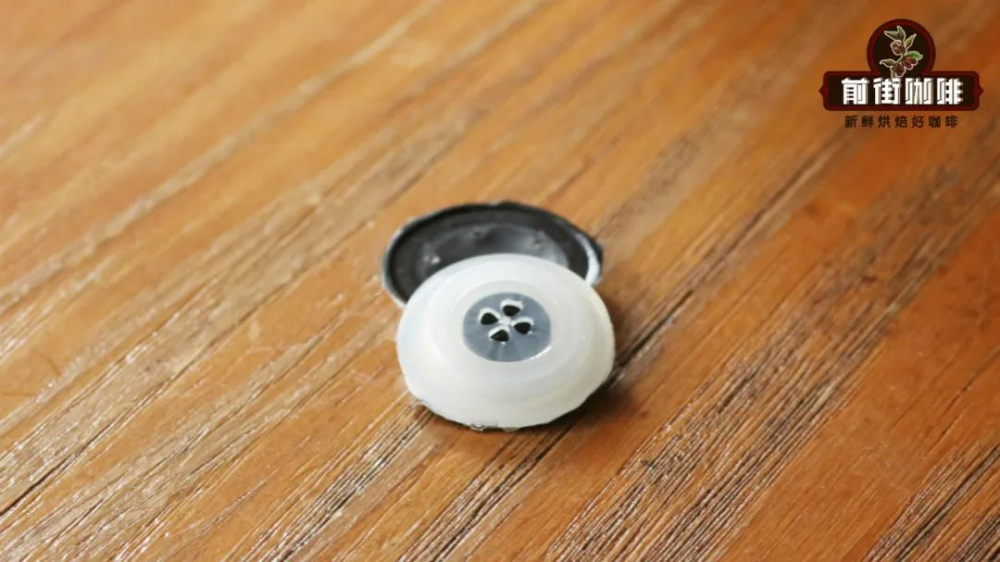
First, this hole is actually a valve device called a "one-way degassing valve." Its design is like a one-way street on the road, allowing gas to flow in only one direction—outward—and preventing external air from flowing back into the package. After coffee beans are roasted, they produce a large amount of carbon dioxide, especially in the first few days after roasting, which needs to be gradually released.

Without a one-way degassing valve, when coffee beans are placed in a completely sealed bag, the continuously released carbon dioxide will quickly accumulate, causing the internal air pressure to rise and potentially leading to the bag bursting. The function of the one-way degassing valve is to solve this problem: when the internal pressure is higher than the external pressure, the valve automatically opens to allow excess carbon dioxide to escape. Once the pressure equalizes, the valve closes automatically to prevent outside oxygen from entering.
This design ensures that the coffee beans are stored in a closed, low-oxygen environment, which helps delay oxidation reactions, thereby preserving more volatile aromas and flavor compounds. However, it’s important to note that when you deliberately squeeze the bag, you not only accelerate the loss of aroma but may also disrupt the intended degassing rhythm, affecting the coffee beans’ optimal drinking period.
Therefore, it is not recommended to smell the aroma by squeezing the packaging bag. Although doing so may briefly satisfy your sense of smell, in the long run, such actions will cause carbon dioxide and aroma to dissipate more quickly, shortening the coffee beans’ best drinking window.
If you really want to extend the flavor life of your coffee beans, in addition to avoiding squeezing the degassing valve, you can take the following measures: for example, you can temporarily cover the degassing valve with a sticker to slow down the rate of gas loss; or, after opening the bag, transfer the coffee beans as soon as possible to a glass jar or a dedicated coffee storage container with a sealing function to minimize exposure to air.
Understanding the function of the one-way degassing valve correctly allows you to enjoy fresh coffee while also storing the beans more scientifically, ensuring that every cup is full of rich aroma and layered flavors.
The above content is compiled by CoffeeHunters, a coffee news website.


