








Introduction:The coffee flavor wheel is more than just a chart—it’s an essential bridge for professional cuppers and enthusiasts to communicate about flavors. This article will take you deep into the design philosophy behind the latest version of the coffee flavor wheel, teaching you how to build your own sensory vocabulary through training, and apply it in your everyday coffee tasting. Paired with real cupping procedures, learn to accurately describe a coffee’s aroma, flavors, and aftertaste, making each sip more meaningful.
The coffee flavor wheel is a widely used sensory description tool in the specialty coffee industry. This colorful chart helps us transform abstract tastes and aromas into concrete language. However, faced with the many detailed categories, many people often feel lost, unsure where to begin. This article will start with the scientific foundation of the flavor wheel, guiding you step-by-step to build your own sensory memory and use this knowledge to enhance your coffee tasting skills.
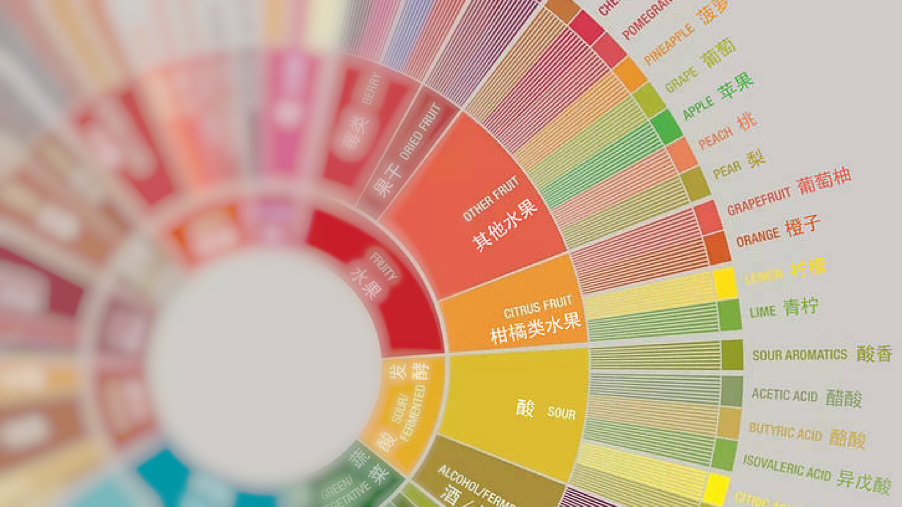
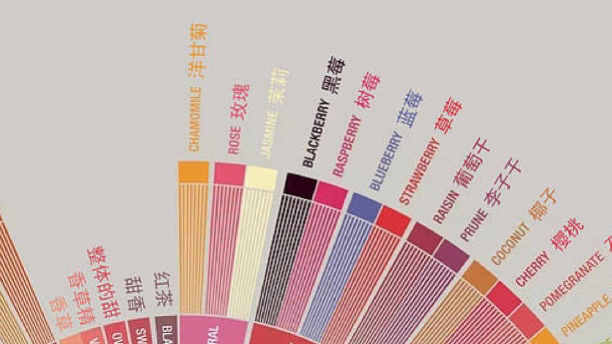
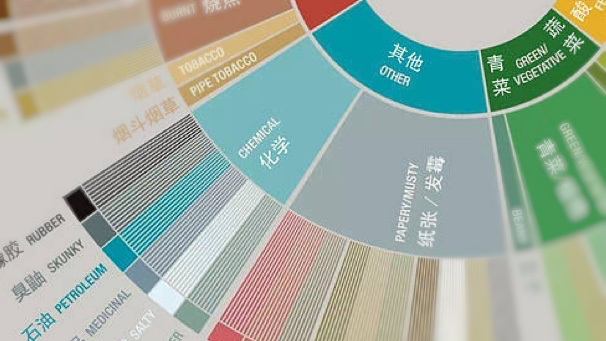
First, understanding the structure of the flavor wheel is key. The current version, released by the World Coffee Research (WCR), is divided into several major categories, including fruity, floral, nutty, spicy, sweet, sour, body, and defective flavors. Each major category is further broken down into more specific descriptors—for example, fruity can be divided into citrus, berry, tropical fruit, etc. This hierarchical design helps us systematically train our olfactory and taste recognition abilities.

In practical application, it is recommended to start practicing with simple flavor categories. For example, when tasting a light roast coffee, you might first pay attention to whether there are obvious citrus or berry notes, then further identify which specific fruit aroma it is, such as lemon, orange, or blueberry. This approach—training from broad categories to specific items—can help you gradually build a complete flavor vocabulary.
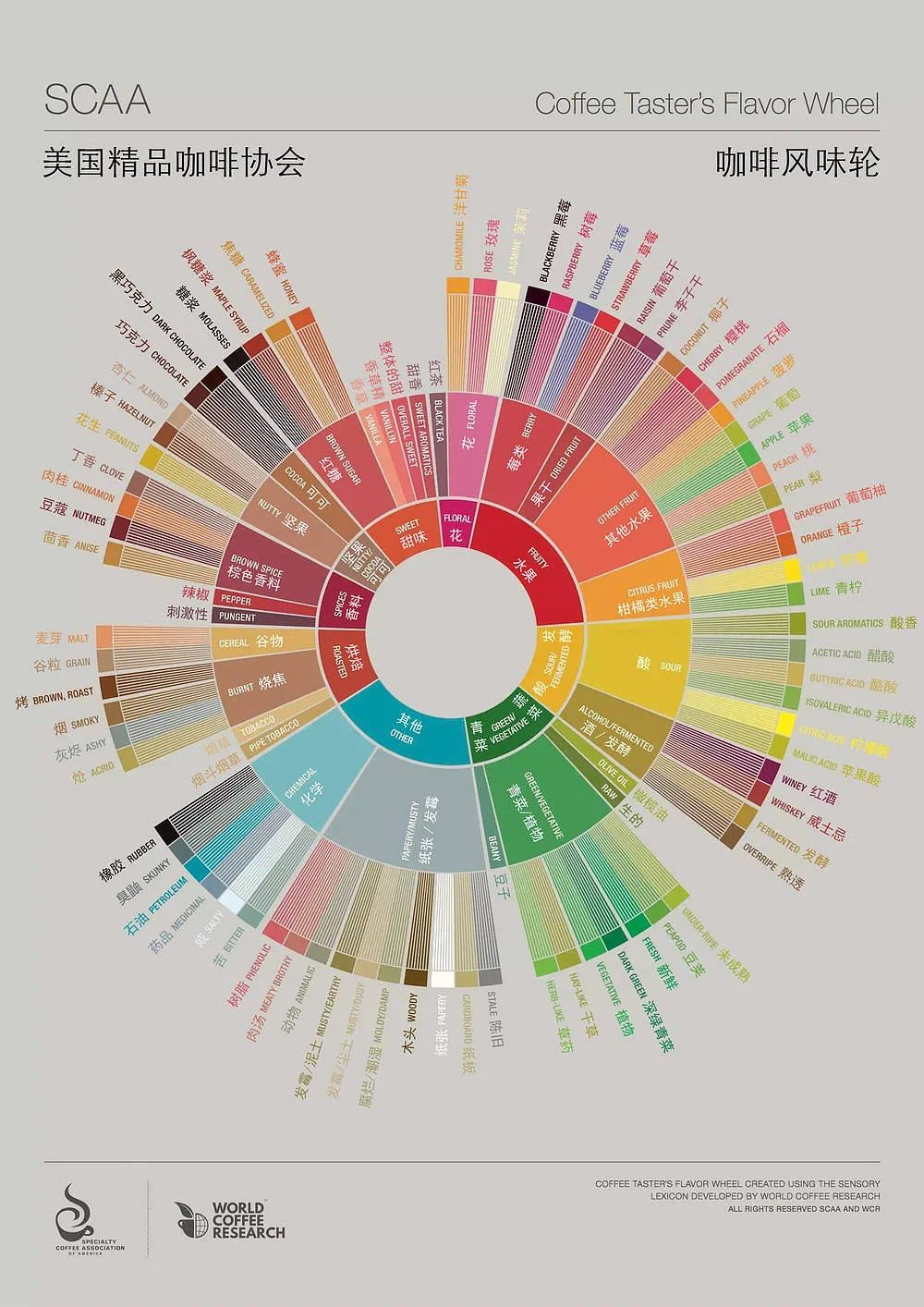 Furthermore, it is suggested to practice alongside the cupping process. The standard cupping steps include smelling the dry grounds, sniffing the wet aroma after pouring water, breaking the crust to sniff, and finally slurping to taste. At each stage, pay attention to changes in aroma, and try to match your sensations with the descriptors on the flavor wheel. For instance, right after pouring water, you may detect bright citrus notes, while as time goes on, these may shift into sweet notes like caramel or chocolate.
Additionally, sensory training requires persistence. It is recommended to set up simple flavor reference samples at home, such as preparing a few representative fruits, nuts, or spices, actually smelling them and comparing them with corresponding flavors in coffee. This physical comparison method can effectively strengthen memory and improve recognition accuracy.
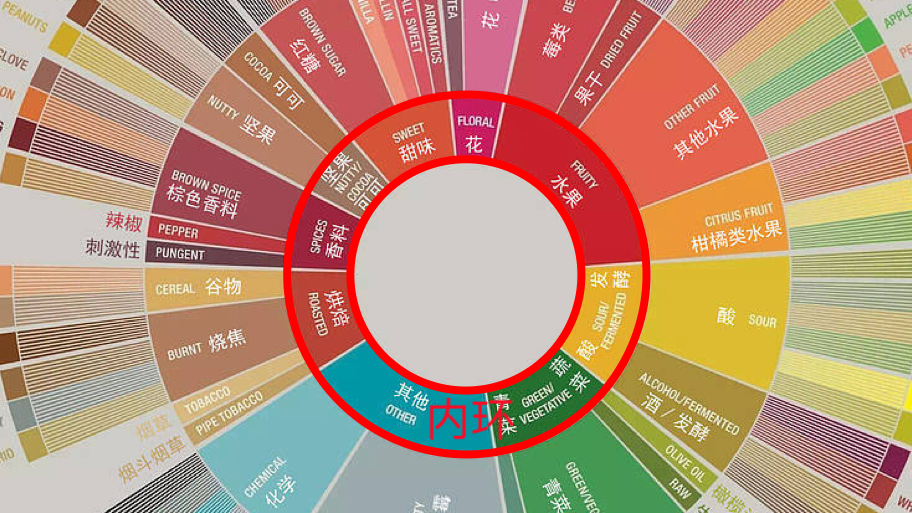
When describing coffee flavors, focus on using clear and specific words. For example, rather than the vague term “tasty,” you could more precisely describe it as “with bright citrus acidity and red date sweetness, and a long finish with a hint of caramel.” Such specific descriptions not only help you record your tasting insights but also make it easier to share the experience with others.
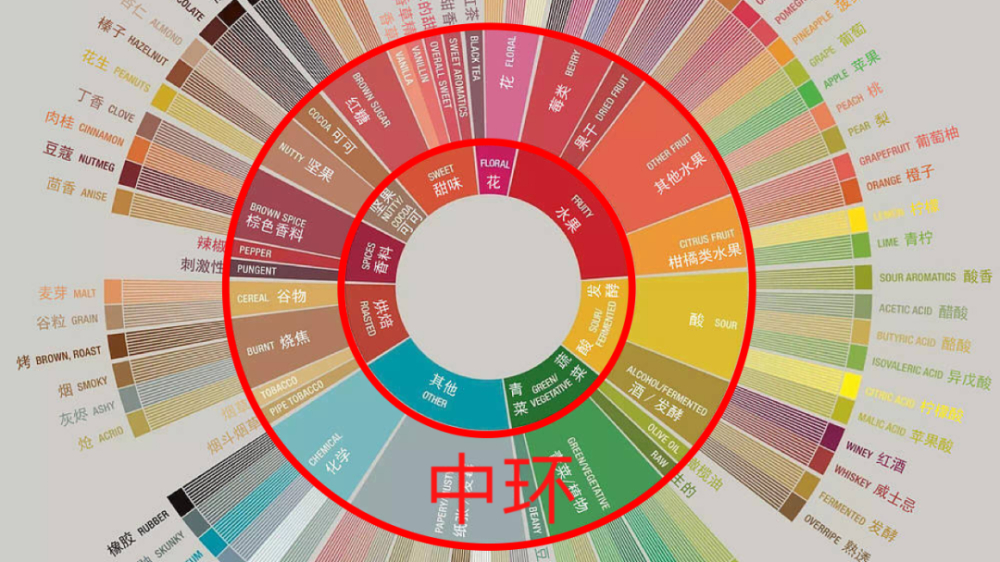 For common beginner misconceptions, such as confusing “bitterness” with “body,” it is recommended to pay special attention to the differences between the two. Bitterness is usually the result of high roast levels or over-extraction, while body refers to the texture and weight of the coffee in the mouth, closely related to roast degree, grind size, and brewing technique. Through continuous practice, you will be able to more accurately distinguish these details.
Moreover, the flavor wheel is not only applicable to professional cupping but also useful for everyday bean selection and brewing adjustments. For example, if you prefer coffee with prominent fruity notes, you can use the flavor wheel as a guide to choose beans from Ethiopia or Kenya, and adopt higher brewing temperatures and finer grinds during extraction to highlight their bright acidity and aromas.
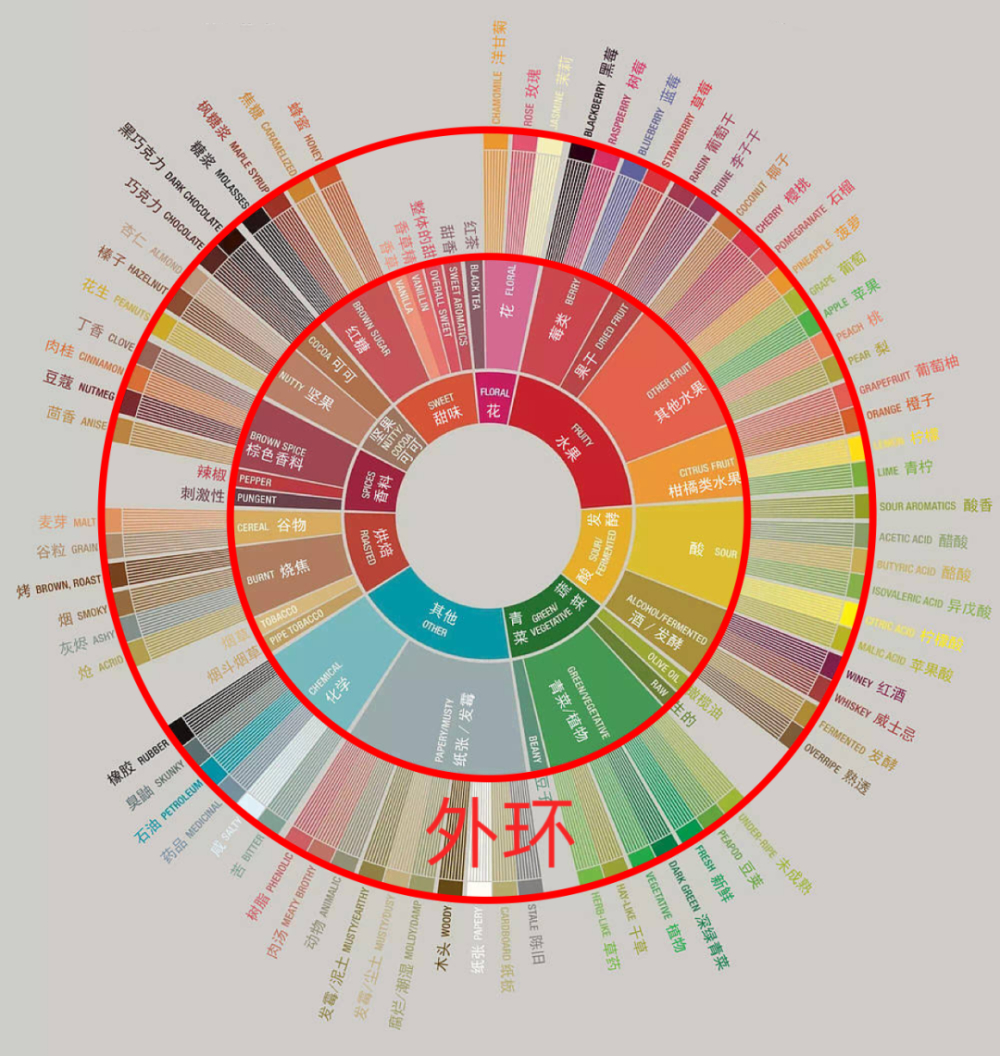
Finally, consistent practice and recording are the surest ways to improve your flavor recognition ability. It is recommended to record your impressions of aroma, flavor, acidity, body, and aftertaste each time you taste coffee, and try to match them with the descriptors on the flavor wheel. Over time, you will develop your own sensory vocabulary and be able to more confidently describe the unique flavors of each cup of coffee.

The above content is compiled by CoffeeHunters, a coffee news website.


