








Introduction:From the accidental discovery of an improved filtration method by a German housewife to pour over becoming the mainstream extraction technique in specialty coffee, this century-spanning evolution of coffee craftsmanship is packed with countless details. This article delves into the origins of the Melitta filter cone, the design ingenuity behind classic brewing tools from around the world, and how Japan elevated simple brewing into a form of life aesthetics. Whether you're a beginner looking to buy your first set of gear or a coffee enthusiast exploring the cultural roots of pour over, you’ll find practical insights here.
When contemporary coffee lovers first encounter specialty coffee, they often begin building their taste perception with pour over equipment. As precisely measured coffee grounds meet hot water in the filter cone, observing the bloom expansion and water flow path — every step influences the final flavor expression. But tracing back to its roots, this seemingly simple drip extraction method has undergone a hundred years of technological innovation to become the system we know today.

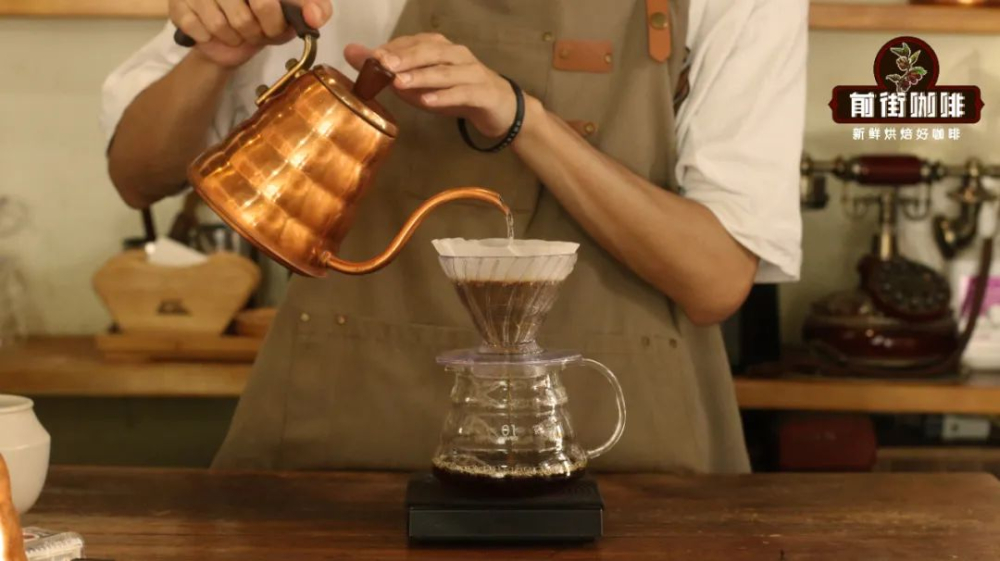
In the modern pour over process, each step — from grind size selection to circular pouring technique — carries the weight of historical accumulation. When extracting freshly roasted coffee beans using 15 grams of coffee and 93°C water, the structural design of the filter cone directly affects the evenness of water distribution. Many baristas recommend classic tools such as the V60 or Kalita Wave precisely because of their time-tested fluid dynamics properties.
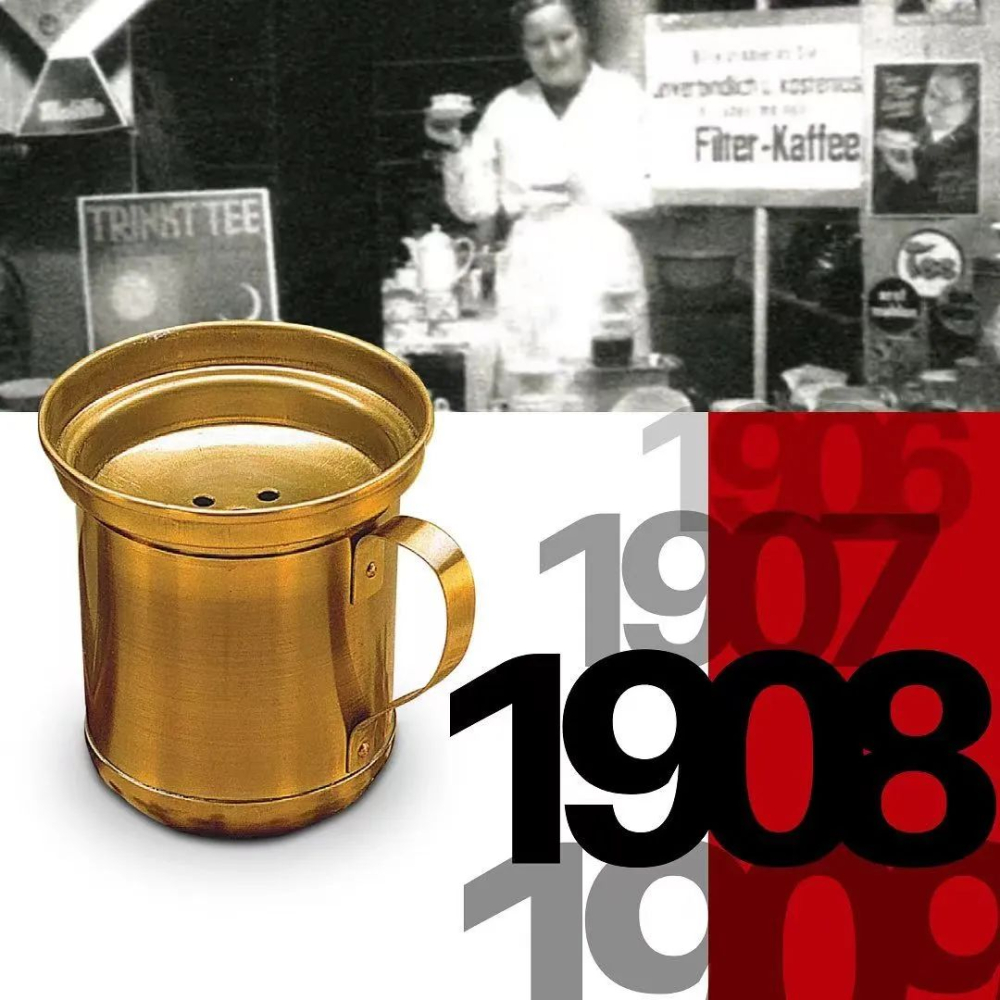
Before the 19th century, coffee preparation methods were rather primitive: coarsely ground coffee was boiled with water and then simply filtered through linen or metal mesh. This rough handling led to noticeable coffee grounds residue and, due to the long brewing time at high temperatures, often produced burnt, bitter flavors. The turning point came in 1908, when German housewife Melitta Bentz, aiming to solve the flaws of traditional filtration methods, tried drilling holes in the bottom of a copper container and lining it with blotting paper. This seemingly simple improvement unexpectedly created a filtration system that preserved coffee oils and aromatic compounds while completely separating out the residue.
The patented design Melitta subsequently applied for — an arched copper filter paired with dedicated filter paper — laid the foundation for the modern pour over. The company she founded continued to optimize the product, and the trapezoid-shaped filter cone became a long-time bestseller due to its stable extraction efficiency. It’s worth noting that early filter cones were mostly made of metal, and it wasn’t until after World War II that glass and ceramic versions gradually became widespread.
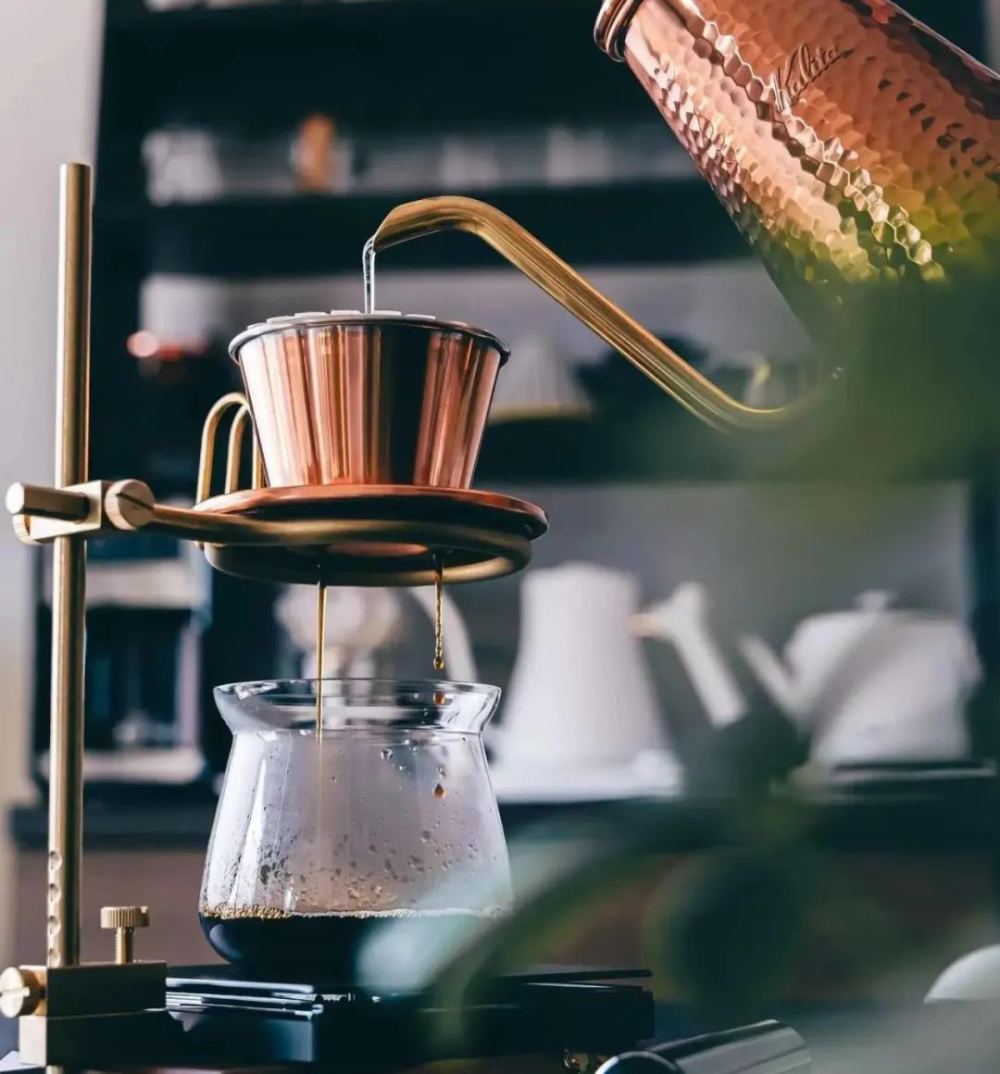
The development of pour over equipment shows a trend toward diversification. In 1941, an American chemist designed the Chemex brewer, which combined heat-resistant glass with a wooden frame for an elegant look. Around the same time, Japan’s Hario company addressed the flow rate issues of existing filter cones by adjusting the cone angle to 60 degrees and enlarging the bottom drainage hole, effectively improving extraction efficiency. Another widely loved option, the Kalita Wave flat-bottomed cake filter, achieves more even immersion through its flat base with multiple holes, and its patented wave groove design guides water to steadily penetrate the coffee bed.
Differences in filter cone structure directly affect coffee extraction performance. The single large hole design of the V60 suits brewing methods that aim for bright acidity, and it’s recommended to pair it with a medium-fine grind. In contrast, the multi-hole flat bottom of the Kalita Wave is better suited for longer extraction times to achieve a richer mouthfeel. Professional baristas point out that the thermal conductivity of different materials can influence temperature retention, so metal tools require adequate preheating.
The global spread of pour over culture displays distinct regional characteristics. Though originating in Europe, it was truly developed into a refined craft by the Japanese coffee scene. Starting in the 1950s, Japanese craftsmen elevated practical brewing into a lifestyle ritual infused with philosophical thought by refining filter cone structures and establishing standardized brewing parameters. This pursuit of perfection earned Japanese-style pour over international acclaim during the third wave of coffee.
The above content is compiled by CoffeeHunters, a coffee news website.


