







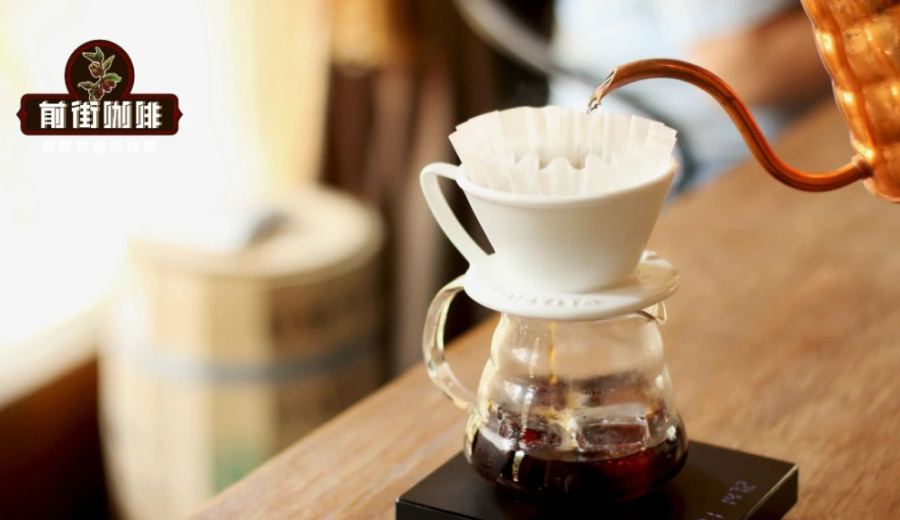
Introduction:The clever dripper is an innovative coffee brewing device that combines a filter dripper with a valve mechanism, originating from Taiwan. It’s simple to operate and delivers stable extractions. This article details how it works and, using Panamanian Elida Estate beans as an example, takes you step-by-step through the brewing process—from grinding and pouring to tasting—to master the techniques of this “lazy French press.” Practical parameters and common FAQs are also included.
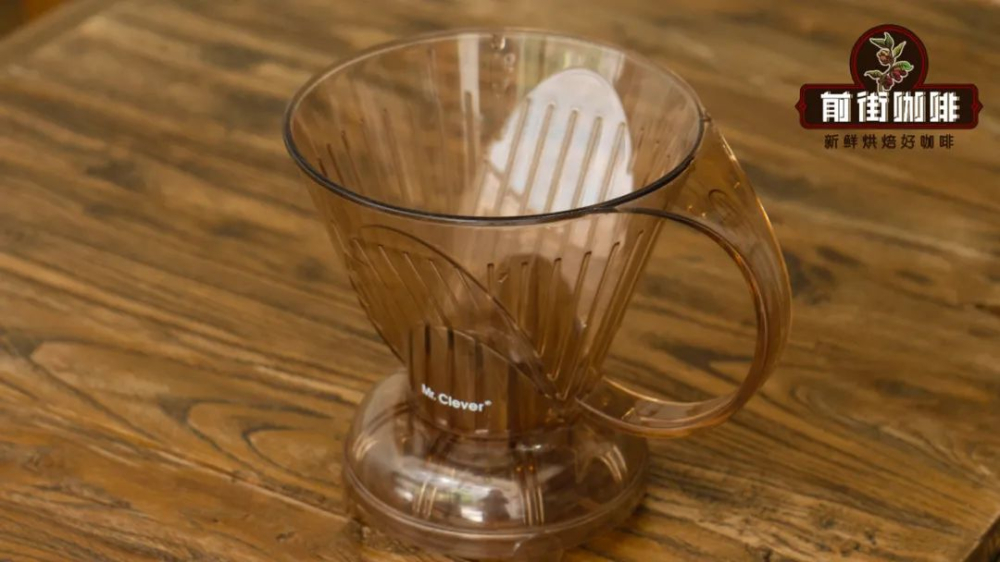
The clever dripper is an innovative coffee brewing tool developed and manufactured in Taiwan. It integrates a filter dripper with a bottom valve design to simplify the pour-over process. Its standout feature is the rubber piston valve at the base: it seals tightly during pouring to prevent leakage, then automatically opens when placed on a cup, allowing the coffee to slowly drip through. Simply pour hot water, let it steep, wait four minutes, then place it over your cup—the brew is ready. For cleaning, just discard the coffee grounds along with the filter paper and rinse clean with water.
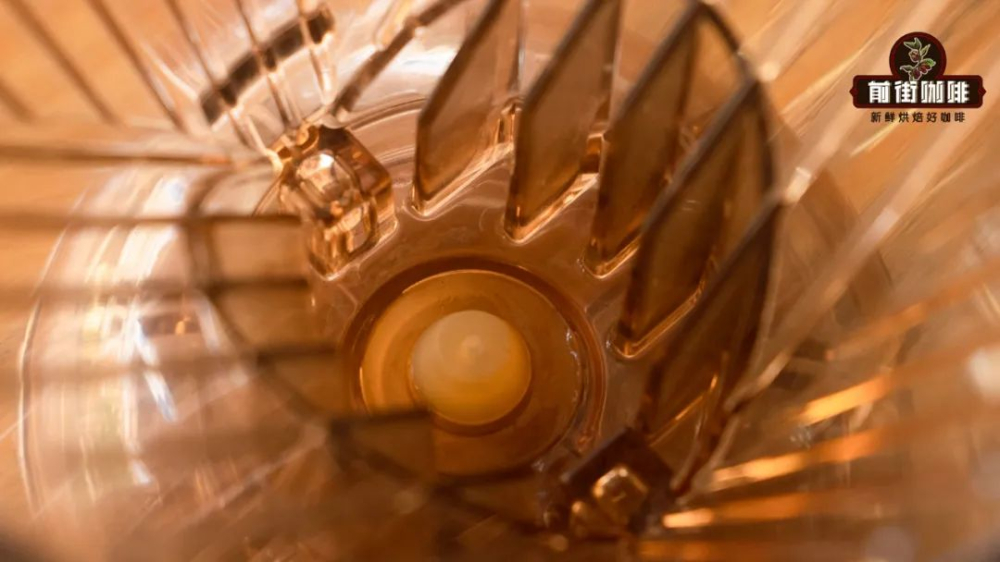
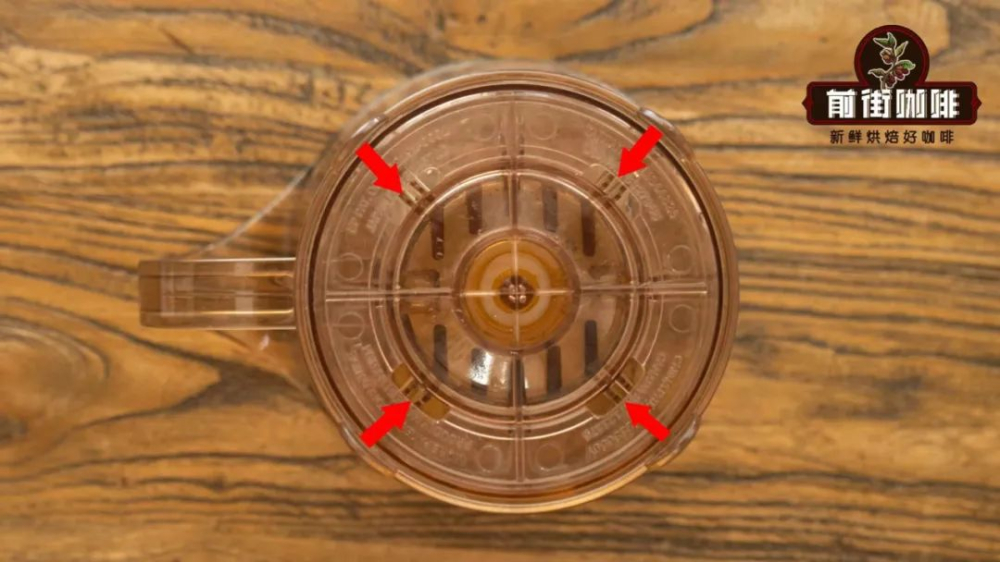
At first glance, the device looks like a regular filter dripper with a round base, but the key lies in the rubber piston valve at the bottom. When water is poured in, the pressure causes the piston valve to seal tightly, preventing any leaks. Once steeping is complete, placing the dripper on a container applies pressure to the base, opening the valve so the coffee slowly flows out through four holes. This design gives the clever dripper the flexibility of a pour-over with the convenience of a French press, making it a popular choice for many coffee beginners.
When using the clever dripper, it’s important to use filter paper to ensure proper filtration and easy cleaning. Choose filter paper of the appropriate size based on the dripper model—for example, a large fan-shaped filter. Preparation includes: the clever dripper, filter paper, coffee beans, hot water, and a receiving cup (the cup’s opening diameter should not exceed the base’s diameter, or it may interfere with valve opening). As for grind size, refer to standard pour-over guidelines—approximately 80% passing through a #20 sieve—and a coffee-to-water ratio of 1:15 as a baseline, such as 20 grams of coffee to 300 milliliters of hot water.
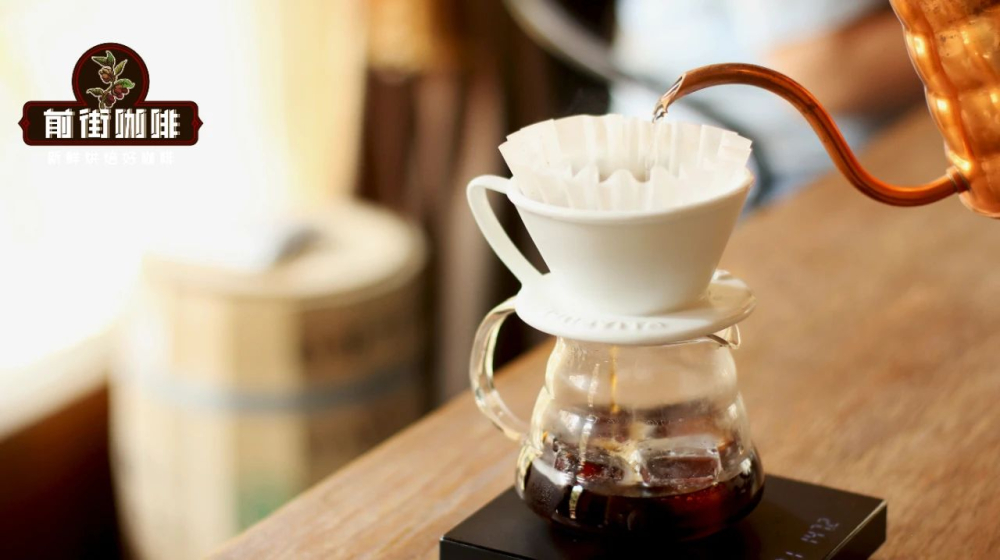
Here are the specific steps: First, place the filter paper in the clever dripper and rinse it with water to help eliminate any papery taste and preheat the device. Then add the coffee grounds and gently shake to level them. It’s recommended to use water at around 94°C; pour the calculated amount of water all at once (e.g., 300 milliliters), then start the timer and let it steep for four minutes to allow full extraction. Once time is up, place the clever dripper steadily on the receiving cup—the valve will open under pressure, and the coffee will naturally drip through. Give it a slight shake before enjoying.
Take Panamanian Elida Estate beans as an example: although their flavor profile is slightly less pronounced than with a traditional pour-over, they still showcase a bright citrus acidity, paired with the sweetness of peaches and a subtle raisin-like fermentation note. The whole process is straightforward and beginner-friendly, requiring no complex skills—perfect for busy individuals or newbies looking to enjoy the pour-over experience.
Common issues include: using incorrectly sized filter paper, which can lead to poor filtration—always check the cup model beforehand; water temperature that’s too low can reduce extraction efficiency, so aim to maintain 90–96°C; and steeping for too long may cause over-extraction—four minutes is a general guideline and can be adjusted slightly to taste. Be sure to rinse away any residual coffee oils during cleaning to avoid affecting the flavor of your next brew.
The above content is compiled by CoffeeHunters, a coffee news website.


