







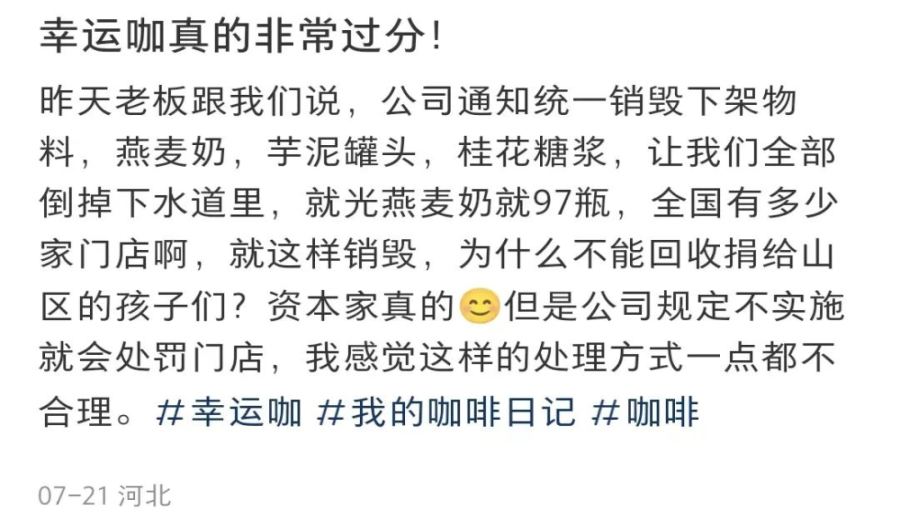
Introduction:Recently, a well-known chain coffee brand, in response to removing certain products from its shelves, required its outlets to pour unopened oat milk, syrups, and other ingredients down the drain for disposal. Once the incident came to light, it sparked widespread discussion on food waste and environmental protection. Why can’t fresh ingredients be repurposed? What considerations lie behind such disposal practices by the brand? This article delves into the background of the incident and explores more rational ways to utilize resources.
Recently, a prominent chain coffee brand, due to adjustments in its product line, instructed its outlets to dispose of various ingredients—including unopened oat milk, taro paste cans, and osmanthus syrup—by pouring them all down the drain. This move has drawn extensive attention from consumers and industry insiders. According to multiple netizens claiming to be outlet employees, the brand not only demanded the dumping of perfectly good ingredients but also required them to take photos or videos as proof of compliance, or else the outlets could face penalties.
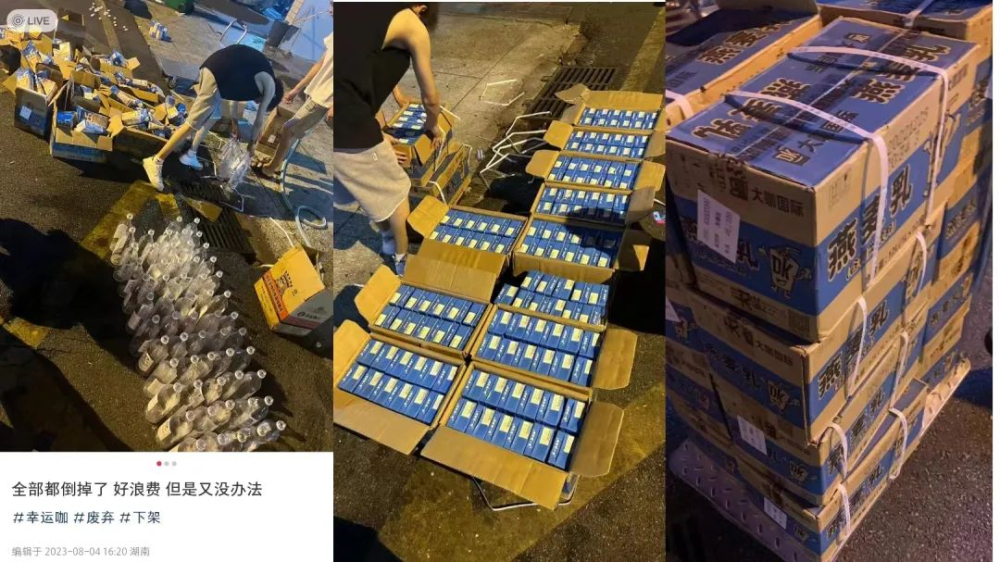
From the leaked footage, large quantities of unopened oat milk and syrups were seen being opened one by one and directly poured into drainage holes, with even boxed quantities being disposed of en masse. After this incident came to public attention, numerous industry employees confirmed on social media platforms that similar practices are common, and that the brand explicitly required video or photographic documentation of the disposal process as a basis for subsequent subsidy disbursement.
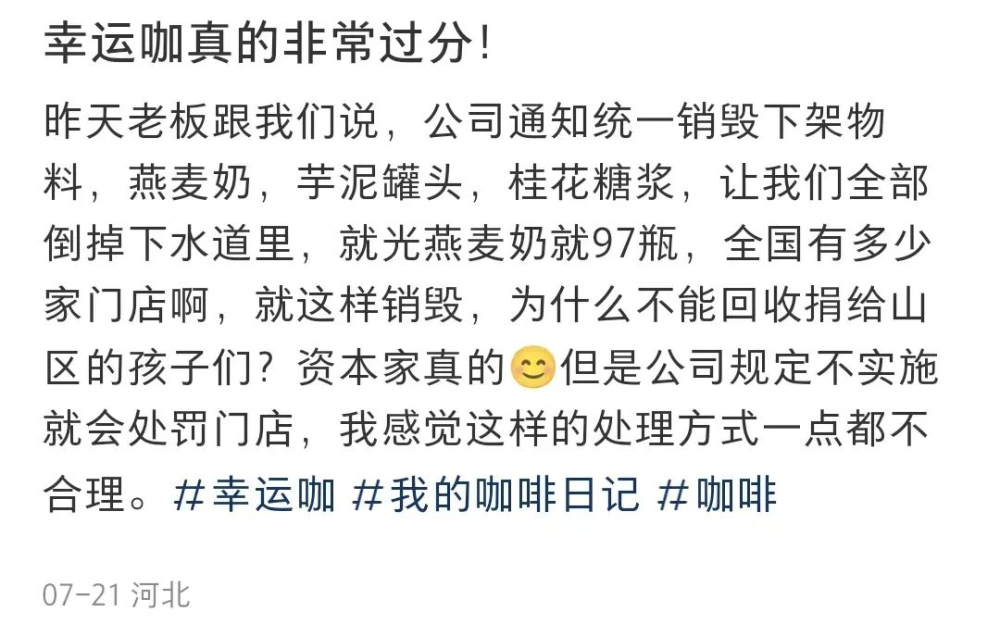
Generally speaking, in the food and beverage industry, ingredient disposal usually occurs due to unavoidable reasons such as damaged packaging, expiration, spoilage, or contamination. However, in this case, the ingredients involved were all unopened and still within their shelf life, and were mainly discarded to accommodate the removal of specific drinks such as Osmanthus Oat Latte and Coconut Taro Ice Cream. Although the brand has removed these related products from its official ordering platform, the method of disposing of large quantities of intact ingredients has still sparked controversy.
Many netizens have expressed that while they understand the brand’s position, directly discarding unused ingredients is undeniably wasteful, and they suggest considering donating them to charitable organizations or finding alternative uses after proper storage. Some have even pointed out that allowing those in need to access these items through donation channels would not only reduce waste but also enhance the brand’s image. However, other netizens have raised practical challenges, such as transportation, storage, and food safety liability issues, which make implementation of donations difficult.
Regarding environmental concerns, some observers have noted that pouring large amounts of liquid ingredients directly into drains not only violates the principle of sustainable resource use, but may also place additional strain on urban drainage systems, potentially even affecting rainwater discharge capacity. Storm drains are originally designed to handle natural rainfall, not commercial waste, and such actions may contravene relevant environmental protection laws and sewer management regulations.
From the brand’s perspective, requiring immediate disposal might be intended to prevent outlets from misusing, selling, or improperly handling the ingredients, which could lead to food safety risks—especially when the products have already been delisted and no longer meet brand standards. However, setting a buffer period to allow outlets time to promote remaining stock or allocate unused ingredients more reasonably could potentially reduce waste while balancing operational needs and social responsibility.
This incident also prompts reflection on overall management of the food and beverage supply chain. As product structures are rapidly adjusted, how to balance inventory clearance, food safety, environmental protection, and efficient resource utilization has become a common challenge faced by chain brands. At present, the brand has removed two related drinks from its official mini-program, but there remains room for further improvement in how unused ingredients are handled more appropriately.
The above content is compiled by CoffeeHunters, a coffee news website.


