







Introduction:Due to its low-temperature slow extraction method, cold brew coffee delivers a smoother and more layered flavor profile. But how do you choose the right coffee beans based on your personal taste preferences? This article will delve into the performance of various beans in cold brew—from the bright fruit acidity of light to medium roasts, the floral and fruity notes of natural processed beans, to the rich chocolate and spice flavors of medium-dark and dark roasts. It also provides practical pairing suggestions and flavor-enhancing tips to help you find your perfect cold brew beans.
Cold brew coffee, through its low-temperature long-steeping process, effectively reduces the volatility of acidic compounds and the loss of aroma, resulting in a smoother, more balanced overall taste with significantly less bitterness. However, with so many types of coffee beans available on the market, how do you choose the right ones to extract your ideal flavor? This article will explore the performance of different beans in cold brew from the perspectives of roast level and processing method, and recommend several representative options to help you easily master the key points of selecting beans for cold brew.
The Principles of Cold Brew Extraction and Flavor Characteristics
Cold brew is a low-temperature immersion extraction method. Because it is brewed at a lower temperature, it effectively suppresses the release of acidic compounds while reducing the loss of aroma through evaporation. This results in a more concentrated coffee flavor and a richer mouthfeel. This method is particularly well-suited for highlighting the sweetness and full-bodied base of coffee, and can present a diverse range of flavor directions depending on the bean variety and processing method.
< >
Selection Tips for Floral and Fruity Beans
If you prefer a refreshing and bright fruit acidity paired with fragrant floral notes, light to medium roasted coffee beans are your best choice, especially those from African and Central American origins, which often feature distinct floral and fruity characteristics. For a stronger fruit acidity profile, consider washed-processed beans from Kenya, Ethiopia, or Panama—these processing methods highlight high acidity and fruity flavors, maintaining a vibrant taste akin to freshly squeezed juice even after cold brewing. Washed Yirgacheffe or Guatemalan beans are good examples.
If you lean toward an iced coffee with a soft fruit tone and balanced sweetness, naturally processed beans are more suitable. Natural processing increases the sugar content of the beans, giving the coffee a richer sweetness and ripe tropical fruit flavors. Over the long cold brew period, floral and fruity aromas along with fermentation notes become more integrated, resulting in a layered and complex flavor profile. A particular bean with clear natural processing characteristics is a great representative, offering distinct floral and berry tones—perfect as a base for cold brew.
Direction for Selecting Beans with Distinct Flavors
With the development of the specialty coffee market, more and more origins are introducing innovative processing methods that allow coffee to showcase more concrete and unique aroma profiles—such as distinct notes of strawberry, passion fruit, grape, or even tea. These beans can bring a more intuitive and enjoyable taste experience for those new to cold brew. If you enjoy iced coffee with intense aromas, prioritize beans with pronounced fruity expressions. For instance, strawberry sugar-flavored beans often carry dried fruit and berry tones, while Sidra-processed beans frequently exhibit refreshing passion fruit and grape notes—ideal for crafting personalized cold brew beverages.
< >
Strategy for Choosing Medium-Dark Roast Beans
For those who don’t favor strong acidity and instead prefer a warm, full-bodied flavor, medium-dark roasted coffee beans are the ideal choice. This roast level retains some acidity while bringing out warm notes such as caramel, spices, and chocolate, making the cold brew coffee’s texture smoother and more balanced. Medium-dark roast beans won’t completely erase acidity, thus adding a touch of vibrancy to the overall flavor. Recommended classic medium-dark roast beans include Queen Estate, Bird of Paradise, or Typica—after cold brewing, they exhibit a distinct chocolate base and a gentle caramel finish.
Flavor Profile of Dark Roast Beans
If you’re aiming for a smooth, thick texture devoid of any acidic interference, purely enjoying the interplay of spices and chocolate, then dark roast beans are the undisputed choice. During the dark roasting process, the acidity of the beans is almost entirely transformed, replaced by the bitter-sweet balance of dark chocolate and the deep complexity of spice notes. For example, classic dark roast beans like PWN Golden Mandheling, when cold brewed, deliver extreme richness and stability—perfect for those who enjoy a single-origin, full-bodied flavor. As a cold brew base, they offer immense satisfaction.
Flavor Enhancement Tip: Dried Flowers to Complement Cold Brew
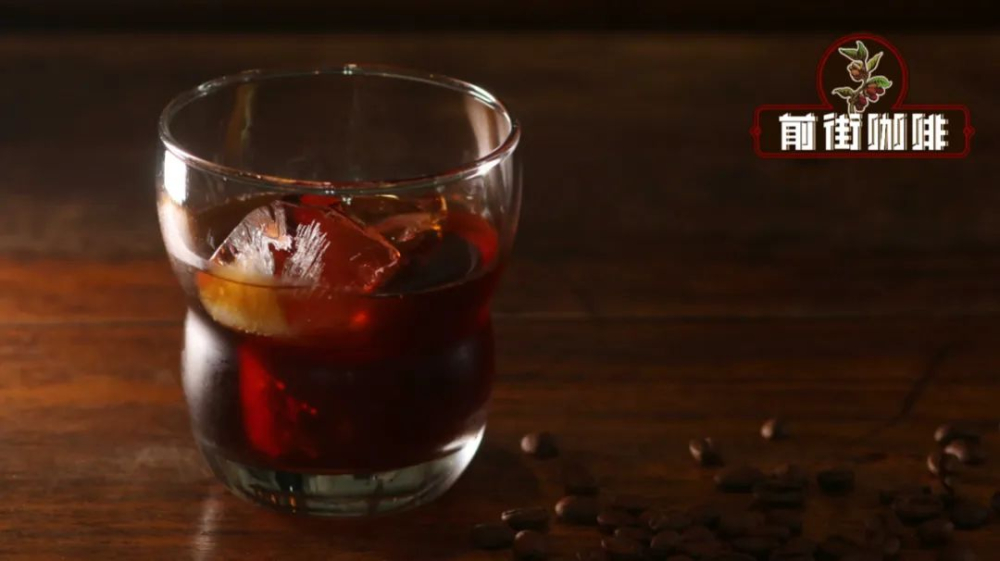
In addition to choosing the right coffee beans, you can also add simple ingredients to enhance the aroma layers of your cold brew. For example, adding a small amount of dried osmanthus or jasmine during the cold brew process can infuse the drink with a subtle, elegant floral note that creates a delicate contrast with the coffee base. It’s recommended to choose dried flowers with a distinct aroma and floral-fruit compatibility, such as osmanthus, jasmine, and rose. These flowers are not only easy to obtain but also complement light-medium roast beans with floral and fruity profiles. However, bear in mind that the flavor of dried flowers is relatively delicate, so it’s best to use them sparingly as an accent—avoid overpowering the core flavor of the coffee itself.
< >
The above content is compiled by CoffeeHunters, a coffee news website.


