








Introduction:The frequently heard "one shot" or "double espresso" when ordering often hides behind it the professional calculations and evolution of baristas. This article takes you deep into the original definition of an espresso shot, the traditional and modern extraction parameter differences between single and double shots, and explains why the portion sizes of shots from different shops can vary greatly. Through practical extraction examples and key data, help you master ordering tips and the basic knowledge for evaluating espresso quality.
When walking into a café, you often hear customers say, "Add one shot" or "I want a double espresso," but do you really know how much coffee these terms represent? In coffee terminology, the word "shot" has long become synonymous with espresso, but its definition and actual application have been continuously adjusted along with the times and technological advancements.
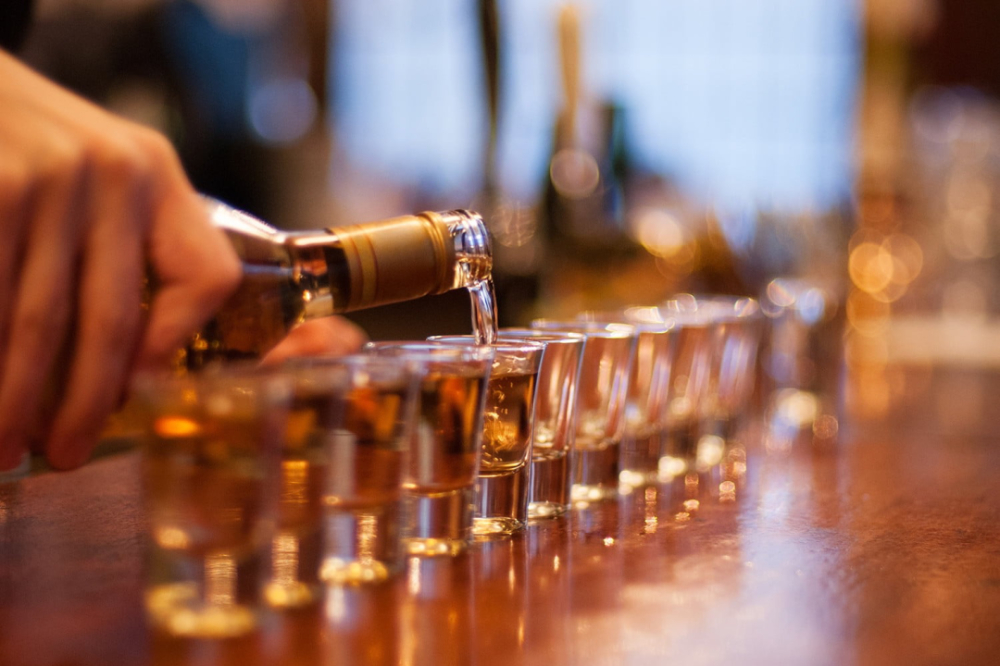
Originally, the term "shot" came from alcohol culture, referring to a small glass of spirits, traditionally about 30 milliliters (1 ounce). This concept was borrowed into the coffee field to describe the portion size of a small cup of espresso. At that time, baristas didn’t have precise electronic scales and could only rely on visual observation and standardized portafilters to guide the extracted coffee into two cups of about 30 milliliters each, using this to judge whether the extraction was complete.

In the original Italian word "espresso," the emphasis is on the concept of "fast." Customers typically finished this cup of espresso standing up and quickly left, so the portion size of espresso was designed to be small and intense, much like drinking a shot of liquor. This is also why the term "shot" was naturally introduced into coffee vocabulary to describe this small cup meant to be consumed in one gulp.
Traditionally, a single shot (single shot) refers to using a single-shot basket, with about 7 grams of coffee grounds, extracting approximately 30 milliliters of espresso; while a double shot (double shot) uses a double-shot basket, with 14 grams of coffee grounds, extracting about 60 milliliters of espresso. This extraction formula was once the industry standard, and coffee volume was the main basis for judgment.
However, with the advancement of coffee machine technology, especially the upgrade of pressure systems, and modern baristas' pursuit of precision, the measure of extraction has gradually shifted from volume to actual liquid weight. Nowadays, when using a double-shot basket, the common extraction ratio has been adjusted to about 18 to 20 grams of coffee grounds, extracting around 36 to 38 grams of espresso (approximately equivalent to 50 milliliters), rather than the traditional 60 milliliters. Such adjustments better reflect the coffee’s concentration and flavor expression.
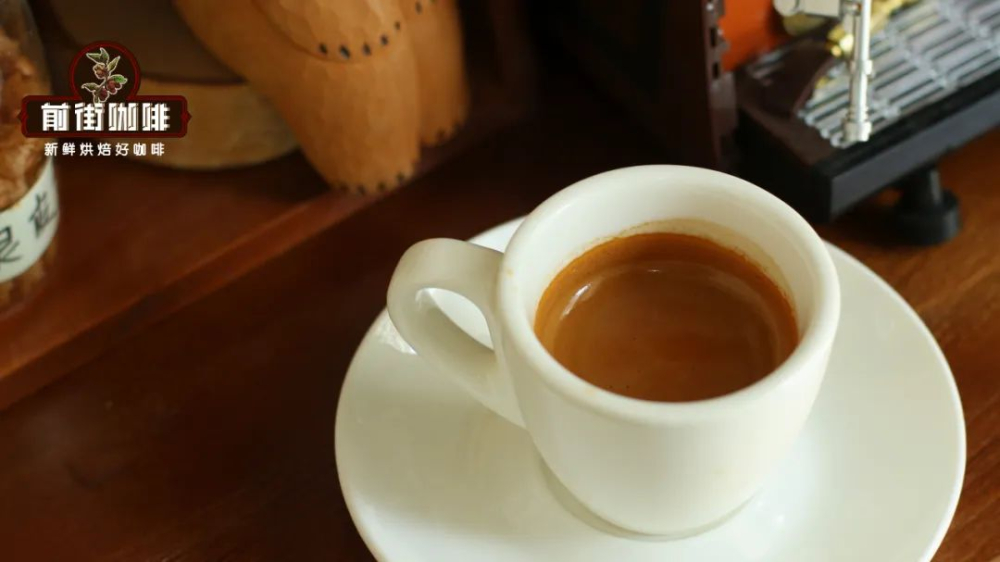
It’s worth noting that although coffee crema occupies a certain volume, its weight is relatively light, so an espresso that looks full may actually contain less liquid coffee than expected. This is also why you can’t simply judge the actual content of a shot based on the height of the liquid in the cup.
So, why might you get completely different portions when you order a "shot" at different cafés nowadays? The reason is that most shops now default to using a double-shot basket and design unique extraction ratios based on the characteristics of the coffee beans they use. Some baristas may use a 20-gram capacity basket, add 19.8 grams of coffee grounds, and extract for 29 seconds to get 38 grams of espresso—such a double shot will have significantly different concentration and total volume.
For example, if you choose a single shot, some baristas might use a portafilter with a spout to divide the extracted coffee into two cups and only serve one of them. In such a case, a single shot might only contain about 19 grams of espresso. Therefore, even if you order the same "shot," the actual weight of the coffee liquid and the espresso concentration may vary significantly depending on the shop.
In summary, the portion size of an espresso shot is not fixed, but continues to adjust with technological advancements, improvements in extraction tools, and the varying characteristics of coffee beans. Understanding this background and practical details can help you make more informed choices when ordering and allow you to more accurately appreciate the unique flavor and concentration of each cup of espresso.
The above content is compiled by CoffeeHunters, a coffee news website.


