







Introduction:Many coffee enthusiasts only pay attention to the expiration date printed on the packaging, yet overlook the more crucial flavor window—the best-by date. This article delves into the relationship between the shelf life, best-by date, and production date of coffee beans, and explores the true meaning of the degassing period. Through practical examples and expert advice, it helps you grasp the optimal brewing timing so that whether you’re using pour over or espresso, you can extract coffee at its peak flavor.
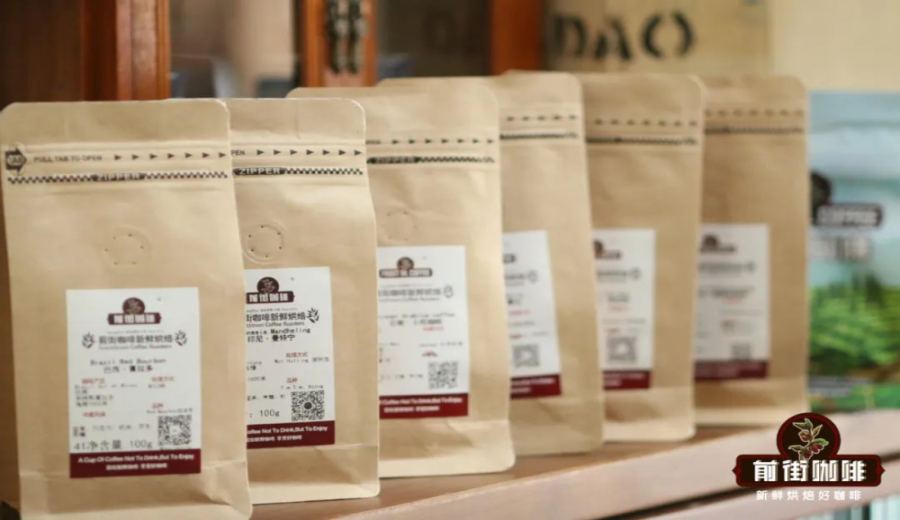
Have you ever noticed the expiration date and production date marked on your coffee bean packaging? For coffee lovers who pursue flavor, simply confirming the food safety expiration date is not enough. More importantly, you need to understand the peak flavor period of the coffee—what we call the best-by date. During this time, coffee beans can exhibit their fullest aroma and taste, which is far more significant than merely being “safe to drink.”
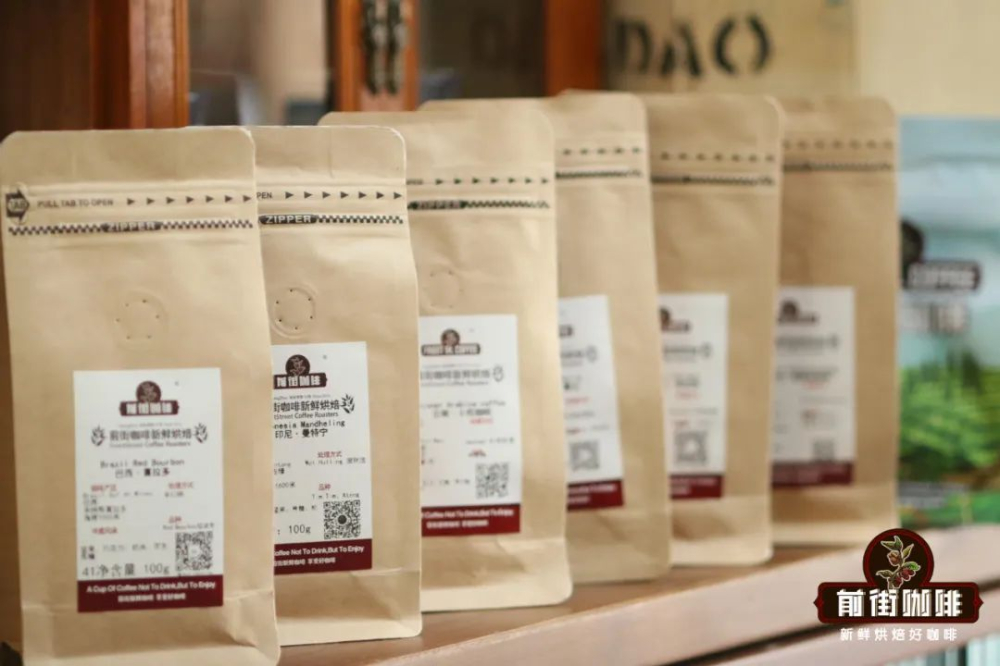
The so-called shelf life is generally a timeframe set according to food safety standards, ensuring that the coffee beans will not pose any health risks during this period. However, the world of specialty coffee places greater emphasis on flavor expression. That’s why we introduce the concept of the best-by date, which refers to the time range during which coffee beans can deliver their optimal aroma and flavor characteristics when brewed—often much shorter than the shelf life.
Many people wonder: if coffee beans need to degas, why do some sources recommend brewing them right after receiving? This seemingly contradictory advice actually makes sense. Freshly roasted coffee beans do indeed require some time for the internal carbon dioxide to gradually release, a process that aids in flavor development. But if you’ve never experienced coffee beans roasted just a short while ago, you might never be able to judge what an “under-degassed” state truly feels like.
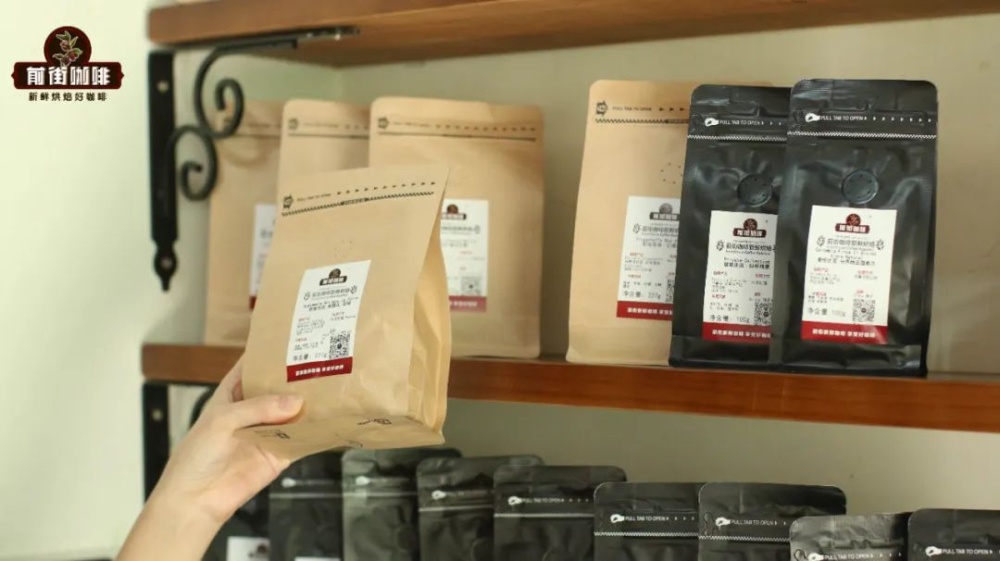
In fact, most professional roasters, such as well-known roasting facilities in Guangdong, typically base their production schedules on short-term demand and often ship the beans within 5 days of roasting. Factoring in shipping time, the coffee beans you receive were likely roasted no more than a week prior. In such cases, the so-called degassing period can actually be adjusted flexibly, depending on your flavor preferences and brewing method.
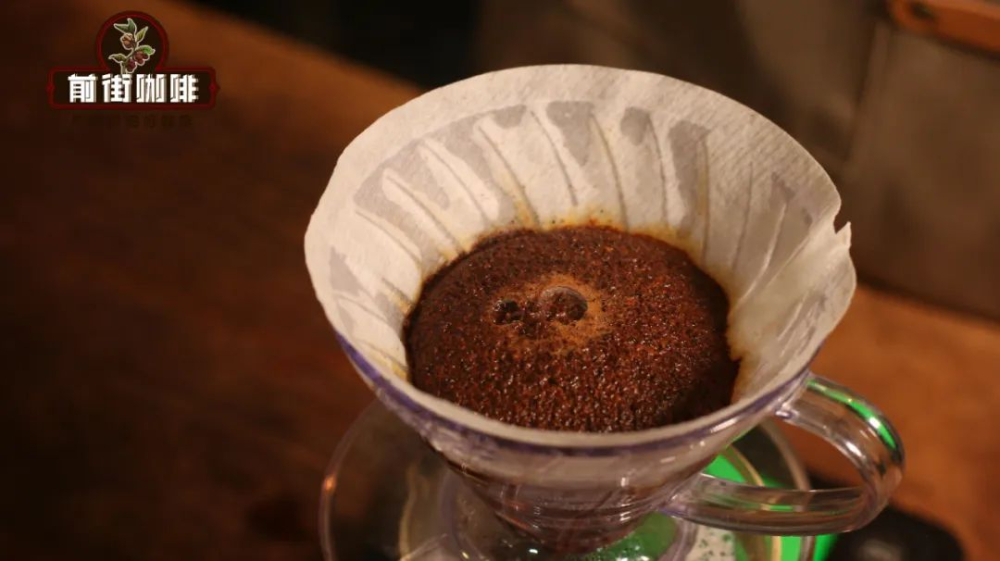
For pour over coffee enthusiasts, the length of the degassing period directly affects brewing performance. Generally speaking, light roast beans are recommended to degas for 3–7 days, while medium to dark roasts may require 5–10 days. This allows the coffee beans to reach a better balance of flavors. But if you want to personally experience the transformation of coffee beans from “not fully degassed” to “peak flavor,” try brewing the same batch at different time points and compare the differences.
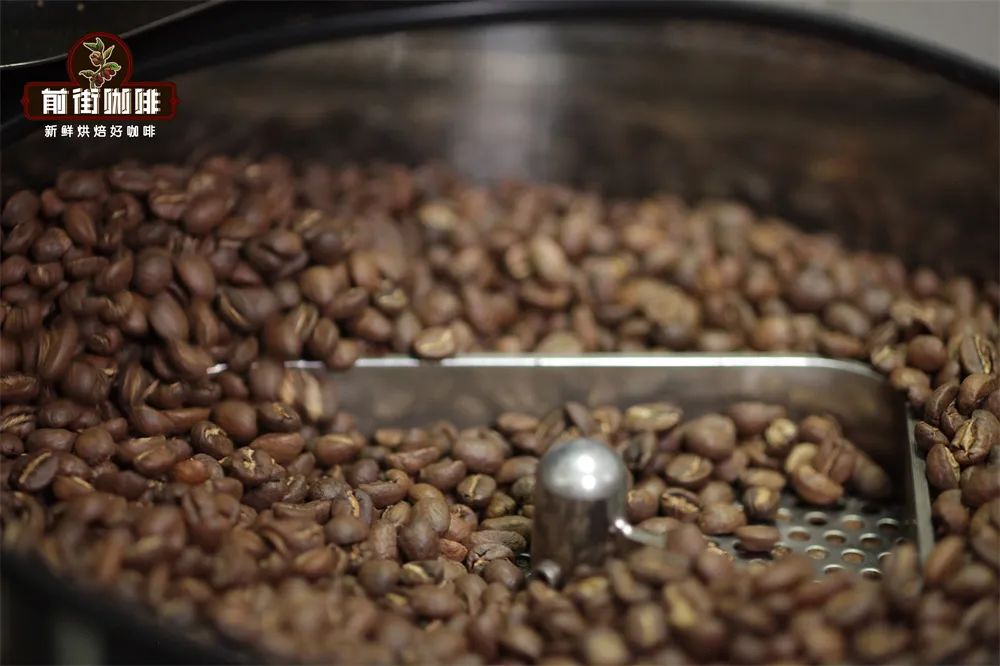
In summary, understanding the relationship between the shelf life, best-by date, and degassing period of coffee beans can help you make wiser choices. Whether you’re a beginner or an experienced coffee aficionado, mastering these basic concepts will allow you to enjoy the best-flavored coffee experience with every brew.
The above content is compiled by CoffeeHunters, a coffee news website.


