







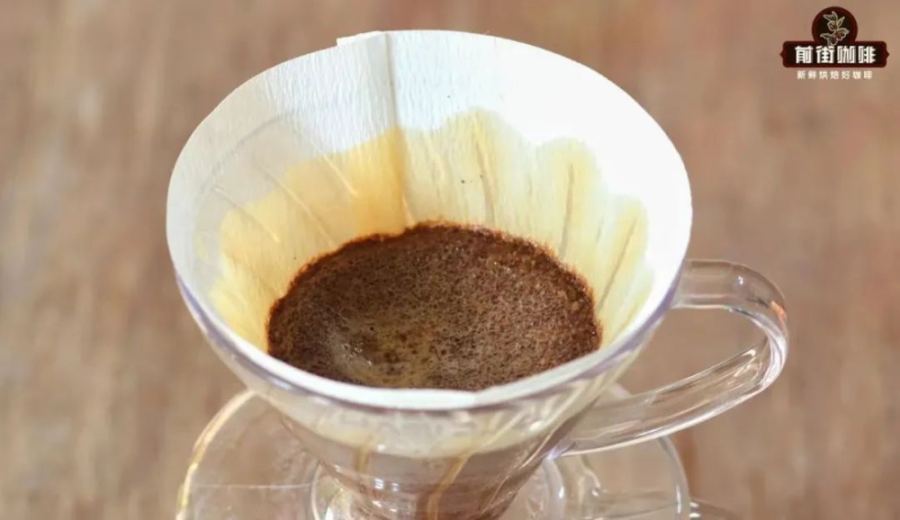
Introduction:The blooming stage of pour over coffee is a critical step that impacts the overall extraction quality. When the coffee grounds fail to form a plump “hamburger” mound after pouring water—or even collapse—it may indicate issues with certain details. This article delves into five common causes, including coffee bean freshness, grind size, bed saturation, pouring technique, and roast level, and provides practical adjustment tips and pouring details to help you master the skill of consistently achieving a beautiful bloom.
In the pour over process, the blooming stage marks the beginning of flavor development in your cup. When hot water touches the coffee bed, it slightly rises, forming a round and full “hamburger”-shaped mound. This is an important indicator many coffee enthusiasts use to assess the beans’ condition and extraction potential. However, if the coffee bed fails to puff up during blooming—or even collapses—not only does it affect visual appeal, but it may also suggest incomplete extraction, thereby compromising the final flavor.
So why can’t we sometimes achieve the ideal bloom during the blooming stage? This article will analyze the issue from five main aspects: the freshness of the coffee beans, the coarseness of the grind, whether the coffee bed is evenly saturated, the strength and volume of water poured, and the roast level of the beans. Alongside practical observations and adjustment suggestions, it will guide you step-by-step to identify the problem and help you master techniques for achieving an evenly puffed coffee bed.
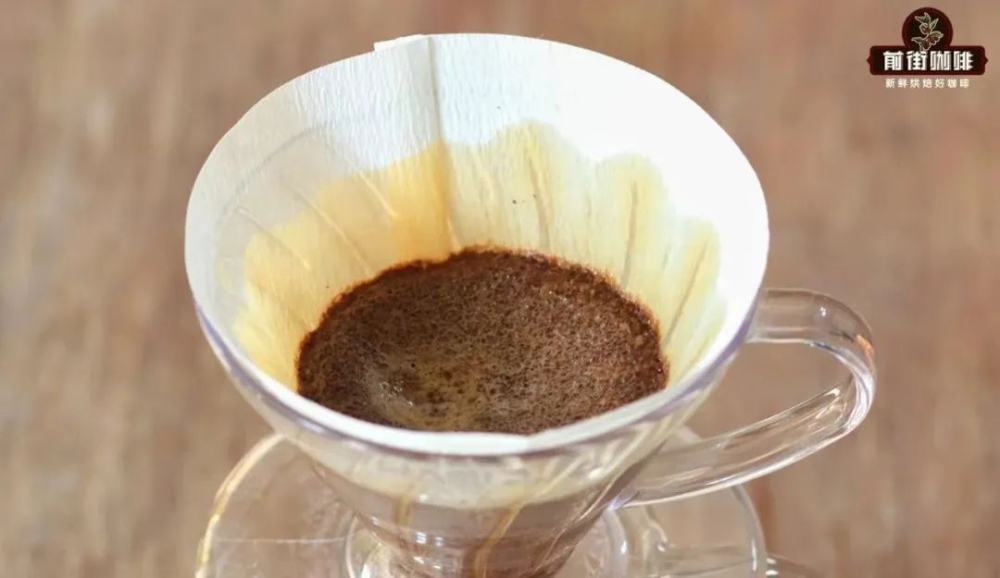
First, let’s understand why a so-called “hamburger” mound forms on the coffee bed during blooming. Essentially, this is the result of carbon dioxide accumulated inside the coffee beans during roasting being released under the right conditions. During roasting, high temperatures cause the internal cell walls of the beans to expand, creating numerous tiny pores and storing large amounts of carbon dioxide. Once the beans return to room temperature, these gases gradually release, and the blooming process is designed to allow these gases to escape moderately before formal extraction, while also “activating” soluble flavor compounds to pave the way for subsequent extraction.
A plump mound usually indicates active carbon dioxide release and suggests better extraction potential. But if the mound is slow to form or the bed sinks, it may involve one or more of the following common factors.
First iscoffee bean freshness. Generally speaking, within about four to five weeks after roasting, coffee beans continue to release carbon dioxide, and this period is also when their flavor performance peaks. However, if the beans have been stored for too long and much of the carbon dioxide has dissipated, a noticeable bloom won’t form during blooming. This not only affects aroma release but may also lead to reduced overall extraction efficiency, resulting in a duller cup.
The second common reason isgrind size that is too coarse. When the grind is set too coarse, the gaps between coffee particles become larger, allowing water to pass through the bed without fully saturating each particle. In such cases, gases cannot be effectively trapped and may easily escape through the gaps, preventing the bed from puffing up or even causing it to collapse. This is especially likely when switching bean types—for example, from medium-dark roasts to higher-gas anaerobic-processed beans—if the grind size isn’t adjusted accordingly. If you find your coffee tasting thin or the brew time unusually short (e.g., under 1 minute 55 seconds), try refining your grind to roughly the fineness of granulated sugar, which can help improve bed structure and blooming performance.
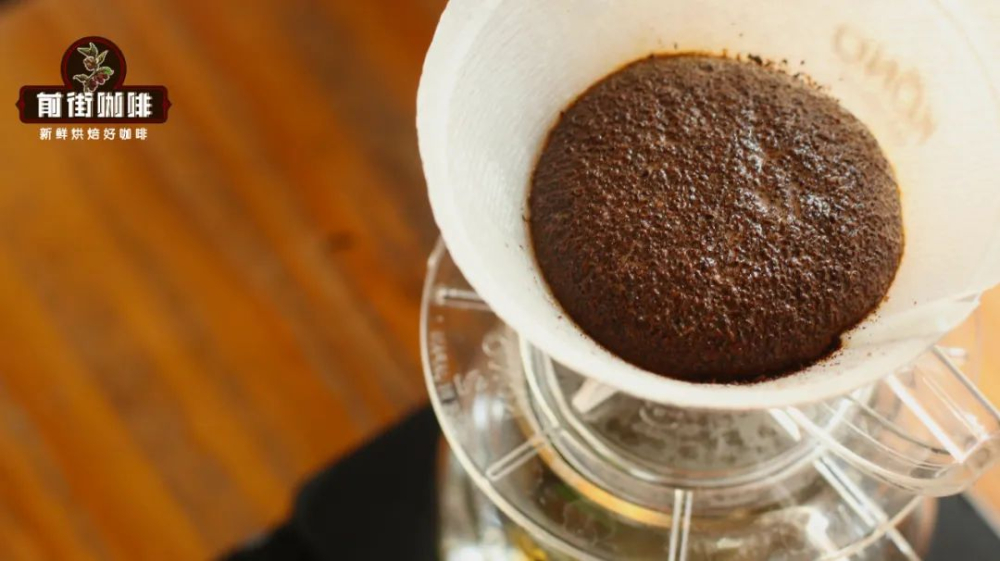
The third possible issue isincomplete saturation of the coffee bed. Some pour over enthusiasts may control pour time and water volume, but due to uneven pouring paths or techniques, some coffee grounds may not get wet. In such cases, the unwetted grounds can’t effectively release carbon dioxide, affecting not only mound formation but also leading to uneven extraction later. If you notice the coffee bed not rising uniformly during blooming, consider slightly increasing the blooming water volume (for example, adding about 5 grams more than the usual 2x dose), ensuring all coffee particles are evenly soaked to facilitate proper gas release.
The fourth factor relates topouring strength and water volume control. Many beginners and even advanced brewers, while following the basic formula of “2x dose water for 30 seconds,” may inadvertently pour too forcefully or use too much water, causing the water to rush through the bed without uniform penetration. In reality, coffee grounds can only absorb about twice their weight in water; excess water will quickly drain along the filter cone edges, undermining bed stability and causing the mound to collapse. It’s recommended to start with a smaller initial water volume (for example, for 15 grams of coffee, limit blooming water to 35 grams or less), and pour gently and evenly in small circles from the center outward. This helps the bed rise steadily and form a nice “hamburger” shape.
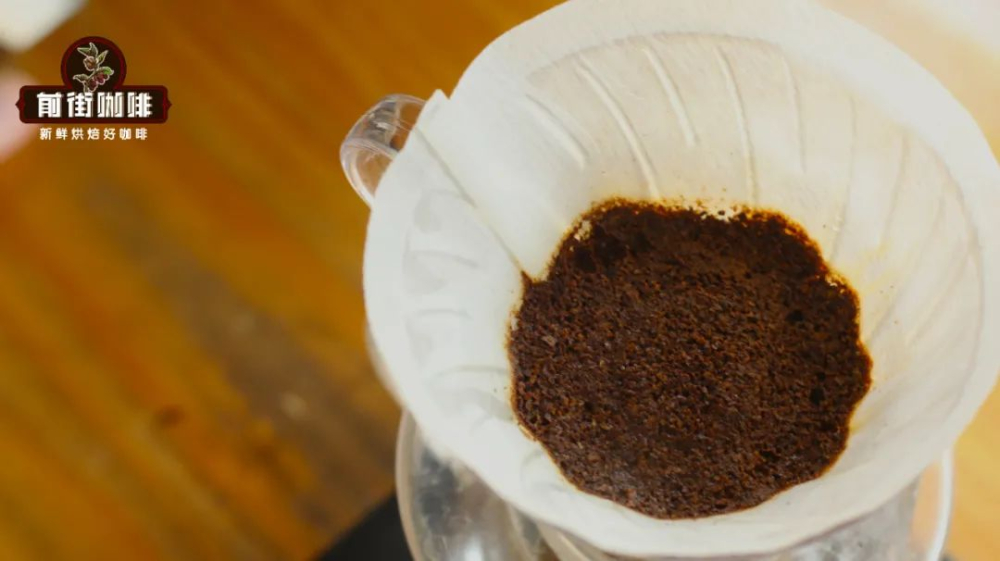
The last factor that may affect the bloom mound isthe roast level of the coffee beans. Extremely light roasts, due to shorter roasting times and relatively tighter bean structure, contain lower levels of internal carbon dioxide, so they often don’t produce a very pronounced bloom. In such cases, the mound may appear flatter or only slightly raised—this is normal and doesn’t necessarily mean extraction has failed. Additionally, these beans may produce thinner crema during subsequent pours, yet they can still showcase unique flavor characteristics.
In summary, although the blooming stage of pour over coffee may seem simple, it involves many details that influence overall extraction quality. By observing the shape and stability of the bloom mound, we can preliminarily assess the beans’ condition and the appropriateness of our technique, and then adjust grind size, pouring, and soaking strategies to further enhance the performance of every pour over cup.
The above content is compiled by CoffeeHunters, a coffee news website.


