








Introduction:In recent years, decaffeinated coffee has gradually become a new focal point in the coffee market, attracting the investment and development efforts of many chain brands. What exactly is decaffeinated coffee? How does it meet the needs of caffeine-sensitive individuals? This article delves into the technical principles, market trends, and consumer concerns surrounding decaf coffee, helping you understand the potential and challenges of this niche market.
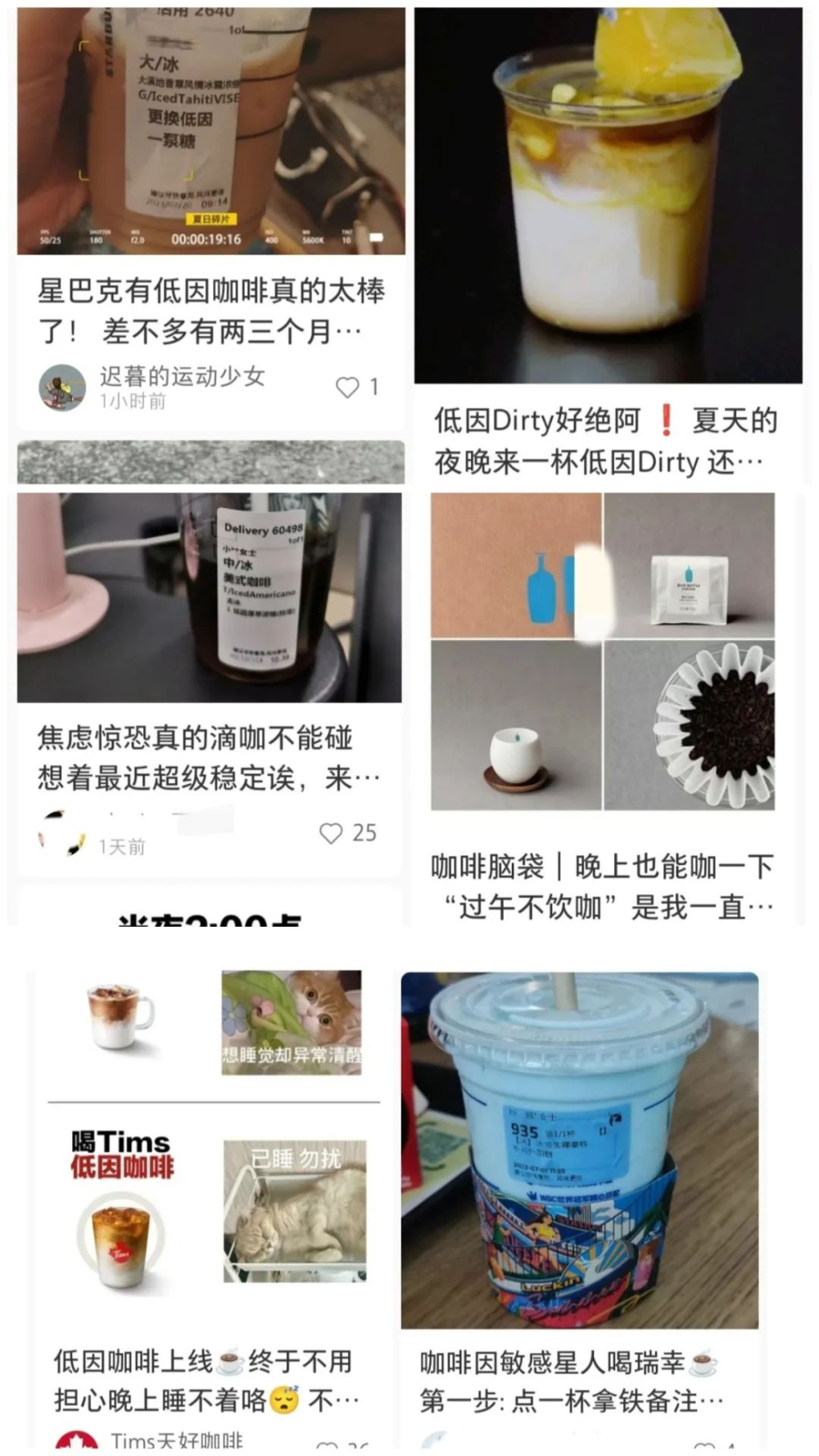
Recently, discussions about decaffeinated coffee on social platforms have continued to heat up. Well-known chain brands, including Tims, Starbucks, and Blue Bottle, have successively launched decaf product lines, drawing widespread market attention. According to statistics, approximately 61.25% of the global population experiences varying degrees of caffeine intolerance, and the needs of this large group are driving the gradual formation of the decaf coffee market.
So-called decaffeinated coffee does not simply mean reducing the caffeine content by half. Instead, it involves using specialized solvent treatment technologies to effectively dissolve and volatilize the caffeine components in coffee beans, ultimately ensuring that the caffeine content in the brewed coffee liquid is no more than 5 milligrams per cup—that is, a caffeine concentration below 0.3%. This standard ensures that even caffeine-sensitive consumers can enjoy the richness of coffee with peace of mind, without worrying about sleep disturbances or physical discomfort.
Currently, the most common types of coffee beans on the market are mainly divided into Arabica and Robusta. Among them, Arabica beans contain about 1.1% to 1.7% caffeine, while Robusta beans have a relatively higher content, at about 2% to 4.5%. The decaffeination process targets these beans with originally higher caffeine content to remove the caffeine, in compliance with international regulations for decaffeinated beverages.
It is worth noting that the production cost of decaffeinated coffee is generally 5% to 10% higher than that of regular coffee beans. This is mainly because the decaffeination process involves additional steps such as solvent soaking and volatilization, which are not only time-consuming but also require more precise equipment and technical control, resulting in prices that are usually slightly higher than those of conventional coffee products. However, as consumers increasingly prioritize health-conscious beverages, this niche market is gradually demonstrating its growth potential.
Market observations show that not only international chain brands, but also many local coffee shops have begun to pay attention to and attempt to offer decaf options to meet the diverse drinking preferences of different customer groups. From the “Twilight” decaf beans to the lightly caffeinated “Raw Coffee” series, various brands are combining different flavor profiles and processing methods to carve out their own niche in the decaf market.
For many consumers, decaffeinated coffee solves the dilemma of “loving coffee but fearing its impact on sleep,” becoming a worry-free option for enjoyment in the afternoon or evening. Some netizens have said that decaf coffee is simply the “light of pregnancy” or “a blessing for caffeine-intolerant individuals,” clearly indicating its high demand among specific groups.
However, some consumers still have doubts about decaf coffee: “Isn’t coffee all about that caffeine kick?” In fact, according to online survey data, as much as 61.25% of the global population is sensitive to or intolerant of caffeine. These consumers are eager for an alternative that allows them to enjoy the flavor of coffee without compromising their health. The emergence of decaffeinated coffee happens to fill this market gap.
Although decaffeinated coffee is still in the stage of market popularization, with the rise of healthy eating and personalized consumption trends, the future market is expected to see the introduction of more diverse and uniquely flavored decaf products. Whether for coffee enthusiasts seeking guilt-free enjoyment or for special groups sensitive to caffeine, decaf coffee may become an important part of their daily beverage choices.
The above content is compiled by CoffeeHunters, a coffee news website.


