







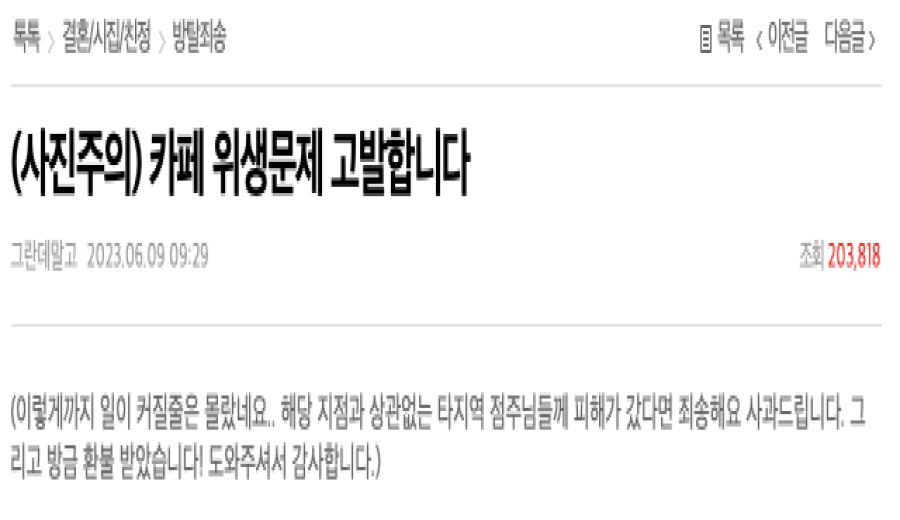
Introduction:A serious hygiene incident has been exposed at a franchise of the South Korean coffee chain The Venti. The store manager prepared drinks without changing the gloves used to scrape dead skin from their feet, and customers who requested refunds were refused. The incident has sparked widespread discussion about food and beverage hygiene management. Although the brand has apologized and pledged to strengthen training, the consumer trust crisis remains unresolved. This article details the incident, reactions from all parties, and provides hygiene considerations when choosing a coffee shop.
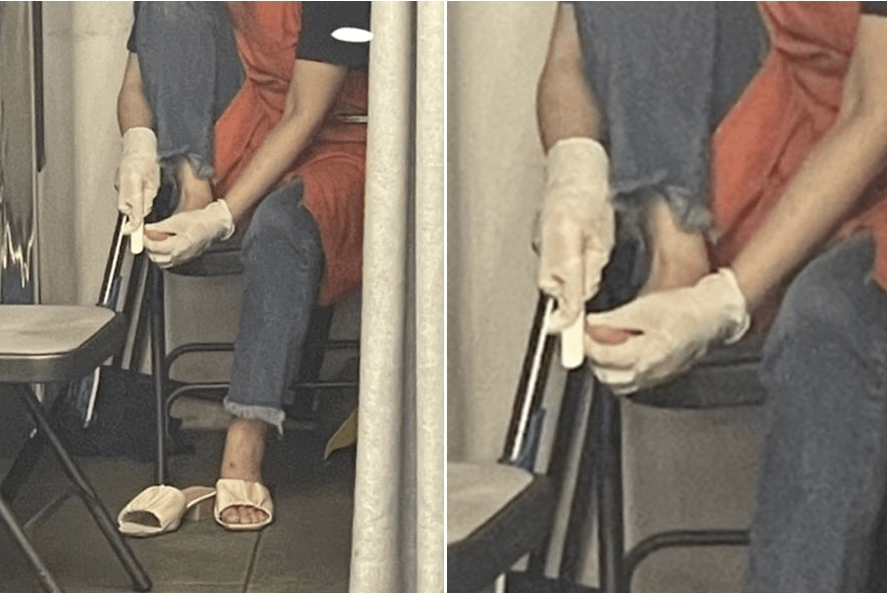
A well-known South Korean coffee chain, The Venti, has recently been caught up in a hygiene scandal. According to reports, the manager of one of its franchise stores was seen scraping dead skin from their feet in the shop, then proceeded to make drinks for customers without changing gloves or washing their hands. This scene was witnessed and photographed by a customer, who then reported it to the head office demanding a refund, only to be told that “a refund is not possible, but we will strengthen hygiene education.”
The incident began when a customer visited a The Venti franchise and unexpectedly saw the manager scraping dead skin from their feet at the back of the store. The customer noted that they had initially thought another staff member would prepare their drink, but to their surprise, it was the same manager who had just scraped their feet who served them — still wearing the same pair of gloves. The customer described: “Even if I tried to ignore it, the thought of foot skin possibly falling into the coffee made it impossible to drink.”
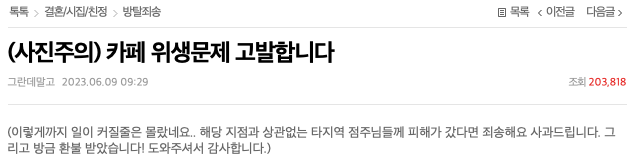
Even more surprising was that the customer had already taken a photo of the manager scraping their feet upon entering the store. They had assumed another staff member would handle the order, but it ended up being the same person. When they complained to the head office and requested a refund, the response was that hygiene education would be strengthened, but the refund was firmly denied. This response quickly caused an uproar online.
Netizens reacted strongly, expressing widespread dissatisfaction: “Just reading about it makes me feel sick,” “This kind of shop should be boycotted,” “It’s not about the small amount of money for a cup of coffee, the attitude is the real issue,” “The head office’s response is disheartening,” and similar comments flooded the internet. After the incident came to light, The Venti finally issued an official statement on its website, acknowledging the problem, pledging to comprehensively strengthen hygiene training, and apologizing to affected customers.
Notably, many The Venti franchisees expressed shock over the incident. One franchisee revealed that the brand conducts monthly hygiene education and recipe training, emphasizing its ongoing commitment to maintaining high hygiene standards. Another franchisee expressed concern that the incident could damage the overall brand image, stating: “Over 1,000 stores nationwide should not suffer because of the actions of a single franchise.”
From a professional perspective, this incident highlights three key issues in food and beverage hygiene management: first, the effectiveness of employee hygiene awareness training; second, the headquarters’ supervision mechanism for franchise stores; and third, the process for safeguarding consumer rights. In places like Taiwan and Hong Kong, similar incidents typically trigger investigations by health authorities, with severe cases potentially facing penalties such as revocation of business licenses.
When choosing a coffee shop, consumers can pay attention to the following hygiene details: observe whether employees regularly change gloves, whether they wash their hands before making drinks, whether the work area is kept clean, and the overall hygiene condition of the store. If obvious hygiene issues are found, it is recommended to immediately inform the shop and retain evidence, and if necessary, report to the local health authority.
Although the The Venti incident has temporarily concluded with an official apology, for the entire coffee industry, it is undoubtedly a wake-up call. The quality of coffee beverages depends not only on the beans and roasting, but more fundamentally, hygiene standards are the basis of consumer trust. How the brand rebuilds customer confidence in the future will be a key point of continued observation.
The above content is compiled by CoffeeHunters, a coffee news website.


