







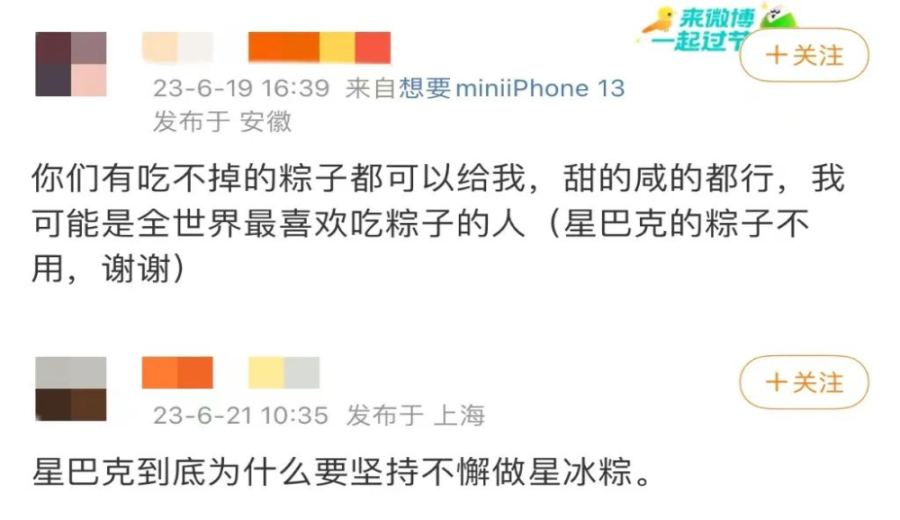
Introduction:Starbucks’ Ice Cream Zongzi has been a hot topic during the Dragon Boat Festival for thirteen consecutive years. This innovative zongzi product, which sits somewhere between sweet and savory, has consistently drawn mixed reviews from consumers. Despite the ongoing controversy, Starbucks persists in launching new flavors each year, and this year it has even introduced a spicy popping candy dip. This article takes an in-depth look at why this polarizing product continues to sell, exploring the commercial strategy behind it and the varying levels of consumer acceptance.
Every year just before the Dragon Boat Festival, Starbucks’ Ice Cream Zongzi stirs up heated discussions online. This product, which blends the concepts of ice cream and traditional zongzi, leaves southern consumers accustomed to savory zongzi and northern diners who prefer sweet versions struggling to categorize it. Since its launch in 2010, the Ice Cream Zongzi has been a regular feature in Starbucks’ Dragon Boat Festival offerings for thirteen consecutive years, becoming an annual signature item for the brand.
Consumer opinions on the Ice Cream Zongzi are distinctly polarized. Early reviews often directly criticized its taste, but in recent years, they have evolved into various humorous takes. Notably, despite the strong controversy over its reputation, Starbucks has never considered discontinuing the product. This year’s edition includes four flavors in a set of eight, priced at 198 yuan, and introduces a new spicy popping candy dip option—this unconventional pairing has further fueled discussion.
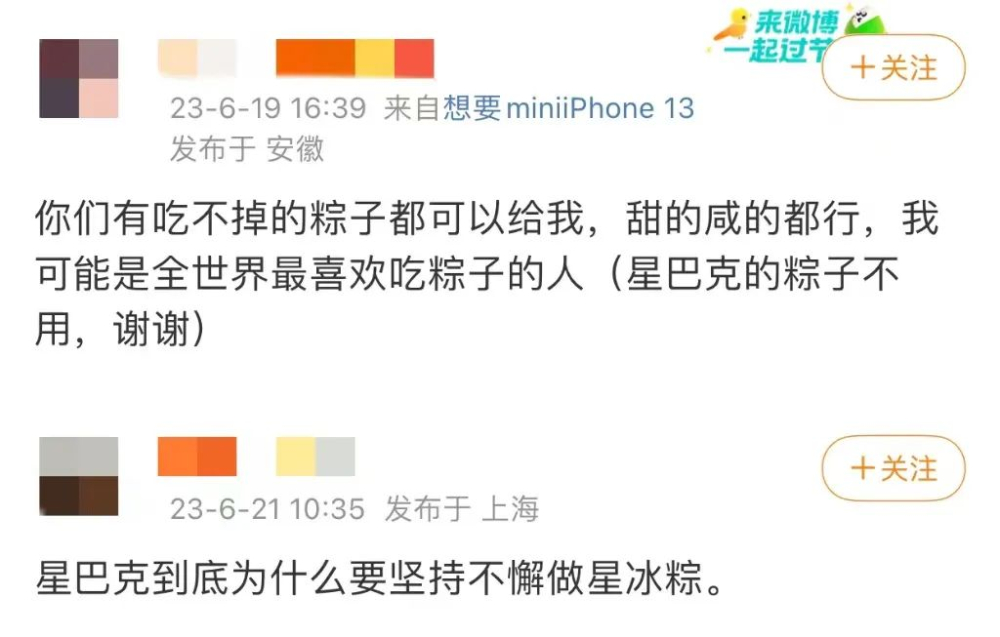
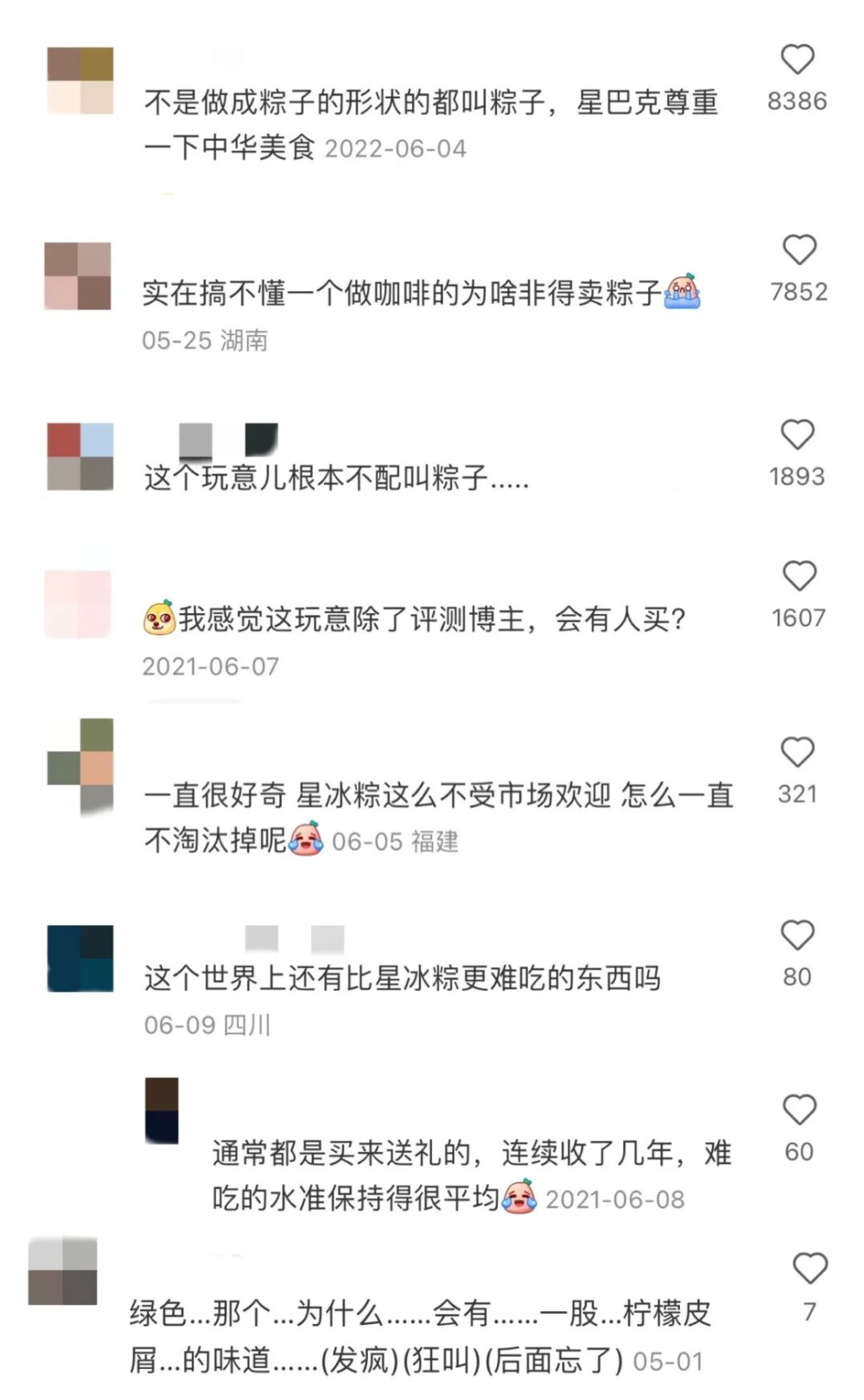
On social media, many users describe the Ice Cream Zongzi as “truly hard to swallow.” One employee admitted their frustration when trying to promote it: “The tasting experience is complicated; let’s just say we have different specialties, good luck.” Some netizens even joked, “The consequence of not excelling in your studies might be your company giving out Ice Cream Zongzi during the Dragon Boat Festival in the future.” Such comments reflect the widespread challenges the product faces in gaining acceptance.
However, a small number of consumers do give positive feedback. Some say, “I expected it to taste bad, but it actually turned out to be a delicious glutinous rice dessert,” or specifically praise the salted egg yolk flavor as “amazing.” These individual differences highlight the highly subjective nature of food acceptance.
Sales face even greater challenges. Employees revealed that promoting the Ice Cream Zongzi mainly relies on meeting sales targets rather than performance incentives. Common tactics include leveraging personal social networks for promotion, proactively asking every customer who enters the store, and offering incentives such as free coffee. One staff member even went as far as creating a Starbucks version of the “Grapefruit Grape” drink to seal a deal. Some employees have also developed strategies like giving away large shopping bags, paired with handmade decoration services, which have significantly boosted conversion rates.
Analysis suggests that the core reason Starbucks continues to sell the Ice Cream Zongzi may lie in its festive gift packaging strategy. The exquisite gift bag design successfully attracts style-conscious young consumers. Even if they have limited interest in the zongzi itself, many are still drawn to purchase it for the packaging’s practicality or collectible value. This “gift economy” model explains the long-standing market foundation for this controversial product.
For consumers interested in trying it, it is recommended to objectively assess personal taste preferences. If you prefer traditional zongzi, the Ice Cream Zongzi may not meet your expectations; however, if you’re curious about novel desserts, you might want to approach it with an open mind. When purchasing, pay attention to cold-chain delivery requirements to ensure the ice cream filling remains in optimal condition.
The above content is compiled by CoffeeHunters, a coffee news website.


