







Introduction:From instant to specialty coffee, the various brewing methods are not just about differences in flavor — they’ve also formed an invisible "hierarchy of snobbery." But coffee should be about diverse choices. This article will help you understand the real differences between freeze-dried, freshly ground, and instant coffee, debunk why instant is often underrated, and offer selection tips to help you find the coffee method that suits you best.
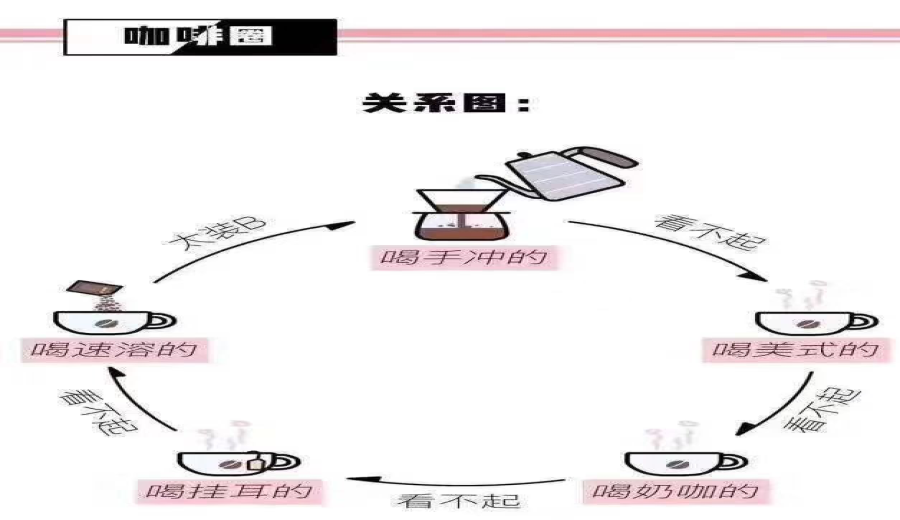
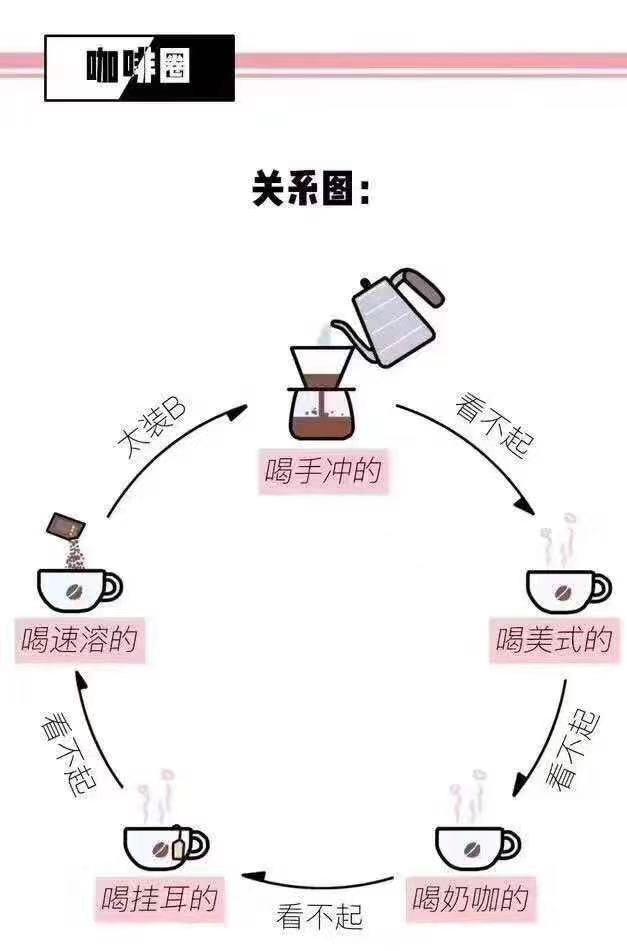
In recent years, the number of coffee enthusiasts has grown rapidly, but it has also given rise to an unseen "hierarchy": pour over coffee lovers look down on those who drink Americano, Americano drinkers disdain those who add milk; those who enjoy milk coffee think drip bags aren’t professional enough, drip bag users look down on freeze-dried coffee, and those who simply brew three-in-one instant coffee are often seen as the most "unsophisticated." But at its core, wasn’t the original purpose of coffee to provide a pick-me-up and quench thirst? Why should drinking coffee come with notions of superiority or inferiority?
To understand this phenomenon, we need to start with the history of instant coffee. Not too long ago, many households in China had glass jars labeled with Nestlé or Maxwell House, and classic red-and-white Nescafé cups on the table. Back then, people didn’t chase the refined flavors of coffee but rather the "trendiness" and "prestige" of coffee as an imported good. The advent of instant coffee also marked the first global wave of modern coffee consumption.
Yet today, instant coffee is often categorized as a "low-tier choice" and even becomes the butt of jokes among some coffee aficionados. Interestingly, one netizen observed that in the coffee community, those who drink auction-grade single-origin beans look down on Yunnan small-seed variety, light roast fans disdain dark roast supporters, pour over enthusiasts look down on Americano, Americano drinkers look down on milk coffee, milk coffee drinkers think drip bags aren’t professional enough, drip bag lovers disdain freeze-dried, and freeze-dried drinkers look down on three-in-one instant — this layered "taste hierarchy" leaves many wondering: is it only those who can discern complex flavors and choose beans with an SCA score above 80 who are considered "true coffee drinkers"?
The answer, of course, is no. The world of coffee should be diverse — not everyone is after extreme flavors or complicated brewing processes. The specialty coffee culture has indeed raised consumer awareness about the coffee supply chain and green bean processing, giving people a deeper understanding from origin to roast to brewing method, and enhancing the sense of participation in drinking. But that doesn’t mean only those who understand these aspects deserve to enjoy coffee.
In fact, for most people, the primary purpose of drinking coffee is to "stay alert," with flavor experience being secondary. Especially for those on a limited budget or with a fast-paced lifestyle, freshly ground coffee is often too expensive to be a daily drink. Moreover, although the coffee market has expanded year by year, in many regions, having access to a cup of freshly ground coffee anytime, anywhere, is still not easy. Therefore, instant coffee remains the "first cup of coffee" for many people and is still one of the best-selling types of coffee in the market.
Try looking at it from another angle: without the widespread availability of instant coffee, many people might never have touched coffee at all; without the promotion of chain brands, freshly ground coffee would also struggle to enter everyday life. The existence of instant coffee not only lowers the barrier to entry for coffee but also, to some extent, "educates" the market, paving the way for subsequent freshly ground and specialty coffee cultures. For this reason, the choice of coffee should come down to personal needs and preferences, not be judged by a sense of "superiority."
If you value flavor layers and the joy of brewing, you can opt for pour over or drip bag coffee, controlling water temperature, grind size, and brewing time (generally recommended water temperature is 90–96°C, grind size between medium-fine to medium-coarse, brewing time around 2–4 minutes). If you prefer convenience and consistency, freeze-dried coffee (the commonly known "three-second instant" coffee powder) retains more of the original flavors while meeting on-the-go needs, usually using freeze-drying technology that reduces heat damage to aroma. As for instant coffee, though convenient, its flavor profile is often simpler due to the use of syrups and non-dairy creamers during processing — though many improved formulas are gradually moving toward more natural ingredients.
In summary, coffee shouldn’t have classes. No matter which form you choose, it’s a form of participation in coffee culture. The point isn’t what you’re drinking, but whether you enjoy the process. From professionally brewed pour overs in exquisitely decorated cafés to a simple cup of instant coffee brewed at home, each method has its own value and charm. Respecting every choice and drinking with ease — that’s the true spirit of coffee culture.
The above content is compiled by CoffeeHunters, a coffee news website.


