







Introduction:Luckin Coffee launched a nationwide 9.9 RMB promotion to celebrate reaching 10,000 stores, attracting a huge rush of consumers, but also putting unprecedented pressure on store employees. This article takes an in-depth look at the operational realities behind this promotional campaign—from the genuine voices of staff, to the consumer rush, and brand sales figures—to fully analyze the impact and challenges of the 9.9 RMB strategy on the overall coffee market.
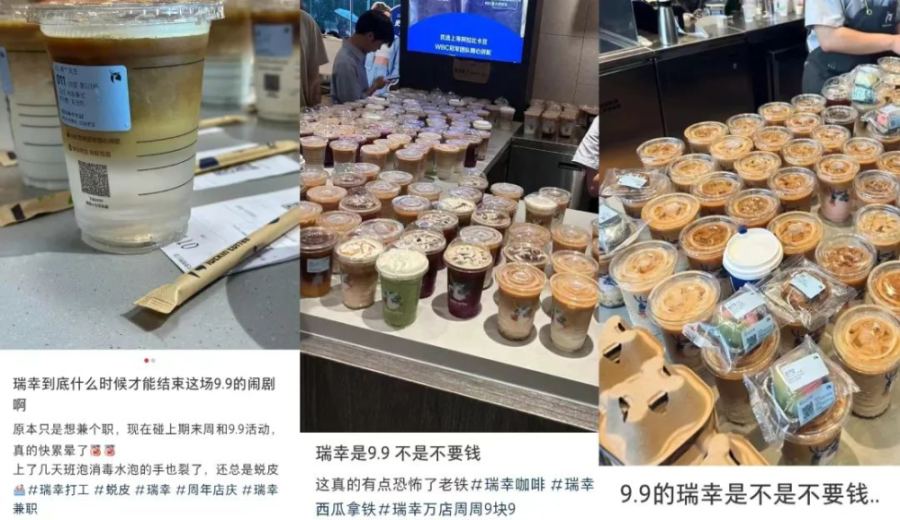
Luckin Coffee recently kicked off its 10,000-store 9.9 RMB promotion, sparking a buying frenzy among customers. However, what seems like a win-win marketing strategy has placed immense stress on frontline store employees. With orders surging, many staff members have taken to social media to share their hardships. Some admitted they lost two kilograms after working four consecutive days, while others said they "just can't do this anymore," revealing the physical and mental exhaustion brought on by the intense workload.
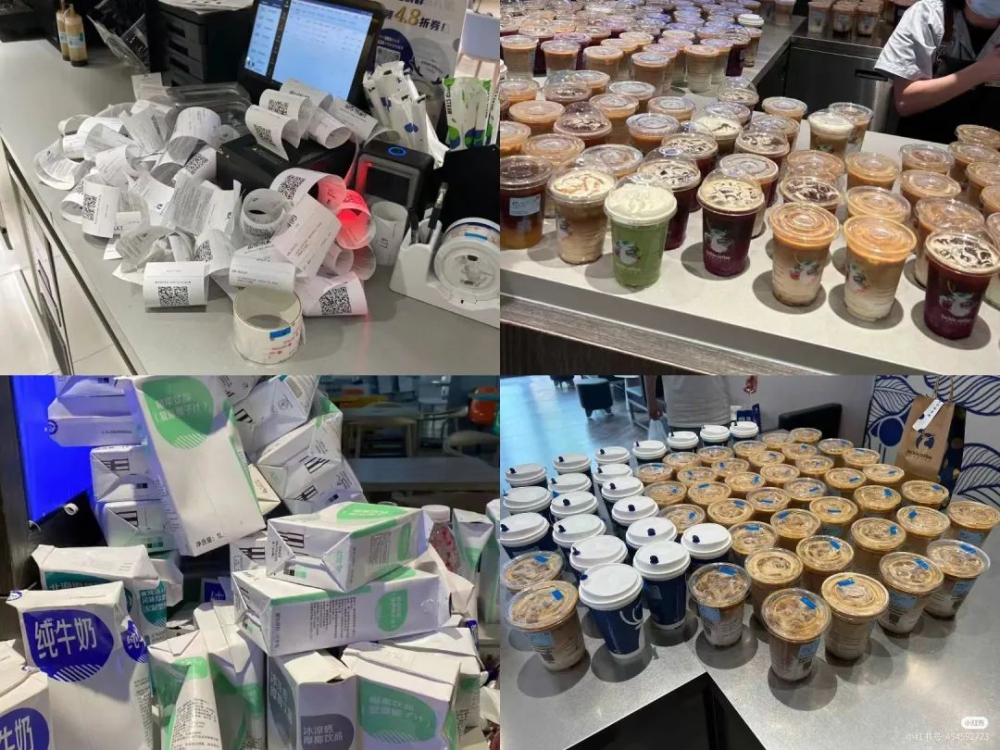
Earlier this month, Luckin reached a major milestone—the official opening of its 10,000th store in Xiamen—alongside the launch of the “9.9 RMB every week” celebration offer. The move quickly garnered strong market response, with coffee enthusiasts scrambling to stock up on vouchers, and online orders flooding in. Yet, consumer enthusiasm translated directly into a heavy burden for store staff. Countertops were piled high with drinks waiting to be picked up, coffee machines kept beeping with new order alerts, and supplies like milk and syrup frequently ran low. The work pace offered almost no breathing room.
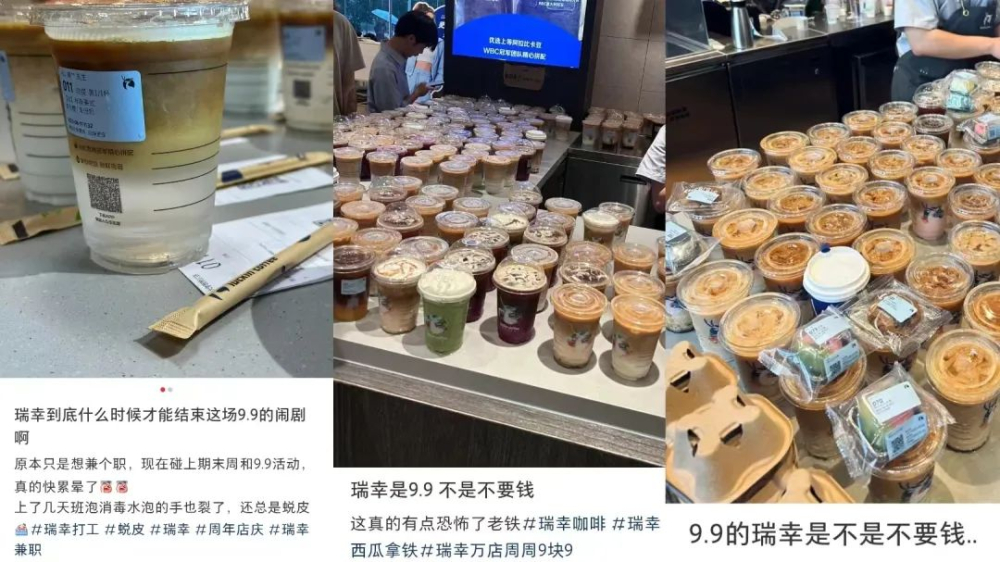
Amid the shopping rush, while some customers complained about long queues, greater attention should be paid to the staff working non-stop on the job. Some part-time employees posted on community platforms that they had only sought flexible work, but never expected the 9.9 RMB promotion to bring such unexpectedly high intensity. Comments like “a feeling of exhaustion where you just want to blow up the universe,” “can’t do this shift for even a second longer,” and “lost two kilograms in four days” perfectly captured the sentiments of frontline workers. Even those who haven’t experienced it firsthand can sense their frustration and helplessness through the words.
Notably, despite the employee feedback, Luckin’s sales performance remains stellar. Not long ago, during Douyin’s “Heartbeat Big Brand Day” livestream, the brand achieved a single-session transaction volume of over 100 million RMB, with cumulative orders exceeding 6.05 million, gaining 300,000 new followers, and reaching 12.14 million views. The livestream ranked first nationally in both exposure and order volume among coffee and tea beverage categories. Such impressive figures suggest the promotion will continue for some time, further highlighting concerns over employee labor intensity.
From a market strategy perspective, the 9.9 RMB pricing has become a key price point for attracting users and tapping into lower-tier markets. For consumers, this price is attractive without causing too much budget strain; for brands, it helps enhance visibility and user retention while maintaining basic profitability. This low-price strategy can indeed generate significant traffic and sales in the short term, but whether it can sustain service quality and employee stability in the long run is still a question the industry must seriously consider.
Overall, while Luckin’s 9.9 RMB promotion has successfully stirred up market excitement, the operational challenges behind it cannot be ignored. Striking a balance between expansion and maintaining service quality—especially in safeguarding the working environment and labor conditions of frontline employees—will be crucial for the brand’s sustainable and healthy growth in the future.
The above content is compiled by CoffeeHunters, a coffee news website.


