







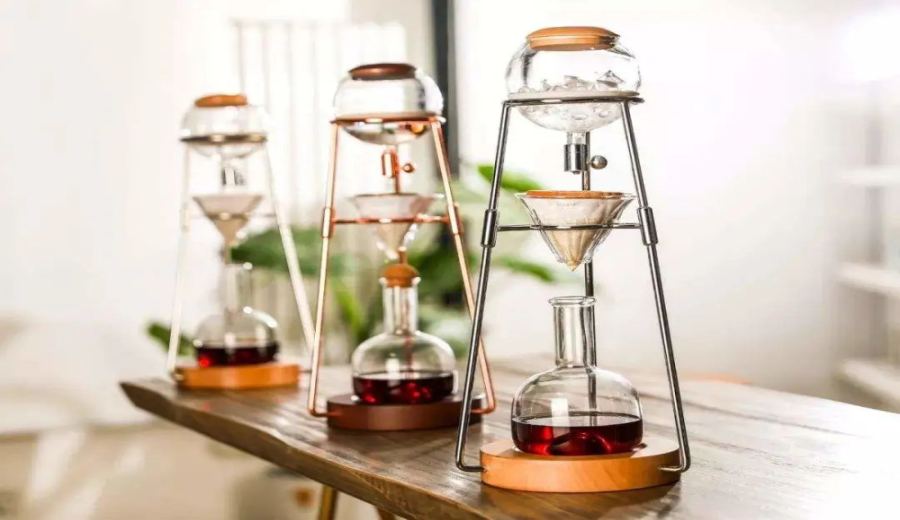
Introduction:Tired of high temperatures? Why not create your very own cold drip coffee at home? This article will guide you through a variety of cost-effective and fun DIY cold drip setups — from basic filter combinations to creative modified devices. We’ll break down the step-by-step process and key brewing parameters for each method. Even without specialized equipment, as long as you get the right ratio and temperature control, you can enjoy richly flavored, low-temperature slow-brewed coffee in the comfort of your home.
When summer heat waves strike, a cool and rich cup of cold drip coffee is undoubtedly the best way to beat the heat. Compared to traditional hot brewing methods, cold drip coffee uses melting ice water to slowly permeate ground coffee over several hours or even longer, gradually releasing a wealth of flavor compounds and achieving a balanced acidity and sweetness in a low-temperature environment, resulting in a uniquely clean taste profile.
While commercially available professional cold drip equipment offers stable extraction results, their prices often start at thousands of yuan and limited daily usage make many coffee enthusiasts seek more cost-effective alternatives. As a result, a variety of clever modifications have emerged online, using everyday items and simple tool combinations to create unique cold drip experiences.
The most common beginner-friendly solution is the so-called "stacking cups" filter combination. All you need are two filter cones, medium-ground coffee, and enough ice cubes to get started. Place a filter paper in the upper filter cone to hold the coffee grounds, and put gradually melting ice cubes in the lower one. Extraction occurs as the ice water naturally drips through. It’s recommended to place the entire setup in a cool or refrigerated area to maintain a stable low temperature and extract a cleaner flavor profile.
If you only have one filter cone, there's a workaround. Simply place a round filter paper directly on top of the coffee grounds, then add ice cubes and let them melt naturally. To slow down the melting process, you can place the setup in the refrigerator’s cooling compartment or cover it with plastic wrap to reduce aroma evaporation. Though this method is simple, be sure to control the amount of ice and the dripping speed to avoid over-extraction due to too rapid a flow.
For the truly creative souls who don’t even have a filter cone, drip coffee bags can be transformed into a cold drip tool. Use the coffee bag as a filter container, allowing the appropriate amount of ice water to drip through slowly, and you can still brew a layered cold brew coffee. While this method uses minimal equipment, special attention should be paid to the expansion space of the coffee grounds and the evenness of dripping to achieve a more balanced taste.
More advanced DIY solutions combine everyday items such as moxa racks, mineral water bottles, and garden watering nozzles to build a system similar to professional-grade drip setups. Though these rigs may look rudimentary, by precisely adjusting the nozzle height and water pressure, you can effectively control the dripping rate within the ideal range of 10–20 drops per minute, significantly improving extraction consistency and flavor expression.
It’s important to note that regardless of which DIY method you choose, careful control of ambient temperature is essential. The ideal cold drip extraction should take place in a low-temperature environment of 4–10°C to prevent issues such as over-fermentation or off-flavors caused by excessive heat. It is recommended to place the whole setup in a refrigerator’s cooling compartment or an air-conditioned room to maintain stable brewing conditions.
Although these homemade devices may not match the precision of professional cold drip brewers, the unique enjoyment and sense of accomplishment they bring are unmatched by store-bought equipment. Through continuous experimentation and adjustment, every coffee lover can find their own optimal brewing solution and enjoy the pure, hands-on coffee experience.
The above content is compiled by CoffeeHunters, a coffee news website.


