








Introduction:Want to make your pour over coffee more complex by adjusting water temperature? Variable-temperature brewing is an advanced technique often used by professional baristas. This article explores three temperature strategies—constant temperature, step-down extraction, and low temperature during bloom followed by a rise—through practical testing, analyzing how different temperature stages affect the acidity-sweetness balance, aroma release, and aftertaste duration of Panamanian Elida Typica beans. It also provides actionable temperature control tips and practical data references.
In the technical field of pour over coffee, water temperature is by no means a fixed, single parameter. Observing international pour over competitions reveals that many skilled competitors use variable-temperature brewing strategies, dynamically adjusting water temperature according to the brewing stage needs to precisely guide the direction of coffee flavor expression. One coffee brand once conducted a comparative experiment using a Panamanian Elida Typica coffee bean, trying three different approaches: constant temperature, high temperature in the early stage and lower temperature in the later stage, and low temperature during the bloom stage followed by a rise and then a drop. By measuring extraction concentration and conducting systematic flavor evaluations, it was proven that variable-temperature methods can significantly adjust the coffee's acidity performance, sweetness intensity, and aftertaste sustainability. The following will delve into the specific operation modes of variable-temperature brewing, differences in actual test data, and corresponding changes in the flavor profile, helping you flexibly adjust pour over parameters to brew your ideal coffee flavor.
 After recent international pour over competitions, observing the competitors' performances shows that variable-temperature brewing has become a secret weapon for many. You might wonder: can simply changing the water temperature setting—while using the same coffee beans and basic techniques—really lead to noticeable flavor differences? This article will take you on a practical exploration of the mysteries and practical value of variable-temperature brewing.
The experiment setup used 15 grams of coffee grounds, maintained a 1:15 coffee-to-water ratio, and divided the pouring into three stages with water volumes of 30 ml, 120 ml, and 90 ml respectively. The first brew served as the baseline, using traditional constant-temperature, three-stage extraction; the other two brews adjusted the temperature strategy to observe the impact of different temperature curves on flavor.
The first variable-temperature plan was designed to enhance the fruitiness of the coffee, so the temperature was deliberately raised by 2°C in the early to mid stages to maintain better extraction efficiency, while the final stage lowered the temperature to reduce the potential release of undesirable substances, creating a stepwise cooling extraction rhythm. The second variable-temperature plan aimed for a smoother mouthfeel, lowering the temperature during the bloom stage to suppress the initial release of acidity, using a higher temperature in the second stage as the main extraction phase, and then cooling again in the final stage combined with immersion, similar to the temperature control logic of the first variable-temperature plan, to avoid extracting too many off-flavors.
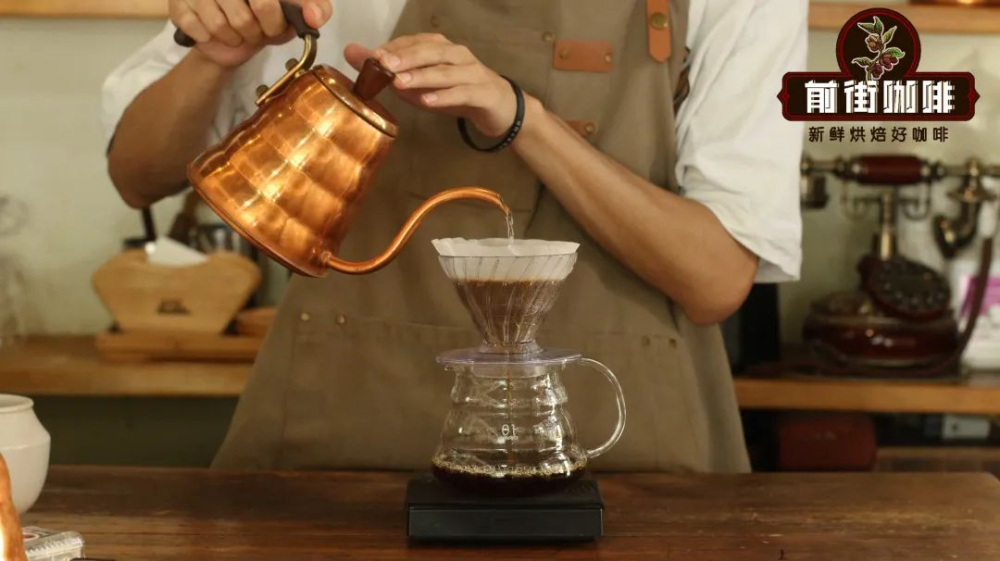
In this experiment, the so-called high-temperature stage was 2°C higher than the conventional extraction temperature—traditional pour over typically uses 92°C, but this experiment increased it to 94°C; the low-temperature stage used 85°C (according to a brand’s practical tests, light to medium roast coffee beans may under-extract if the temperature falls below this threshold).
For the experiment preparation, multiple pour over kettles, a digital thermometer (can be omitted if using a temperature-controlled kettle), experimental coffee beans, a V60 filter cone, and a TDS coffee concentration meter for verifying extraction rate were needed (though not absolutely essential, it helps confirm extraction data). This experiment used a light to medium roasted Panamanian Elida Typica coffee bean, known for its rich floral and fruity notes, which is beneficial for distinguishing flavor differences. The coffee bean grind size was set to medium-fine, with a Chinese No. 20 sieve passing rate of about 80% (EK43s grinder was actually used, with a grind setting of 10).
The focus of this experiment was to compare the flavor performance of the same coffee bean under different variable-temperature schemes, so the brewing process steps are not described in detail.
The experimental results showed that the TDS concentration measurements of all three coffee samples fell within the reasonable extraction range, and their differences were not significant. The extraction rate calculation formula is: TDS (%) × weight of coffee liquid (g) ÷ weight of coffee grounds (g) = extraction rate (%). Through this formula, it can be confirmed that all groups achieved an ideal extraction state.
Moving to the flavor evaluation, first look at the constant-temperature extraction group: it presented delicate white floral notes, bright citrus acidity, paired with a honey-like texture and a tea-like finish, overall balanced and smooth. The first variable-temperature plan (high temperature in early stage + lower temperature in later stage) showed richer tropical fruit flavors compared to the constant-temperature group, with slightly more restrained floral notes; in the mid-to-low temperature stage, tropical fruit aromas and honey texture blended together, further transforming into a full juice-like sensation. The second variable-temperature plan (low temperature during bloom + lower temperature in later stage) successfully reduced overall acidity, with floral notes even slightly better than the constant-temperature group, featuring a subtle sweet peach-like aroma and soft citrus tones, with a clean tea-like aftertaste, the overall flavor resembling an elegant English-style floral and fruity tea.
It’s worth noting that although the measured concentration of the constant-temperature group was lower than that of the second variable-temperature plan, this does not mean it was under-extracted. In fact, so-called constant-temperature brewing still experiences natural temperature drops due to heat dissipation from the hot water in the kettle during actual operation. For example, starting at 92°C, from the initial bloom temperature to the third pour (around 1 minute 20 seconds), the temperature usually naturally drops to around 89°C.
Water temperature has an extremely critical impact on extraction efficiency, with each stage’s high or low temperature directly affecting the extraction characteristics of that phase. For example, lowering the temperature during the bloom stage can effectively suppress the premature release of coffee acidity; cooling down in the final stage can slow the extraction rate, preventing excessive dissolution of large-molecule bitter substances. Mastering these basic principles allows for more flexible adjustment of variable-temperature strategies, brewing coffee flavors that match personal taste preferences.

The above content is compiled by CoffeeHunters, a coffee news website.


