








Introduction:Have you ever noticed a layer of tiny black particles settling at the bottom of your cup after drinking an espresso or latte? These sediment particles are actually extremely fine coffee grounds that have passed through the filter basket during extraction. This article will delve into the sources of these fine particles, their impact on flavor and health, and provide a range of practical solutions—from adjusting grind size, maintaining equipment, to using paper filters—to help you brew cleaner, better-tasting coffee.
Many coffee enthusiasts often find a layer of fine black powder left at the bottom of their cup after enjoying an espresso or latte. Sometimes, dark particles can even be seen floating at the bottom of an iced latte. Is this normal? Does it affect the coffee’s flavor or even health? In fact, these sediments are mainly very fine coffee particles that pass through the holes in the portafilter basket under high-pressure extraction and flow into the cup along with the coffee liquid. Just like how soy milk leaves behind bean dregs when left standing, or how fruit pulp residues can occasionally appear in freshly squeezed juice, a small amount is normal. But if the black particles are clearly visible, it may indicate a problem in the extraction process.

When you finish a cup of coffee and look at the bottom, you’ll often see a layer of fine particles deposited. Even with an iced latte bought from a café, you might find black residue at the bottom when you reach the last sip. Should this be a cause for concern? These tiny black deposits are actually extremely fine coffee grounds that have passed through the fine holes of the basket and flowed out with the coffee liquid. By analogy, just like tea leaves that settle at the bottom after tea has been left standing, or fruit pulp left in vegetable or fruit juices, the principle is roughly the same.
If only a minimal amount of very fine particles is present in a single shot of espresso, it usually falls within the normal range, won’t significantly affect the taste of the coffee, and is harmless to health—so it can basically be ignored. However, if you can clearly see a large number of black particles suspended or settled in the coffee, it often means either too much coffee has been used or some step in the extraction process has gone wrong, and further inspection is needed.
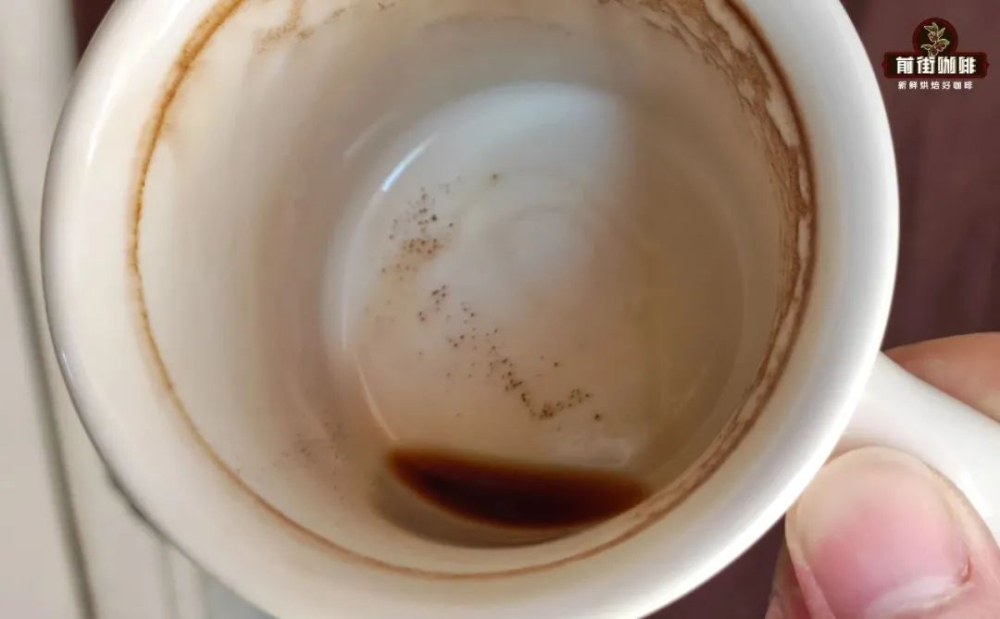
Why are there so many fine particles? First, the grind size for espresso is extremely fine, typically ranging between 150 to 300 microns, much finer than that used for regular pour over coffee. This level of fineness makes it difficult to accurately judge particle uniformity with the naked eye, and it usually requires observing the espresso extraction state to assess whether the grind is appropriate. In addition, the portafilter basket used for extracting espresso is actually a filtering structure composed of countless tiny holes. When you hold the basket up to a light source, those translucent holes are the pathways for the coffee liquid to filter through.
The finer the coffee is ground, the more fine particles are produced. Under high-pressure extraction conditions, particles smaller than the holes in the portafilter basket are easily forced out by the high-pressure hot water and mix into the final coffee liquid. These fine particles don’t immediately sink when they first enter the coffee; without stirring, it usually takes several minutes for them to gradually settle to the bottom. If you drink carelessly, these fine particles may easily enter your body along with the coffee.
Besides the factors related to grinding, some common operational mistakes can also lead to an excess of coffee grounds in your cup. For example, if the coffee machine’s group head isn’t thoroughly rinsed before each extraction, residual old coffee grounds may mix into the new batch. Similarly, if the handle is not properly cleaned and fine powders adhere to its surface, they might fall into the final drink.
So, how can you effectively reduce or avoid the production of these fine particles? Here are several practical suggestions:
First, confirm whether these coffee residues stem from improper operational habits. For instance, is the group head cleaned thoroughly before each use? Does the handle retain excess coffee grounds? Developing good cleaning habits—such as promptly cleaning the group head and handle after each extraction—can effectively reduce impurities and cloudiness in the coffee.
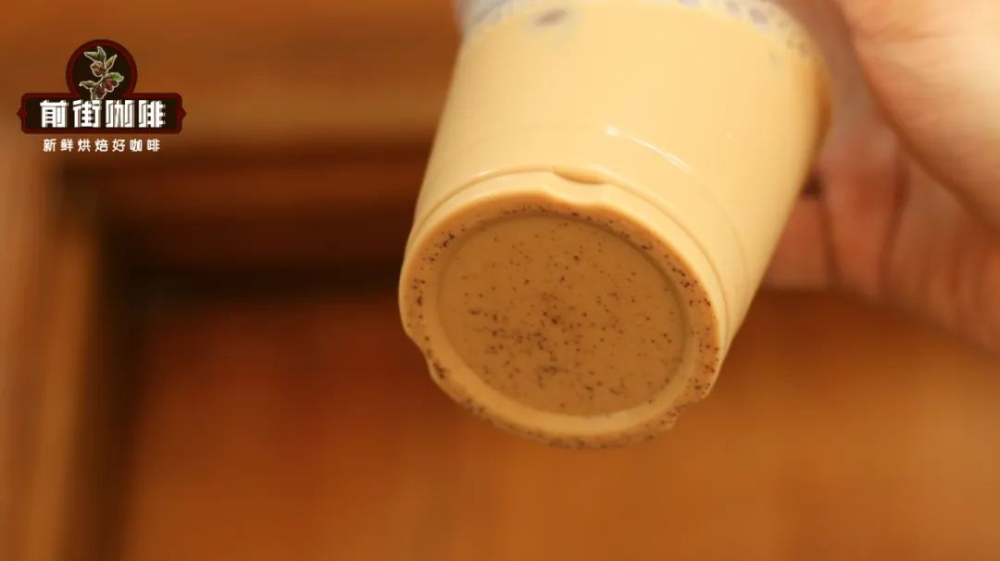
Second, the filter holes in the portafilter basket may gradually deform after prolonged exposure to high temperature and pressure, allowing more fine particles to pass through. While this situation is not common, it typically occurs after one to two years of heavy machine use. You can try shining a light through the basket to check whether any individual holes have noticeably enlarged. If abnormal holes are found, it’s recommended to replace the basket with a new one.
Third, if you notice slow flow rate during extraction and find a lot of fine particles in the coffee, consider slightly coarsening the grind. A coarser grind results in larger overall coffee particles, thereby reducing the number of fine particles. However, be aware that if the flow rate becomes too fast or the coffee flavor becomes overly light after adjusting the grind, you can appropriately increase the coffee dose to maintain a balanced extraction.
Finally, using paper filters is one of the most effective methods for filtration currently available. Paper filters can effectively intercept solid particles and some oils, significantly improving the purity of the coffee liquid. If you still notice small amounts of fine particles after adjusting the grind and have high requirements for drinking experience, you might try placing a round paper filter inside the basket before extraction. Practical tests have shown that this method does indeed help reduce the problem of fine particles falling into the coffee. However, note that since paper filters block most fine particles, they may also cause the flow rate to speed up and the concentration and extraction yield to drop. Therefore, if you use paper filters, it’s recommended to make slight adjustments to the grind (slightly finer) to ensure the flavor of the espresso remains unaffected.
The above content is compiled by CoffeeHunters, a coffee news website.


