








Introduction:Do you often notice a big difference in flavor when brewing pour over coffee at home compared to what you get at cafés? In fact, the key usually lies in details such as grind size, coffee bed distribution, and extraction parameters. This article delves into how grind size influences coffee extraction efficiency and flavor profile, explores common home brewing issues, and provides practical assessment and adjustment tips to help you master the art of brewing your ideal cup.
Many pour over enthusiasts face a similar dilemma: why does the same bag of coffee beans always produce noticeably different flavors at home compared to those at cafés? In truth, the issue rarely stems from the beans themselves, but rather from multiple variables during the extraction process—especially whether the grind size is appropriate, whether the coffee bed is evenly distributed, the balance of water temperature and brew time, and even water quality—all of which can significantly impact the final taste and aroma.
This article will draw from practical experience to clearly explain how grind size affects coffee flavor, outline the fundamental brewing structure that beginners should prioritize mastering, and teach you how to identify key flavor-influencing issues by observing the coffee bed state and water flow rate—helping you gradually adjust toward your perfect home-brewed pour over.

A friend who recently tried pour over at home once asked with curiosity: “Why does the same coffee bean taste so different when I brew it at home?” This is actually a common question among many beginners. If the same coffee beans are used, then the problem almost certainly lies in the extraction process—especially variables such as grind size and technique.
Pour over is a type of filter extraction. The coarseness or fineness of the coffee grounds directly affects how quickly water passes through the coffee bed and how long it stays in contact, thereby determining the degree of flavor compound release. If the grind is too fine, water flow is severely restricted, leading to overly long contact time and easily resulting in over-extraction—producing pronounced bitterness, saltiness, and even astringency and unpleasant acidity. Conversely, if the grind is too coarse, water flows too smoothly, extraction time is too short, and the coffee tends to be under-extracted—resulting in a thin, watery body with lack of complexity or aroma.
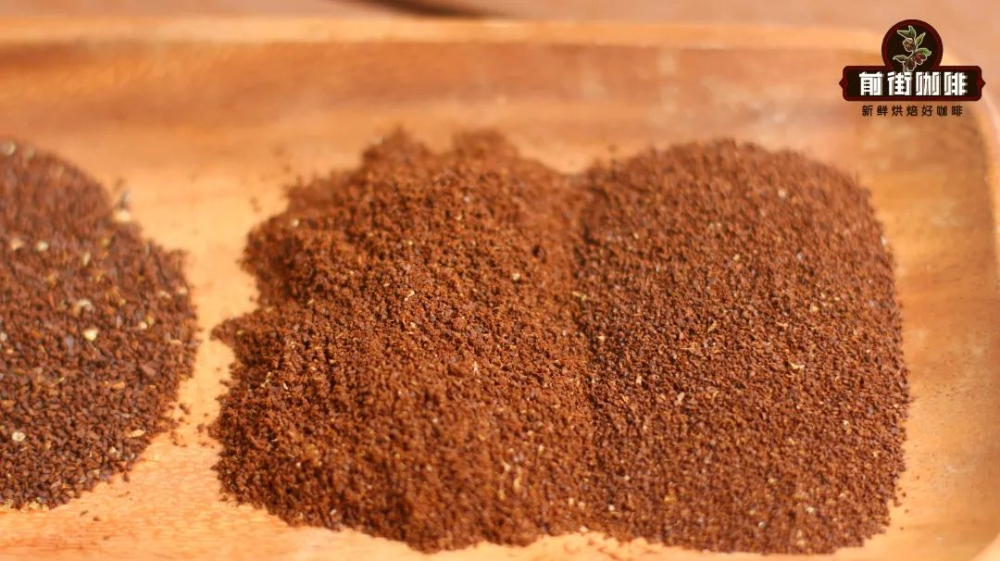
Therefore, being able to correctly judge the appropriate grind size and ensure a uniform coffee bed without extreme particles is a crucial foundation for pour over beginners. A common reference is comparing grind size to that of fine or coarse sugar, but relying solely on visual judgment is often not accurate enough. Some users find that even when the grounds appear to be similar in size to sugar, they still encounter slow water flow or clogging toward the end of the brew—usually because the coffee grounds contain too many overly fine particles.
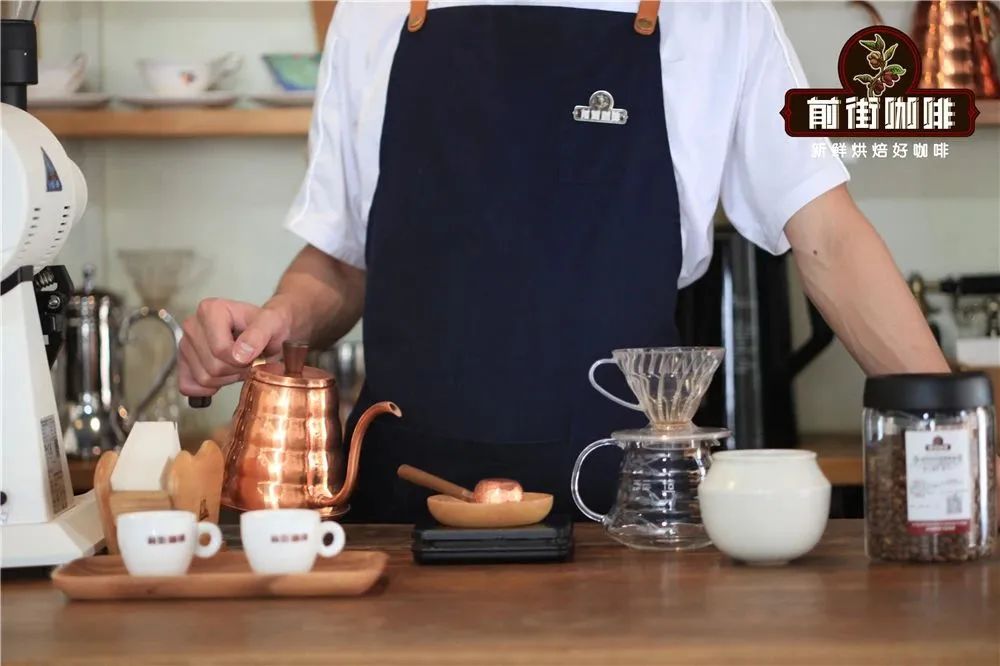
In addition, the quality of the grinder greatly affects the uniformity of the coffee grounds. High-quality grinders can produce grounds with a more concentrated particle size distribution, reducing the proportion of overly coarse and overly fine particles, thus leading to more stable and consistent extraction. On the other hand, if the grinder’s performance is average, even if some very fine particles are sifted out, the actual extraction process may still suffer from uneven water distribution due to fine particles absorbing water and settling first while coarse ones float on top—thereby compromising overall extraction quality.
When you find that the brewed coffee has off flavors, start by examining the coffee bed: are there any overly large particles? Does it feel muddy (indicating too many fine particles)? Recall whether the water flow was too fast or too slow during brewing. These observations can help you quickly pinpoint the issue and effectively adjust the grind size to improve flavor.
For those just starting to learn pour over, it’s recommended to begin with ‘conservative’ parameters and stable techniques as a foundational approach. Key extraction parameters mainly include four elements: coffee-to-water ratio, grind size, water temperature, and brew time. These variables are interrelated and influence each other, so it’s advised to use quantifiable tools (such as a scale or timer) to track each brew’s conditions—so you have a basis for troubleshooting when issues arise.
In terms of brewing technique, the three-pour method is widely recommended as a basic approach. With properly set parameters, the three-pour method can more efficiently extract the aroma and sweetness from the early to mid-stage of the brew, while moderately extracting the body and bitterness from the later stage—achieving balanced flavor and a rich mouthfeel. Although there are many advanced techniques online—such as swirling or stirring during the bloom phase—these usually require specific parameters and experience, making them difficult for beginners to master and reproduce consistently.
Therefore, beginners are advised to focus first on mastering basic techniques: for example, using 15–20 grams of coffee grounds and aiming to complete the brew within 1 minute 50 seconds to 2 minutes 20 seconds, while observing the resulting flavor. Once you’re familiar with the basic parameters and workflow, you can then gradually explore more advanced methods to effectively elevate your brewing skills.
Finally, there’s one often overlooked yet extremely important variable: water quality. Research shows that an appropriate amount of calcium and magnesium ions in water helps enhance coffee extraction efficiency and flavor. However, if magnesium ion content is too high, it can lead to bitterness and astringency; too much calcium may cause muddled flavors and a dry mouthfeel. If you find that even after changing beans, adjusting parameters, and refining technique, your coffee still has distinctly off flavors when brewed with your home-filtered water, consider trying bottled water—such as the commonly available Nongfu Spring, which has a TDS of about 50 ppm and typically provides a more neutral extraction base, helping determine whether water quality is affecting your coffee’s performance.
The above content is compiled by CoffeeHunters, a coffee news website.


