







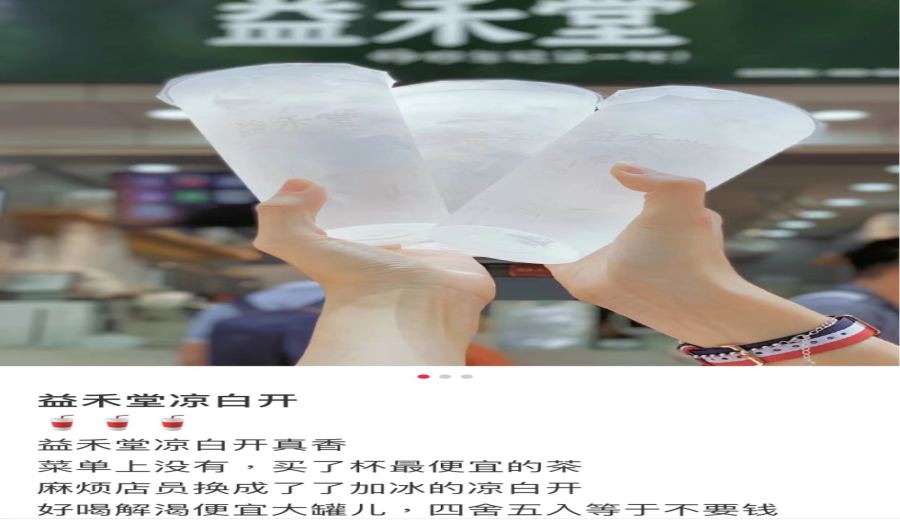
Introduction:How did filtered water go from an unnamed supporting role to becoming the internet-famous "iced boiled water"? This beverage trend, driven by young consumers, has not only turned plain boiled water into a must-photo spot on social media, but also captured hearts with its low price and high perceived quality. This article delves into how "iced boiled water" evolved from an ordering gimmick to a store staple, and explores the consumer psychology and practical details behind it, giving you a true taste of the appeal behind this water-drinking craze.
In recent years, filtered water has unexpectedly become a hit in the beverage world, transforming into the "iced boiled water" that young people are eager to post about. From street-side coffee shops to popular bubble tea stores, a cup of iced filtered water—affordable yet a new favorite for social media photos. Alongside the trend of a few-yuan "fat-burning water," what makes this seemingly ordinary drink worth paying for? Let’s uncover the secrets behind this white water craze, from ordering methods and store operations to consumer psychology.
So-called "iced boiled water" is simply water that has been boiled and then naturally cooled—what we commonly refer to as boiled water in daily life. Many people have heard from elders since childhood that drinking iced boiled water can help prevent colds and soothe throat discomfort. Although these suggestions may have originally just been reminders to drink more water, such notions have taken root deeply. As a result, when consumers walk into a café or bubble tea shop, they might occasionally blurt out: "Hi, I’d like a cup of iced boiled water!"
The staff immediately understand and skillfully prepare this internet-famous drink: take a PE cup, fill it with plenty of ice, pour in filtered water that has had impurities and suspended solids removed via a filter cartridge, and finally seal it with a sealing machine. Thus, a refreshing-looking "iced boiled water" is complete.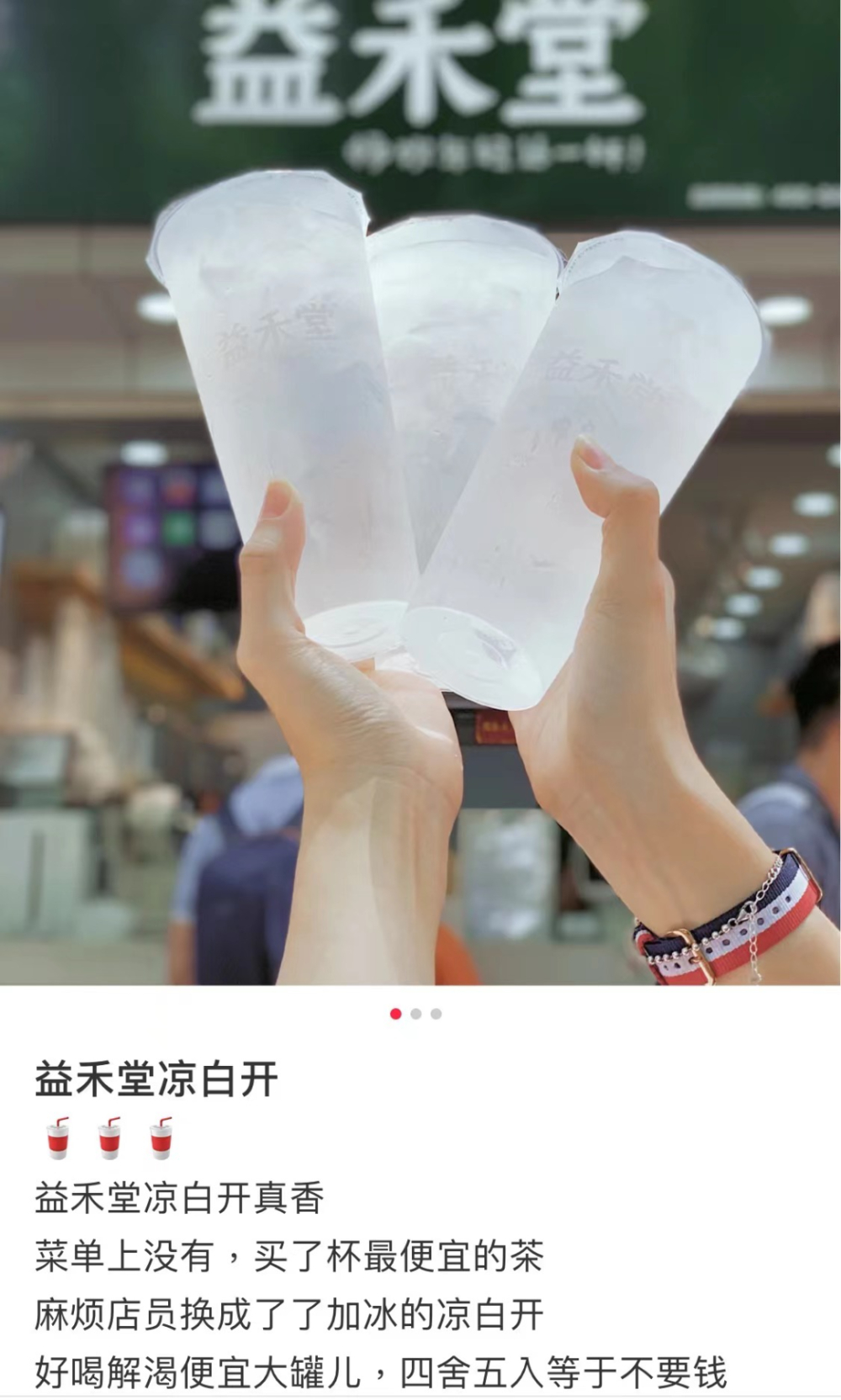 The consumer takes the cup, as if holding a magical treasure bottle, inserts a straw, and takes multiple photos under the lights, using high-exposure settings to make the water sparkle as if crystal clear under moonlight on social platforms.
Compared to the crispness of mineral water, the sweetness of spring water, the blandness of purified water, or even the mouthfeel of glacial water, "iced boiled water" doesn’t have any particularly distinctive taste. However, it comes from the hands of the "craftsmen" behind bubble tea shop hand-shaken drinks—each cup goes through the steps of manually pouring water, adding ice, and sealing, delivering not just the water itself, but also a sense of simplicity, fashion, and handmade craftsmanship.
Looking back to the beginning, ordering a "iced boiled water" used to require some effort. According to netizens’ shared experiences: "Usually you have to order the cheapest tea drink first, then ask the staff to change it to iced boiled water. It’s refreshing and quenches thirst, almost free." This "clever ordering method" gave many budget-conscious yet photo-hungry consumers a workaround.
As the trend grew, more and more brands reached an unspoken consensus—simply pricing it at one RMB (even the cost of packaging and straw alone exceeds that), not to make money, but to meet customer demand. After all, a bottled purified water from the market also costs around two RMB, and a cup of chilled iced boiled water, under the right lighting and angle, instantly becomes a high-end fashion item.
Besides "iced boiled water," the few-yuan "fat-burning water" is also favored by the younger crowd. These drinks usually contain no milk, no milk foam, no plant-based creamer, but are instead made with a simple tea base, a small amount of toppings, and three-tenths sugar—becoming a top choice for those seeking healthier eating options.
So why can a cup of filtered water become fashionable? The key lies in "affordable yet crafted." When water flows through metal pipes into a cup filled with ice, then is carefully sealed, dried, and handed over by the staff, such a service process is an experience that vending machines or homemade boiled water simply can’t provide. When water droplets condense into mist on the cup’s surface, the simple cup suddenly radiates a premium vibe. Paired with the right photo angle, even a flavorless drink can create the illusion of "drinking happiness."
Whether it tastes good may not be the point,being able to take a beautiful photo under the lights and share a moment of life on social media—that’s the real value of this "iced boiled water.".
The above content is compiled by CoffeeHunters, a coffee news website.


