







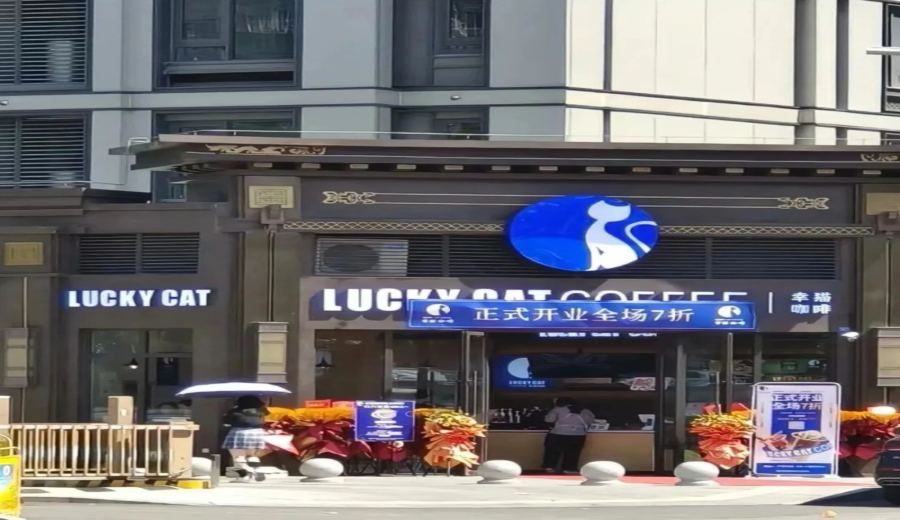
Introduction:Recently, highly similar coffee shops to Luckin Coffee—dubbed “Xingmao Coffee”—have appeared in multiple cities across China. From their blue-dominated visual identity to the staff uniforms, these copycats closely mimic Luckin’s branding, leading to frequent customer confusion. This article delves into the operational model behind this wave of “counterfeit trend,” exposes the true background of the Xingmao brand, and outlines three key indicators to check before franchising, helping potential investors avoid the business risks associated with imposter brands.
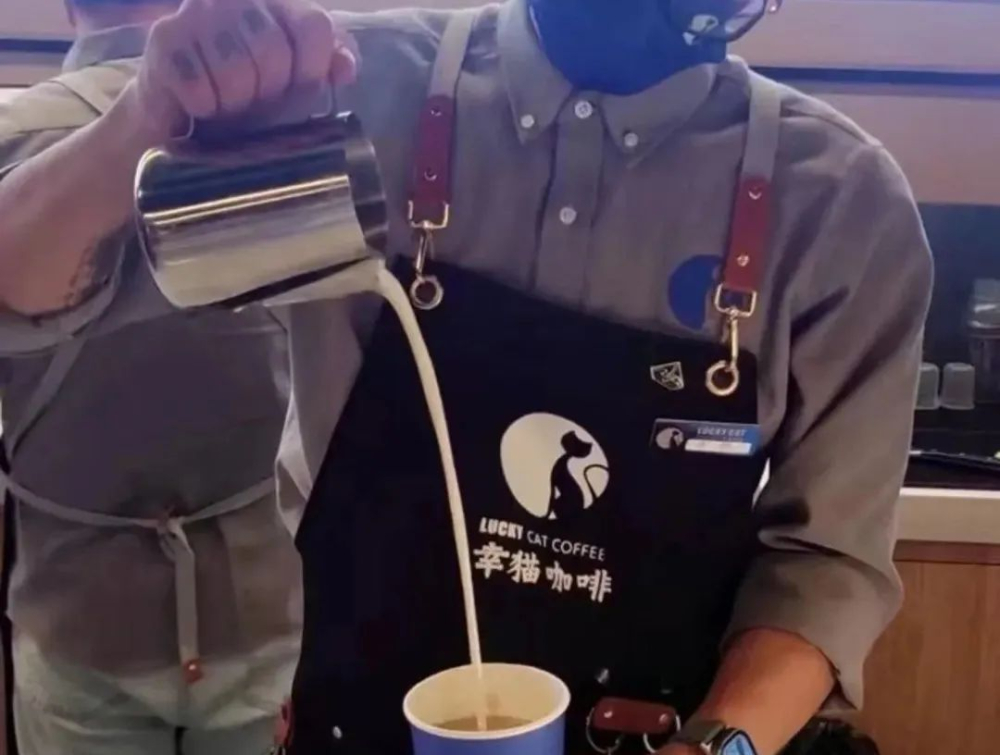
When walking into a shopping mall, if you see a blue-toned signboard with a rounded cat logo at the entrance, with minimalist industrial-style interior decor and staff uniformly wearing dark aprons—you may be standing in front of a “Xingmao Coffee (LUCKY CAT COFFEE)” outlet. This brand, which has been gradually appearing in first- and second-tier cities since April 2024, has sparked extensive comparisons and discussions on social media due to its nearly identical visual design to Luckin, including its signature blue color scheme, similar spatial layout, and even the tailored cuts of its staff uniforms.
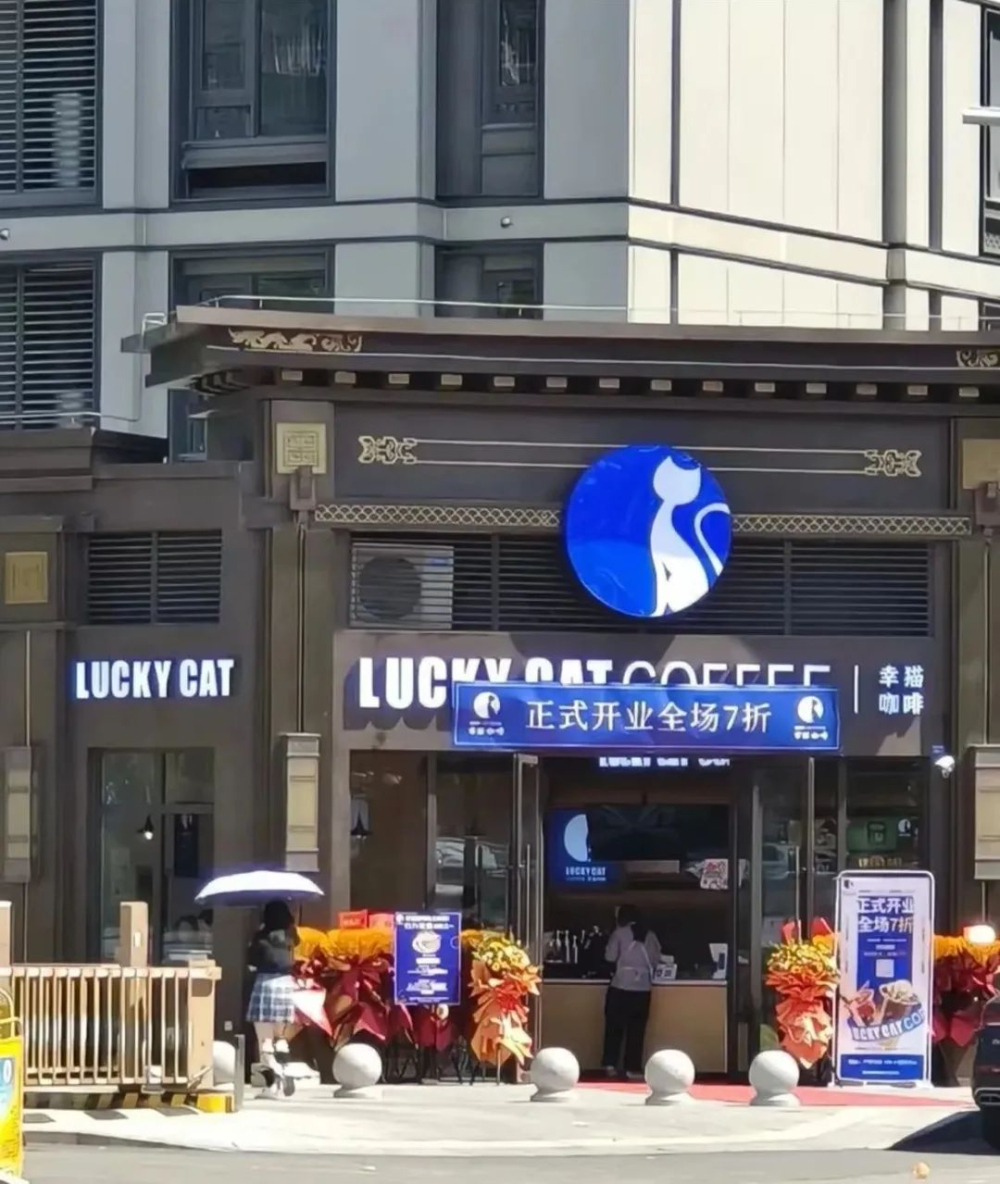
Particularly noteworthy is that some Xingmao outlets deliberately choose locations within a straight-line distance of 500 meters from Luckin stores. Netizens have confirmed instances where two brands exist on the same B1 level of a mall, separated only by differing circulation routes. This “parasitic” layout causes many hurried customers to enter the store without closely examining the sign, while the prominently displayed “20% off all items” promotion further entices trial. After actual visits, most consumers reported a quality gap compared to legitimate chains, but the initial foot traffic did benefit from the highly similar appearance.
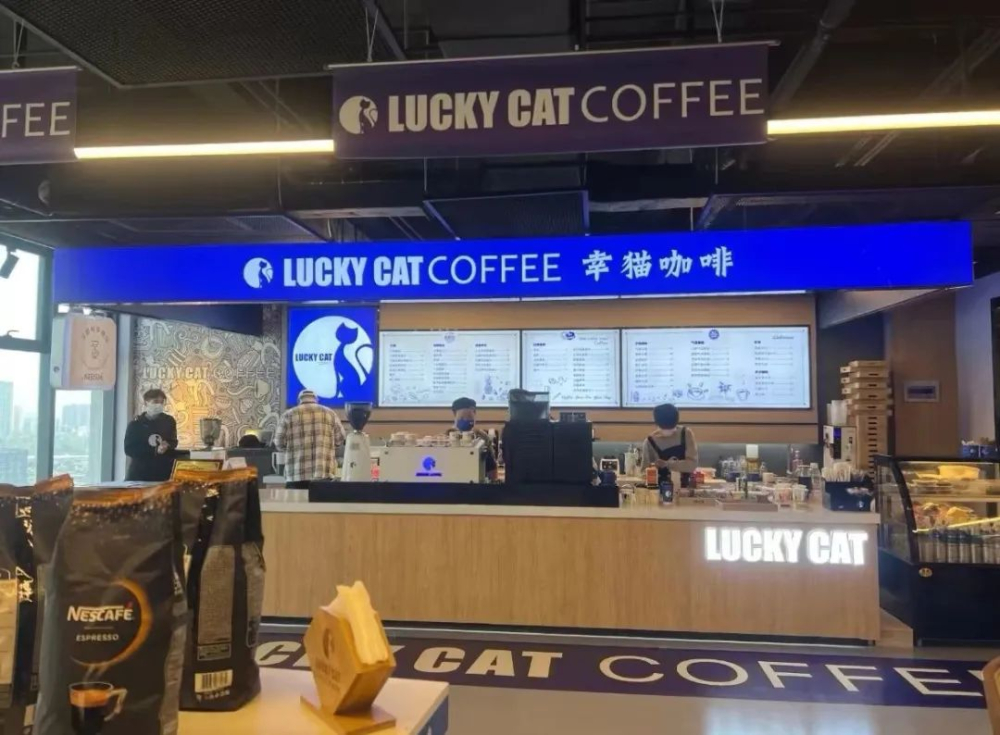
In response to external scrutiny, Luckin promptly clarified on social media platforms that there is no affiliated relationship with Xingmao, emphasizing that it has not authorized any third party to use similar trademarks. However, market chaos persists, with unverified information claiming that Xingmao has received investment from a Nasdaq-listed company, which has subsequently fueled discussions around franchising opportunities. Industry insiders warn that according to trademark lookup systems, the brand’s core design was registered just three months prior to the opening of its first outlets, and it lacks protection in key categories—legal risks that should not be overlooked.
When evaluating the feasibility of franchising, it is recommended to conduct due diligence across three dimensions: First, verify whether the brand’s parent company has a track record of operating chains for more than three years, paying special attention to publicly available data on store survival rates; second, confirm whether the supply chain for core equipment is independent—counterfeit brands often use low-quality coffee machines that lead to unstable extraction parameters; finally, visit franchise stores that have been in operation for more than six months, focusing on observing weekday off-peak period metrics such as average spending per customer and table turnover rate. Notably, contracts from legitimate coffee brands usually clearly specify regional protection radius and limitations on the proportion of raw material procurement.
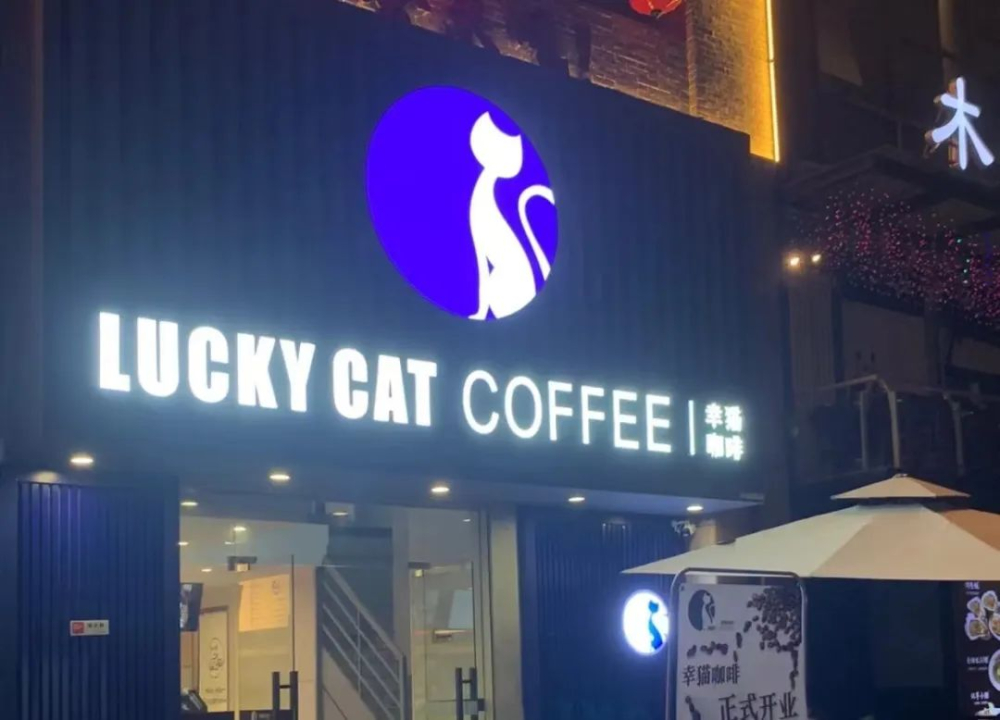
For consumers, quickly identifying genuine products can start with two details: The English signage of authentic Luckin Coffee uses specific kerning design, and its cup lid security stickers have a three-dimensional tactile feel; whereas Xingmao’s employee training manuals are often found to contain obvious plagiarism, including scripted customer service dialogues and beverage recommendation logic. Industry statistics show that among investment loss cases caused by joining counterfeit brands over the past five years, over 60% involved visually mimicking competitors. Before making any decisions, investors must verify the original trademark registration certificates and the validity of patent numbers.

The above content is compiled by CoffeeHunters, a coffee news website.


