







Introduction:Although Americano is made from espresso and hot water, whether you add water first or espresso first not only affects the appearance of the crema but may also alter subtle taste sensations. This article explores the visual and flavor differences between the two methods, analyzes their historical origins, and compares them with the Australian Long Black to help you find the brewing method that suits you best.
Americano may seem like a simple combination of espresso and hot water, but the order in which it’s prepared holds subtle secrets. Should you pour the espresso first and then add water? Or fill the cup with water first and then pour the espresso? Though this may seem like a trivial matter, it can significantly affect the appearance of the coffee’s crema and your sensory experience when drinking.
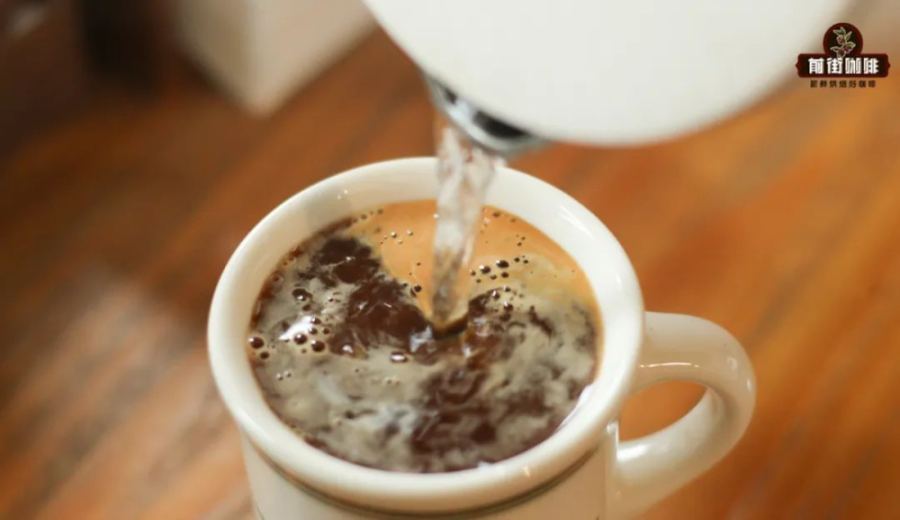
If you choose to pour the espresso first and then add hot water, the impact of the water stream can easily disrupt the crema, leaving only a pale, thin layer of foam on the surface. This not only diminishes the visual appeal but also weakens the aroma.
Conversely, if you first fill the cup with hot water and then slowly pour the espresso, the espresso will sink into the water, while the crema originally on the surface of the espresso will float to the top of the entire drink, forming a layer of golden, fine, and long-lasting foam. This creates a more visually appealing presentation.
So, does this visual difference also reflect in the taste? Generally, most drinkers find it difficult to clearly distinguish the flavor differences between the two. However, if you taste carefully, the water-first-then-espresso method, because the crema sits on top, releases aroma and mild bitterness earlier, potentially giving a more intense and concentrated first impression. That said, as the coffee liquid gradually seeps downward, the distribution of strength may not be as smooth as when properly stirred.
On the other hand, pouring the espresso first and then adding water allows the water flow to mix the flavors more evenly, resulting in a more balanced overall taste. However, in reality, this difference is actually minimal compared to the impact of slight variations in the espresso extraction time itself (such as extracting two seconds more or less).
Historically, the traditional method of making Americano was to extract a shot of espresso directly into a cup under the coffee machine, then add hot water to dilute it. This approach not only aligned with the convenience of service at the time — baristas would typically place preheated cups above the machine and add water right after extraction — but also made the whole process smoother and more efficient.
Meanwhile, the practice of adding water to the espresso afterward has gained particular popularity in Australia, where this water-added espresso is called a Long Black. Unlike Americano, the Long Black places greater emphasis on preserving the original crema and intensity of the espresso, with slightly adjusted proportions. For a deeper understanding of the differences between Americano and Long Black, it's recommended to explore their varying recipe ratios.
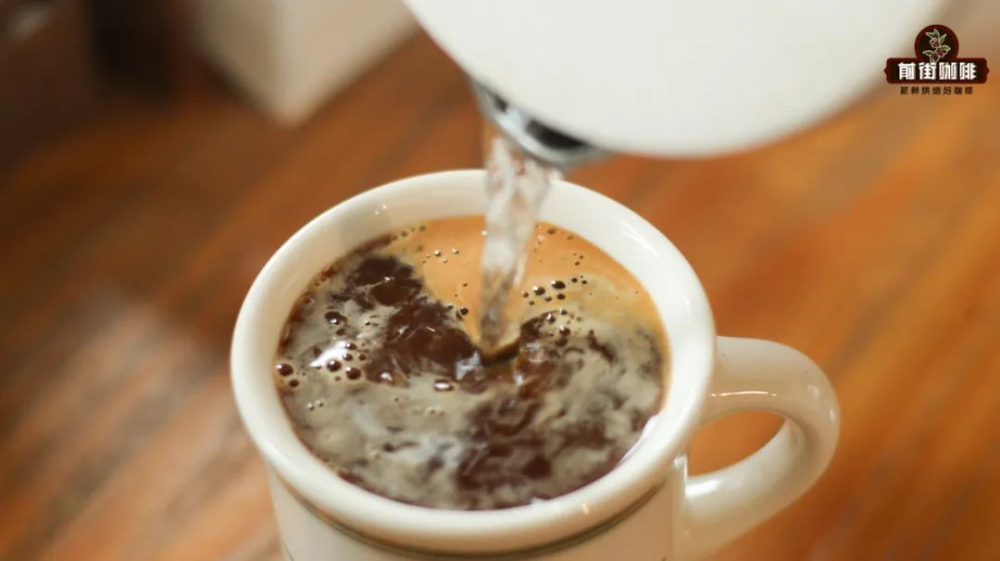
With the widespread use of modern coffee equipment, especially the introduction of small cups specifically designed to catch espresso shots, many baristas and amateur enthusiasts have become more flexible about the order in which they prepare an Americano. In practice, convenience and time-saving are usually the main considerations. That said, the water-first-then-espresso method does preserve a fuller and more attractive crema, offering significant benefits for visual presentation and first impressions. As a result, this method is becoming increasingly common.
In summary, whether you choose to add water first or espresso first, both methods are valid and reasonable, and there is no absolutely “correct” or “standard” procedure. The key lies in whether you prioritize the subtle differences in taste or the overall visual presentation. Mastering these details will allow you to brew an Americano at home or in a professional setting that better meets your expectations.
The above content is compiled by CoffeeHunters, a coffee news website.


