







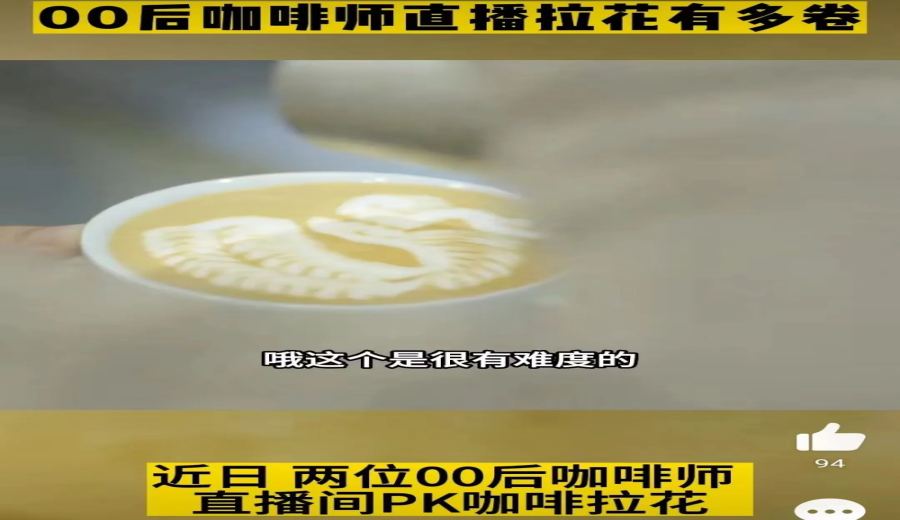
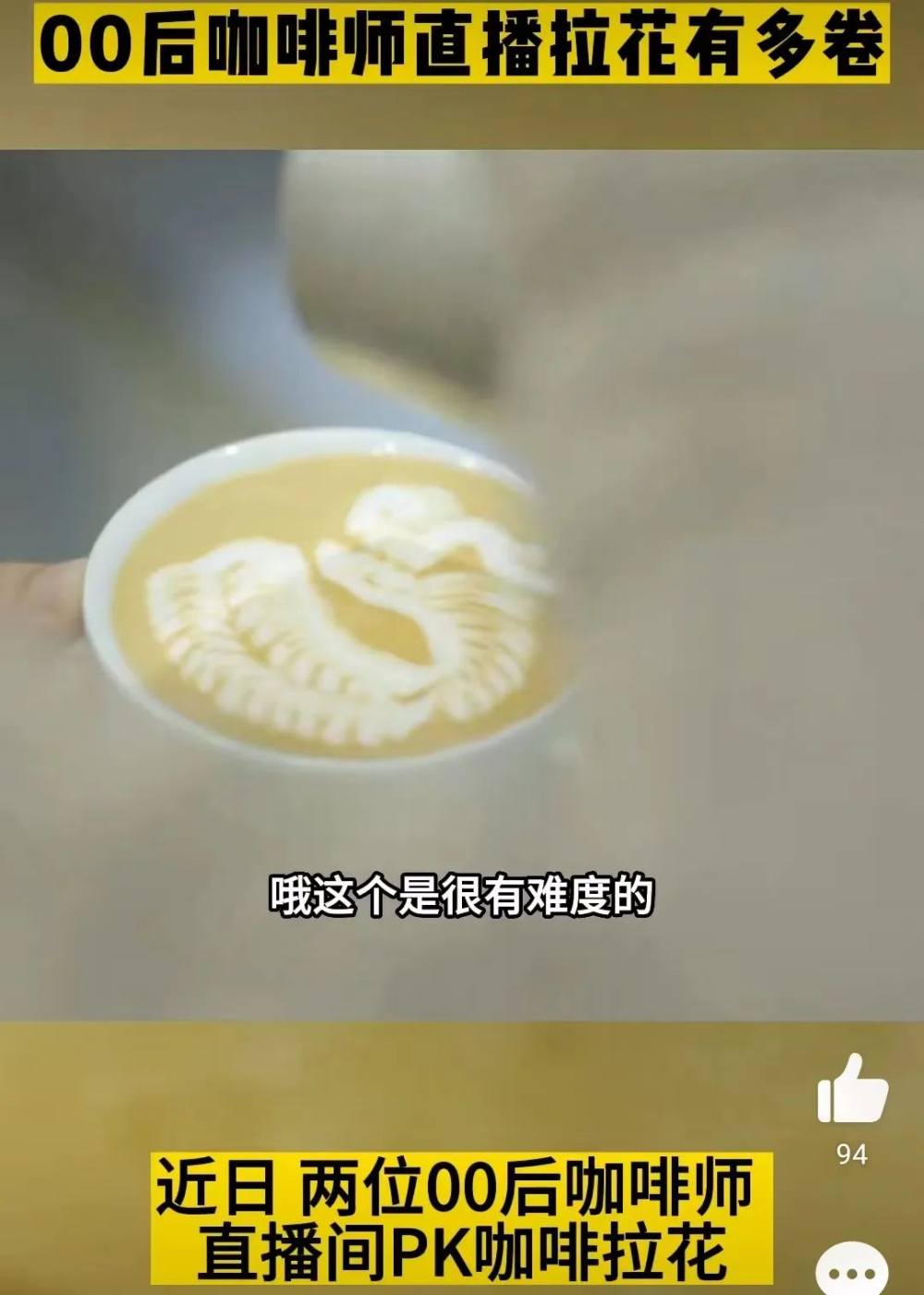
Introduction:Two seasoned post-00s baristas performed high-difficulty latte art routines live on stream — from blindfolded tulip textures to watermelon cup creations, even using milk cartons as pitchers and substituting kitchen liquids for coffee — showcasing astonishing skill and creativity. This article details the four rounds of challenges, sharing professional techniques and practical knowledge to take you deep into the extreme possibilities of modern latte art.
In a recent Taobao livestream, two post-00s baristas captured the attention of netizens with a series of latte art challenges that combined creativity and technical prowess. The broadcast not only demonstrated the diversity of latte art but also highlighted the professional skill and boundless creativity of the younger generation of baristas.
In the first round, participants were required to create an intricate "textured tulip" pattern completely blindfolded. This technique tests the barista’s precise control over hand feel, flow rate, and pouring angle. Even with impaired vision, they had to steadily produce beautiful patterns.
The second round was even more creative, as the baristas hollowed out a watermelon to use as a cup, performing latte art in a non-traditional vessel. This challenge tested not only latte art skills but also the ability to adapt to the shape and surface characteristics of the container, showcasing flexibility and quick thinking.When doing watermelon cup latte art, be mindful of liquid absorption and surface tension. It is recommended to use fresh, firm watermelon for the best results.
The third round was even more unique, as participants used ordinary milk cartons instead of professional pitchers to consecutively create three latte art pieces with a coherent storyline. Beyond technical skill, this segment emphasized creative conceptualization and storytelling ability, requiring each cup’s design to have a logical connection to the others.
The final round completely upended tradition by forbidding the use of espresso or milk, instead using common kitchen liquids such as dark soy sauce and chili oil to simulate the effect of coffee latte art. This was not only a technical challenge but also an ultimate test of the baristas’ creativity and improvisational skills.
Within this approximately ten-minute livestream, viewers not only enjoyed a variety of complex and dynamic latte art patterns, but also witnessed the baristas’ improvisation under various constraints. Although some works were not perfect due to the limitations, the overall performance was still breathtaking.
It is understood that these two baristas come from PCA Professional Coffee Skills Training Camp and S.O.E Eight Squares Coffee, with six to seven years of industry experience. They believe that age is never a measure of professional capability, and that post-00s are already capable of standing on their own in the coffee field.
One of the representatives pointed out that latte art is often an entry point that attracts newcomers to coffee. By showcasing it live, more people can understand the skill level and cultural depth of Chinese baristas. They hope to encourage more young people to join the industry and express themselves and their innovative spirit.
This extreme challenge not only thrilled netizens but also sparked enthusiastic discussion about the art of coffee latte art. Many viewers expressed that seeing such refined skills made them appreciate even more the care and creativity behind each cup of coffee.
The above content is compiled by CoffeeHunters, a coffee news website.


